
Key Takeaways
- A single translated word (e.g., monster, creature, spirit, outcast) can fundamentally change how readers perceive a fictional being and the emotional tone of a story.
- Cultural context is crucial: creatures tied to specific traditions (yokai, dragons, local undead) can be misunderstood or reshaped if translators use familiar but inaccurate equivalents.
- Word choices in translation influence narrative responsibility and sympathy (illustrated by Frankenstein): describing a being differently shifts readers' judgments about creator, society, and the created.
- Best practices for translating horror and fantasy include researching cultural background, preserving emotional tone, keeping unique names when possible, maintaining consistency, and consulting genre specialists.
- Professional localization and translation services help protect artistic intent and ensure monsters retain their intended identity and atmosphere when stories reach global audiences.
What if a single translated word could turn a mysterious spirit into a terrifying monster?
Across history, countless horror and fantasy creatures have changed dramatically as stories crossed language barriers. One word choice can influence how readers picture a creature, how filmmakers portray it, and even how entire generations remember it. From ancient folklore to bestselling novels, new york translation serviceshave played a powerful role in shaping the monsters that fill our imaginations.
The Monster May Begin in the Translator’s Word Choice
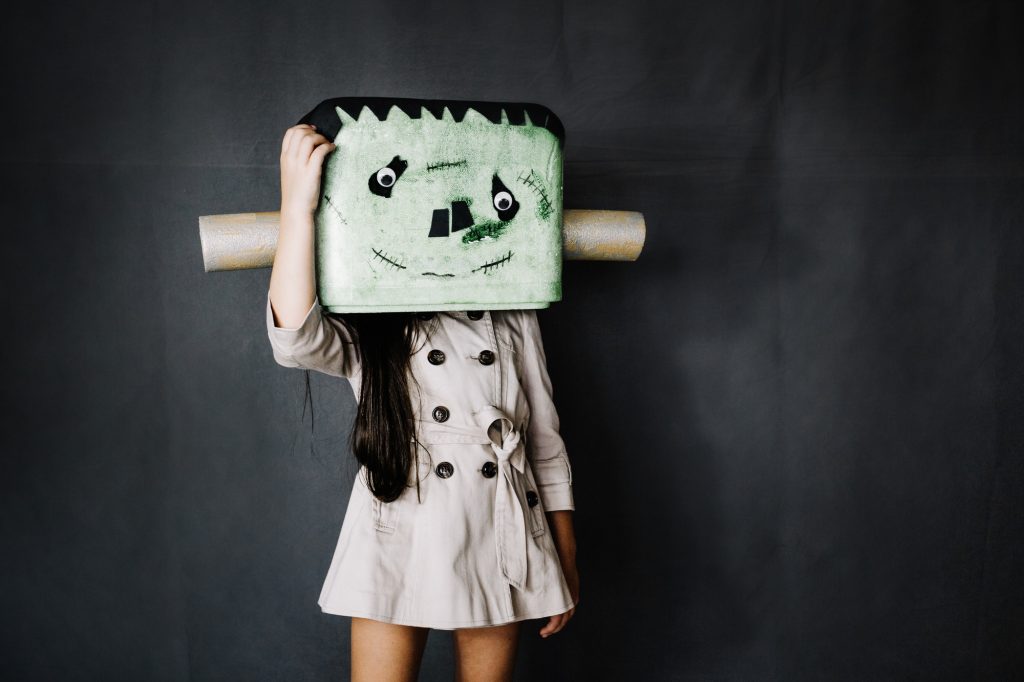
When readers meet Frankenstein’s creation, they do not see him first. They meet the words used to describe him. A translator choosing creature, monster, being, fiend, or outcast can shape the reader’s judgment before the character speaks or acts.
The word monster suggests danger and moral corruption. Creature sounds more neutral, but it can still create distance between the character and humanity. Being feels almost philosophical, while outcast directs attention toward rejection and loneliness. These are precisely the kinds of challenges that highlight words without exact translation equivalents across languages.
One word can therefore change the central question of the story. Are we reading about something evil, or someone who became violent after being abandoned?
What If the Creature Introduced Himself?
Most readers understand Frankenstein’s creation through Victor’s fear, disgust, and guilt. Yet the creature is intelligent, observant, emotional, and capable of learning. He studies language because he wants connection, not destruction.
Imagine translating the story from the creature’s point of view. He might not call himself a monster. He might choose words such as student, son, stranger, survivor, or unfinished person.
That shift would not erase his harmful actions. It would, however, change the emotional balance of the story. Readers might see responsibility shared between the creator, society, and the created life that neither fully accepts.
How a Translated Word Shapes Every Monster
Stories rarely stay within one culture. Legends travel through books, films, games, and conversations, reaching audiences who speak entirely different languages. During that journey, every translated word matters.
Many languages contain words with meanings that have no perfect equivalent elsewhere. A creature described as a “spirit” in one language may become a “ghost,” “demon,” or “monster” in another simply because those terms seem closest, which underscores the word-for-word translation limitations that professionals must navigate carefully. Each option creates a different mental picture for readers.
The result is more than a vocabulary change. It can completely alter a creature’s personality, appearance, and role within a story.
Publishers and authors understand that readers often connect emotionally with the first description they encounter. That first translated word becomes the foundation for the monster they imagine.
Why Cultural Context Changes Horror Creatures
Monsters are deeply connected to culture. They represent fears, beliefs, traditions, and historical experiences that differ from one society to another.
A creature viewed as protective in one country may appear frightening elsewhere. Likewise, a forest spirit respected in one tradition could become a dangerous beast when introduced to readers unfamiliar with its original background.
Translation therefore requires more than replacing one word with another. Every choice should preserve the intended mood while remaining understandable for the target audience.
Readers expect horror and fantasy stories to feel authentic. Making culturally accurate translation choices helps maintain that authenticity without losing the emotional impact of the original work.
Professional language specialists help creators balance cultural accuracy with readability, allowing stories to resonate naturally across different markets.
Famous Monsters That Changed Through Translation
History offers many fascinating examples of monsters whose identities shifted because of language.
The Yokai of Japan
Japanese folklore includes hundreds of supernatural beings known collectively as yokai. Depending on the translation, these beings may appear as demons, ghosts, monsters, spirits, or magical creatures.
Each label encourages readers to imagine something slightly different. Some versions emphasize fear, while others highlight mystery or humor.
Dragons Across Cultures
Western dragons often symbolize destruction, greed, and danger.
In many East Asian traditions, dragons are connected with wisdom, fortune, rainfall, and imperial power.
Choosing a single translated word without additional context may cause readers to picture an entirely different creature than the author intended.
Vampires Beyond Europe
The word “vampire” has become globally recognized, yet many cultures possess blood-drinking or undead beings that differ significantly from the familiar image popularized in literature and film.
When local names are replaced with “vampire,” unique folklore can become simplified, causing distinctive cultural details to disappear.
These examples demonstrate how one translated word can reshape centuries of storytelling.
Why Authors and Publishers Should Care About Translation Choices
Fantasy and horror rely heavily on atmosphere. Readers build vivid mental images from carefully selected words.
If one translated word shifts the meaning of a creature, the emotional experience changes as well. Suspense may become comedy, mystery may become violence, or sympathy may become fear.
Publishers expanding into international markets must consider how monster descriptions will be understood by new audiences.
Consistent terminology also becomes important across book series, graphic novels, games, audiobooks, and film adaptations. Small differences between versions can create confusion among readers and fans.
Working with professional translation services helps preserve narrative consistency while respecting cultural nuance.
Organizations such as Vanan Services Inc support publishers, authors, and entertainment companies by delivering accurate multilingual content that protects the creative vision behind every story.
The Psychology Behind the Monster We Imagine
Human imagination fills gaps automatically.
When readers encounter the word “monster,” they instantly construct an image using previous experiences, cultural influences, movies, books, and personal fears.
That means every translated word acts as a psychological trigger.
For example, describing a creature as a “beast” often suggests physical strength.
Calling the same creature a “spirit” encourages readers to expect supernatural abilities.
Describing it as a “guardian” may even create sympathy before the story begins.
These subtle differences affect emotional responses throughout the narrative.
This is especially important in horror, where uncertainty often creates greater fear than graphic descriptions. The right translated word preserves suspense while allowing readers to imagine something uniquely terrifying.
Best Practices for Translating Horror and Fantasy Creatures
Successful monster translation combines linguistic skill with cultural knowledge.
Writers, publishers, and localization teams often benefit from following several important principles.
- Research the creature’s cultural background before choosing equivalent terms.
- Preserve the emotional tone of the original story.
- Avoid replacing unique folklore names unless necessary for clarity.
- Maintain consistency throughout books, sequels, and related media.
- Consider how the target audience naturally understands supernatural terminology.
- Review translations with specialists familiar with genre fiction.
These practices help protect both artistic intent and reader engagement.
Companies such as Vanan Services Inc assist organizations in adapting creative content for global audiences, and their New York translation services ensure consistency, accuracy, and the atmosphere that makes horror and fantasy memorable.
Why Careful Translation Helps Stories Travel Across the World
Global audiences enjoy fantasy and horror more than ever before.
Streaming platforms, digital publishing, comics, tabletop games, and international book releases allow stories to reach readers almost instantly across continents.
This increased accessibility also raises expectations for quality.
Readers notice when monster names feel unnatural or inconsistent. They appreciate stories that preserve cultural richness while remaining easy to understand.
Thoughtful translation supports stronger storytelling, deeper immersion, and greater respect for the traditions that inspired each creature.
When every translated word receives careful attention, monsters retain their identity while becoming accessible to entirely new audiences.
Frequently Asked Questions
How can one translated word change a monster?
A single translated word influences how readers picture a creature. Words such as “spirit,” “ghost,” “beast,” or “demon” each create different expectations about appearance, behavior, and power. Because readers rely on language to build mental images, even a small wording change can transform the emotional impact of a horror or fantasy story.
Why is cultural knowledge important when translating fantasy creatures?
Many mythical beings come from traditions with unique beliefs, customs, and symbolism. Without understanding that cultural background, translators may select familiar words that unintentionally change the creature’s identity. Preserving cultural context helps readers appreciate the original story while keeping the creature’s distinctive characteristics intact.
Why should publishers invest in professional translation for genre fiction?
Fantasy and horror depend heavily on atmosphere, consistency, and detailed world-building. Professional translation helps maintain those elements across multiple languages, reducing confusion and preserving the author’s creative vision. Accurate multilingual content also improves reader satisfaction and strengthens international publishing opportunities.
How can Vanan Services Inc help with creative translation projects?
Vanan Services Inc provides professional language solutions for publishers, authors, entertainment companies, and businesses seeking high-quality multilingual content. By combining linguistic expertise with cultural awareness, the company helps ensure stories connect naturally with readers while preserving tone, consistency, and the original creative intent.
Conclusion
Every memorable monster begins with words.
When stories cross linguistic and cultural boundaries, even one translated word can reshape how readers imagine a creature, experience fear, and connect with a fictional world. Careful translation preserves the atmosphere, symbolism, and emotional depth that make horror and fantasy unforgettable.
If you’re preparing books,