
Key Takeaways
- Many beach accidents occur because international visitors misunderstand local warning signs; accurate multilingual translation is essential to communicate hazards effectively.
- Beach signs have only seconds to communicate: use action-first short phrases, clear hazard levels, and supporting symbols so visitors know what to do immediately.
- Specific hazards like rip currents, flag systems, marine wildlife, restricted areas, and water-quality notices are often misread and require translations that explain both the danger and the correct response.
- Best practices include plain language, internationally recognized icons, consistent terminology across all signs and materials, prioritizing languages based on visitor demographics, and regularly reviewing translations.
- Professional translators and quality assurance are critical to preserve urgency, cultural appropriateness, and clarity; better multilingual signage improves public safety and benefits tourism boards, municipalities, resorts, and parks.
Have you ever wondered how many beach accidents happen simply because visitors misunderstand a warning sign?
Millions of travelers visit beaches every year, but many cannot read the local language. Even a well-designed safety sign can fail when its message is unclear to international visitors. Accurate translation helps beaches communicate hazards effectively, and organizations providing new york translation services play a key role in improving safety while creating a better experience for guests from around the world.
A Beach Sign Has Only Seconds to Communicate
Tourists rarely stop to study a warning board. They may be carrying bags, watching children, taking photos, or walking toward the water. A long paragraph in one language can easily be skipped, even when the warning is serious.
Effective beach communication should place the action first: Stay out of the water, Swim between the flags, or Keep away from the pier. Symbols, short translated instructions, and clear hazard levels help visitors understand what to do before they enter the surf. ISO water-safety guidance recognizes that some graphical signs require supporting text to improve understanding.
Translation at a beach is not ordinary promotional writing. Every word must guide a fast and safe decision, which is why relying on professional translation services makes such a meaningful difference in coastal safety communication.
The Calmest Water May Hide the Greatest Risk
A tourist may assume that a smooth gap between breaking waves is the safest place to swim. However, that calmer-looking channel may indicate a rip current flowing away from shore. Rip currents can appear at beaches with breaking waves and may also form near piers, jetties, rocks, reefs, and gaps in sandbars.
A translated sign that merely says “dangerous current” may not give visitors enough direction. Clear wording should explain the immediate action: avoid the area, remain near lifeguards, and do not fight the current if caught. NOAA advises swimmers to relax, avoid swimming directly against a rip current, and move toward the shoreline direction or breaking waves when possible.
The best translation explains both the hidden danger and the safest response, which is why experts in accurate translation in safety contexts emphasize preserving urgency and clarity in every word choice.
Beach Safety Signs Tourists Misread Can Increase Safety Risks
Beach safety signs are designed to protect visitors from dangerous conditions. However, these signs only work when people clearly understand them. Tourists often arrive from different countries with varying levels of language proficiency, making misunderstanding warnings surprisingly common.
Simple phrases such as “Strong Current,” “Dangerous Surf,” or “No Swimming Beyond This Point” may seem obvious to local residents. For international visitors, however, unfamiliar wording or poorly translated text can create confusion. Instead of encouraging safe behavior, unclear messages may leave travelers making risky decisions.
Tourism boards and coastal authorities have invested heavily in beach infrastructure, lifeguards, and emergency services. Yet communication remains one of the most important layers of protection, and developing New York translation solutions that meet high accuracy standards ensures every visitor receives the same clear safety information regardless of their native language.
Why Accurate Translation Matters for Beach Safety Signs
Every safety sign carries a specific purpose. It tells visitors what danger exists and what action they should take. Even a small translation mistake can completely change the intended meaning.
For example, a warning about rip currents must communicate urgency without ambiguity. Literal word-for-word translations often fail because different languages express hazards differently. Professional translators understand how to preserve both the meaning and the seriousness of the original message.
Translation also helps eliminate assumptions. Visitors should never have to guess whether a warning applies to them or wonder what a symbol means. Clear multilingual signage reduces hesitation during emergencies and supports faster decision-making.
Accurate translation also demonstrates professionalism. Visitors notice when destinations invest in accessible communication, increasing confidence in local tourism services and public safety efforts.
Common Beach Safety Signs Tourists Misread
Several categories of beach signs are frequently misunderstood by international visitors.
Rip Current Warnings
Many travelers have never encountered rip currents before arriving at coastal destinations. Some languages do not even have a direct equivalent for the term. Without a carefully translated explanation, visitors may mistake a rip current for ordinary waves.
Flag Warning Systems
Beach flag colors often vary between countries. A red flag may indicate one condition in one destination and something different elsewhere. Translation should explain exactly what each flag represents instead of assuming visitors already know the system.
Marine Wildlife Alerts
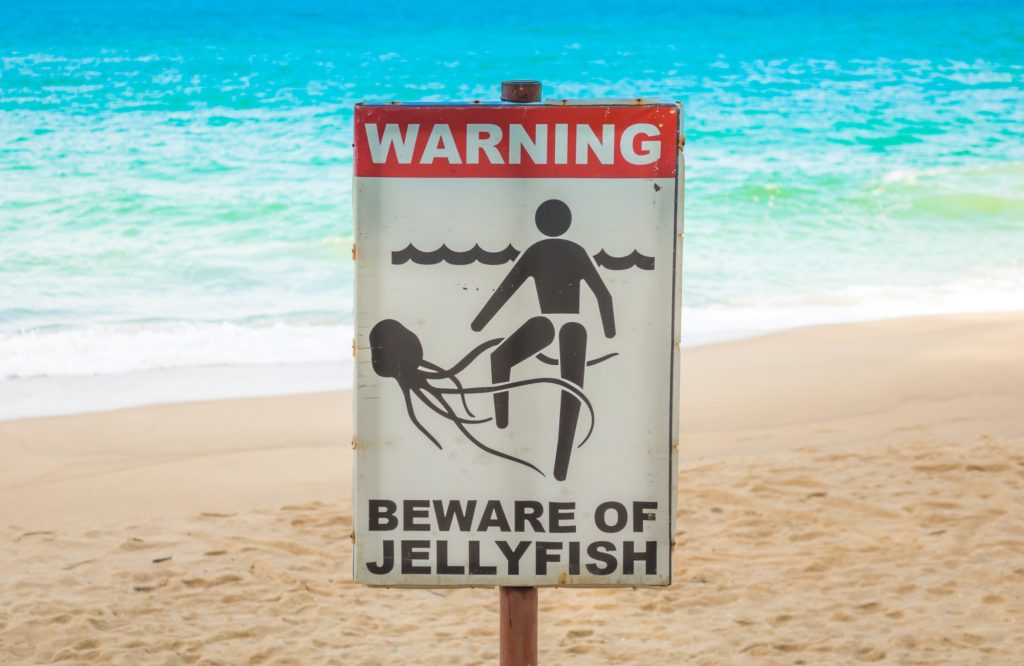
Warnings about jellyfish, sharks, sea snakes, or stingrays require precise wording. Scientific accuracy combined with simple language helps visitors understand both the risk and the recommended precautions.
Restricted Areas
Signs marking protected habitats, unstable cliffs, or hazardous rocks should clearly explain why access is prohibited. People are more likely to comply when they understand the reason behind restrictions.
Water Quality Notices
Temporary closures due to contamination, pollution, or harmful algae blooms require translations that leave no room for misunderstanding. Clear messaging protects public health while reducing confusion.
Best Practices for Multilingual Beach Safety Signage
Creating effective multilingual beach signs involves more than simply translating text. The entire communication strategy should support quick understanding.
Use plain language whenever possible. Short sentences are easier for both native speakers and international visitors to read. Complex vocabulary should be avoided unless absolutely necessary.
Pair text with internationally recognized symbols. Universal icons reinforce written instructions and improve comprehension even when visitors only recognize part of the translated content.
Maintain consistent terminology across all signs. Using multiple translations for the same hazard may confuse visitors. Standardized wording improves recognition throughout an entire beach or coastal region.
Consider the languages most commonly spoken by tourists visiting the destination. Reviewing visitor demographics helps determine which languages provide the greatest public safety benefit, and resources on translation for international outdoor safety offer useful guidance for coastal and park environments alike.
Regularly review translations as tourism trends change. New visitor markets may require additional language support to maintain effective communication.
How Tourism Boards, Resorts, and Coastal Municipalities Benefit
Improving multilingual beach signage provides benefits that extend beyond visitor safety.
Tourism boards strengthen their reputation by creating welcoming destinations that prioritize accessibility. Visitors who feel informed are more likely to enjoy positive travel experiences and recommend the destination to others.
Coastal municipalities can improve public safety while supporting compliance with accessibility and communication standards. Better understanding often leads to fewer emergency incidents caused by preventable misunderstandings.
Resorts located near beaches can complement public safety efforts by providing translated informational materials that match local signage. This creates consistency from hotel check-in through every stage of the guest experience, and strategies for multilingual communication for diverse visitors can help resorts and municipalities build more inclusive and effective outreach.
Parks departments also benefit from reduced confusion among visitors exploring coastal reserves, marine parks, and protected recreational areas. Clear communication encourages responsible behavior while protecting both people and sensitive environments.
Signage manufacturers can increase the value of their products by designing systems that accommodate multiple languages from the beginning. Flexible multilingual layouts simplify future updates and improve long-term usability.
Choosing Professional Translation for Beach Safety Communication
Safety communication deserves a higher standard than general marketing content. Every word must remain accurate, culturally appropriate, and easy to understand.
Professional translators consider regional language differences, reading level, cultural expectations, and local terminology. Their work helps ensure the translated message communicates the same safety guidance as the original version.
Quality assurance is equally important. Every translated sign should undergo careful review before installation to identify potential misunderstandings or formatting issues. Even small errors can reduce clarity during critical situations.
Organizations responsible for public safety should also maintain consistent terminology across brochures, websites, emergency information, visitor guides, and beach signage. Consistency builds familiarity and reinforces important safety messages.
For organizations seeking dependable multilingual communication, Vanan Services Inc provides professional translation services that help tourism organizations, municipalities, resorts, and parks communicate important safety information clearly across multiple languages. Thoughtfully translated content supports safer visitor experiences while reflecting a commitment to accessibility and quality.
Frequently Asked Questions
Why do tourists often misunderstand beach safety signs?
International visitors may be unfamiliar with local language, terminology, warning systems, or coastal hazards. Even symbols and flag colors can vary between countries. Professionally translated signage combined with clear visual elements helps reduce confusion and allows visitors to understand important safety instructions more quickly.
Which beach safety signs should be translated first?
Priority should be given to signs that communicate immediate hazards, including rip currents, dangerous surf, restricted swimming areas, marine wildlife warnings, emergency procedures, and water quality notices. These messages directly affect visitor safety and should be available in the primary languages spoken by international travelers.
How many languages should beach safety signs include?
The ideal number depends on visitor demographics. Tourism boards should review traveler statistics to identify the most commonly spoken languages among international guests. Many destinations begin with the local language plus several widely used international languages, then expand as tourism patterns evolve.
How can Vanan Services Inc help improve beach safety communication?
Vanan Services Inc offers professional translation services for safety signage, visitor information, public communications, and tourism materials. By delivering accurate, culturally appropriate multilingual content, organizations can improve visitor understanding, strengthen accessibility, and support safer experiences for travelers from around the world.
Conclusion
Clear communication plays a vital role in protecting visitors at beaches, parks, and coastal destinations. When tourists misunderstand safety signs, the consequences can be serious, yet many of these risks are preventable through accurate multilingual communication. Investing in professionally translated beach safety signage helps tourism boards, municipalities, res