
Key Takeaways
- Outdoor events attract increasingly multicultural audiences, creating communication challenges that can affect participation, safety, accessibility, and visitor satisfaction.
- Professional translation services (e.g., New York translation services) are essential for clear multilingual communication across event guides, signage, registration materials and emergency announcements.
- Investing in quality translation creates inclusive experiences that boost participation, strengthen community engagement, and enhance an event’s reputation and tourism appeal.
- Accurate translations support specific operational needs—safety procedures, volunteer coordination, vendor communications, registration processes and municipal outreach—reducing confusion and operational problems.
- Multilingual materials and website localization preserve cultural authenticity, improve accessibility for diverse visitors (seniors, immigrants, tourists, students), and encourage repeat attendance and positive reviews.
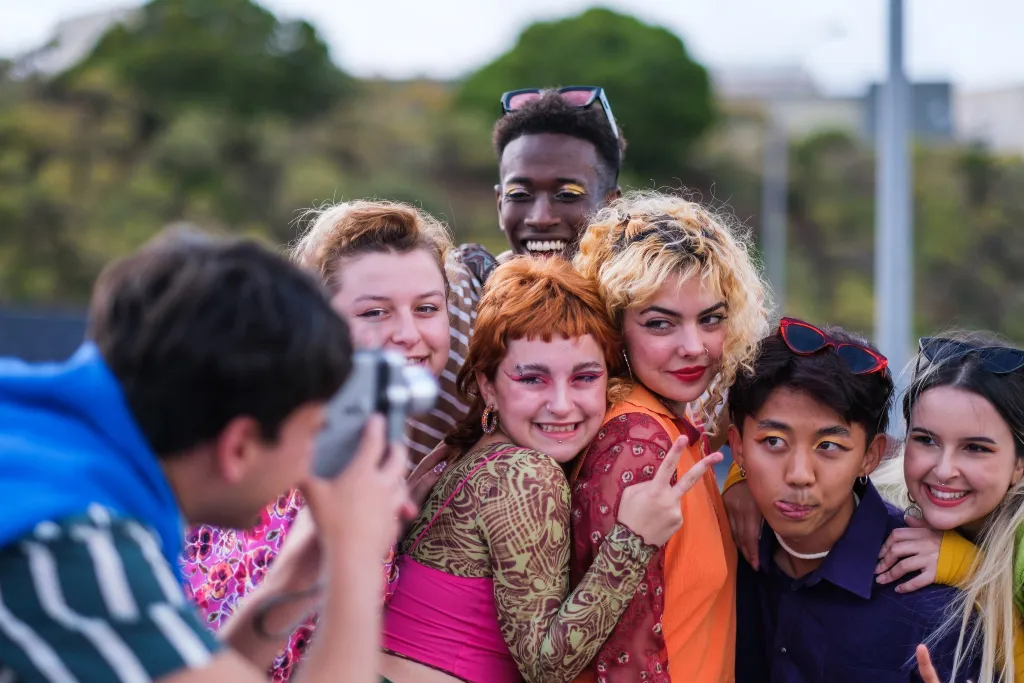
Outdoor festivals, cultural events, sports days, farmers’ markets, charity walks and public gatherings bring people together like few other events can. Cities are growing more mixed, and tourism keeps rising. So organizers now welcome guests from more languages and cultures than ever. This variety enriches every event. But it also creates language challenges that can affect who takes part, safety, access and how happy guests feel.
Translation helps outdoor events talk clearly with crowds who speak many languages. Groups that use New York translation services are better placed to serve mixed crowds. From event guides and direction signs to sign-up forms and emergency notices, translated content helps guests understand key facts and feel at ease all event long.
For cities, tourism boards and event teams, good translation is no longer just about helping visitors. It creates events that include everyone. It gets more people involved, brings communities closer and builds the event’s name around the world. Working with professional translation services in New York makes sure every message, online or in print, is accurate and fits each culture.
Turning Shared Outdoor Spaces into Welcome Zones for Every Language
National Picnic Month is more than a celebration of food, parks and outdoor fun. It reminds us that public spaces should feel welcoming to every visitor. Outdoor events often bring together families, tourists, vendors, volunteers and local groups who may not share a first language. Translation turns picnic areas, park maps, safety signs, food menus, schedules and activity guides into clear tools for everyone.
A translated picnic guide can explain allergy facts, recycling rules, emergency points, restrooms, kids’ activities and local customs in many languages. This small step can stop confusion and make guests feel respected. For organizers, content in many languages also helps crowds move smoothly, supports access and builds trust with mixed communities. During National Picnic Month, clear words for all can turn a simple outdoor event into a shared day where every guest feels seen, safe and welcome.
Why Language Accessibility Matters at Outdoor Events
Outdoor events draw people from many countries, cultures and languages. At indoor conferences, guests often share a work language. But local festivals and public events welcome families, tourists, residents, volunteers, vendors, performers and officials.
Without talk in many languages, visitors may struggle with:
- Registration instructions
- Event schedules
- Transportation details
- Safety guidelines
- Emergency procedures
- Parking information
- Vendor policies
- Accessibility services
- Steps for throwing away waste
- Public health tips
Even small mix-ups can make guests less happy and create more work for organizers.
Translation removes these barriers before they turn into problems.
Creating Inclusive Community Experiences
Inclusion means every guest has equal access to facts, whatever language they speak.
Professional translation lets organizers offer versions in many languages of:
- Event brochures
- Digital guides
- Maps
- Programs
- Visitor handbooks
- Volunteer manuals
- Rules
- Common questions
- Ticket instructions
- Public notices
When guests can easily understand event facts, they take part with more confidence and connect more with the community.
Clear words for all also show respect for different cultures. They help cities build stronger ties with residents and visitors from abroad.
Helping International Visitors Feel Welcome
Tourism plays a big part in many outdoor festivals and public events. So reaching visitors from abroad through translation now matters more for organizers who want world audiences.
Visitors from abroad often travel just to attend:
- Music festivals
- Cultural celebrations
- Food festivals
- Heritage events
- Art fairs
- Nature festivals
- Agricultural exhibitions
- Outdoor sports events
If these visitors find confusing steps or English-only material, their whole visit may suffer.
Professionally translated items let visitors:
- Find their way around
- Understand local customs
- Locate facilities
- Join in the fun
- Buy the right tickets
- Follow event rules
- Get help when they need it
Good visits bring guests back and lead to good reviews that help tourism in the future.
Improving Safety Through Accurate Communication
Outdoor events need careful safety plans.
In crowded public spaces, clear words help prevent accidents and handle surprises. That is why many organizers put translated safety notices at the heart of their event plan.
Translation supports safety messages in many languages for:
- Steps for leaving in an emergency
- Weather alerts
- Where to find medical help
- First aid facts
- Steps for lost children
- Crowd control steps
- Restricted areas
- Fire safety notices
- Security checkpoints
Accurate translations cut confusion in urgent moments and help organizers share key steps with every guest.
Supporting Municipalities in Diverse Communities
Cities today often serve residents who speak dozens of languages.
Local events run by city offices often include:
- Cultural festivals
- Public celebrations
- Holiday events
- Green awareness campaigns
- Recreation programs
- Community fairs
- Family events
- Public markets
Translation helps cities talk clearly with every part of the community.
Talking in many languages gets more residents involved by making sure they understand:
- Event details
- Public announcements
- Registration requirements
- Volunteer opportunities
- Community resources
- Accessibility options
When language is no longer a barrier, communities grow closer and more involved.
Making Event Registration Easier
Sign-up is often a guest’s first contact with an event.
Confusing forms or badly translated steps can stop people from signing up before the event even starts.
Professional translation improves:
- Online sign-up forms
- Consent documents
- Waivers
- Steps for buying tickets
- Confirmation emails
- Payment information
- Refund policies
- Participant agreements
Simple, accurate sign-up steps mean more people finish their forms and fewer people need help. Reading the New York translation service terms early also helps organizers set clear goals with their provider.
Enhancing Volunteer Coordination
Volunteers are the backbone of many local events.
Large world events often recruit volunteers who speak many languages.
Translation helps organizers prepare:
- Volunteer handbooks
- Orientation materials
- Training documents
- Shift schedules
- Emergency procedures
- Role descriptions
- Operational guidelines
Clear words help volunteers do their jobs with confidence and give guests better help.
Supporting Vendors and Local Businesses
Outdoor festivals often have hundreds of vendors who sell food, crafts, art, local goods and services.
Translation helps vendors talk with buyers from abroad through:
- Product descriptions
- Price lists
- Ingredient information
- Allergy notices
- Promotional materials
- Ordering instructions
- Payment information
- Customer help material
This helps guests buy with confidence and creates more sales for local businesses.
Improving Accessibility for Everyone
Access goes beyond ramps and seats.
Language access makes sure people who do not speak the main event language well get equal access to facts.
Translated materials support:
- Seniors
- Immigrant communities
- Refugees
- International students
- Tourists
- Exchange visitors
- Foreign workers
Along with accessible design, content in many languages makes every guest feel welcome.
Strengthening Cultural Exchange
World events offer great chances to learn about other cultures. Translating cultural festivals with care makes sure traditions are shown accurately and with respect for audiences of every background.
Translation keeps cultural content true while making it easy for many audiences to understand.
Examples include:
- Historical exhibits
- Heritage displays
- Museum collaborations
- Cultural performances
- Traditional ceremonies
- Educational workshops
- Talks on local history
Accurate translation lets visitors enjoy traditions without losing key cultural context.
Managing Multilingual Event Websites
Most guests visit an event website before they arrive.
Translation services help organizers localize website content including:
Related reading: How Translation Helps International Music Artists Shine.
Related Reading
For more on this topic, see:
Frequently Asked Questions
How does translation make outdoor events more inclusive?
Translated signs, maps, schedules, safety notices and announcements let guests who speak other languages enjoy events fully and with confidence. When people can read facts in their own language, they feel welcome, take part more and are more likely to come back. It also helps organizers reach mixed communities.
What event materials should be translated?
Start with safety facts, emergency steps, maps and directions, schedules, sign-up forms and access details. Then translate websites, social media posts, vendor facts, volunteer guides and printed programs. Choose languages based on the communities in your area and the visitors you expect. Always start with what guests need most.
Why is safety communication important at outdoor events?
Large outdoor events face risks such as extreme weather, crowded paths and medical emergencies. Guests must understand steps quickly. Translated safety signs, announcements and alerts help everyone act correctly. Prepare these items ahead of time, because there is no time to translate during an emergency.
How can municipalities serve diverse communities at public events?
Cities can translate event notices, permit facts, websites and public announcements into the main local languages. They can also work with local groups to share these facts. Offering material in many languages, plus volunteers at help desks who speak them, makes public events open to more residents.
How much does event translation cost?
Translation at Vanan Services starts at $0.10 per word, done by skilled human translators. Prices depend on the number of languages, the amount of text and the type of content. Rush delivery within 2 to 24 hours is available for last-minute event updates. Quotes are free before you order.