
Key Takeaways
- Diwali campaign translation requires cultural localization and transcreation—not just literal language translation—to preserve emotional meaning, cultural nuance, and brand voice.
- Adapt messaging for regional traditions and languages across India (e.g., Hindi, Tamil, Telugu, Bengali, Marathi, Gujarati, Kannada, Malayalam) and for diverse diaspora audiences; use audience research to guide language and tone choices.
- Handle religious symbols, deities, and festive imagery respectfully and avoid stereotypes or excessive commercialization by involving cultural reviewers and native-language specialists.
- Localize consistently across digital channels (websites, social media, email, video, e-commerce), use multilingual SEO with locally relevant keywords, and tailor content format per channel.
- Rely on professional translation services, cultural reviews, testing, and quality assurance to reduce errors, protect brand credibility, and create authentic, emotionally resonant Diwali campaigns.
What makes a Diwali campaign meaningful across different languages, countries, and cultures?
For global brands, successful Diwali campaign translation involves more than changing words or adding festive visuals. Explore our new york translation services for details.
It requires understanding the traditions, emotions, and cultural values behind the Festival of Lights while creating messages that connect with diverse audiences.
With thoughtful localization, businesses can celebrate Diwali authentically, strengthen customer relationships, and expand their reach without compromising cultural significance.
[toc]
Key Takeaways
- Diwali campaign translation requires cultural understanding, not just linguistic accuracy.
- Global brands should adapt messaging to regional traditions, languages, and consumer preferences.
- Colors, imagery, religious symbols, and festive greetings must be handled respectfully.
- Transcreation and multilingual marketing help preserve emotional meaning across different markets.
- Cultural reviews and native-language expertise reduce mistakes and strengthen brand credibility.
- Professional translation services help businesses deliver consistent, culturally appropriate Diwali campaigns.
Understanding Diwali’s Cultural Significance for Global Marketing
Why Diwali Means More Than Lights and Celebrations
Diwali, also called Deepavali, is a major festival celebrated across India and by communities worldwide.
Often associated with the triumph of light over darkness and good over evil, it represents hope, renewal, prosperity, and togetherness.
However, its religious and cultural significance differs across communities.
Many Hindus associate Diwali with Lord Rama’s return to Ayodhya or the worship of Goddess Lakshmi.
Jains commemorate Lord Mahavira’s attainment of liberation, while Sikhs celebrate Bandi Chhor Divas during the same festive period.
These distinctions matter when developing multicultural Diwali marketing campaigns.
Why Cultural Accuracy Matters to Global Brands
Diwali marketing often features glowing lamps, colorful decorations, gifts, and family celebrations.
Although these elements are familiar, relying exclusively on decorative symbols can overlook the festival’s deeper significance.
Brands should recognize the beliefs, customs, and emotional connections that make Diwali meaningful.
Respectful campaigns demonstrate cultural awareness while helping businesses establish genuine connections with multicultural audiences.
Diwali Campaign Translation: Why Language Alone Is Not Enough
Translation Versus Cultural Localization
Diwali campaign translation converts marketing messages into another language while preserving their intended meaning.
Cultural localization goes further by adapting messaging, visuals, examples, and promotional strategies to suit specific audiences.
For example, an English advertisement emphasizing festive shopping may require a different emotional approach for a Hindi-speaking audience focused on family gatherings.
Similarly, campaigns targeting Tamil-speaking consumers may reference Deepavali traditions rather than using identical messaging across India.
A direct translation might be grammatically correct yet fail to communicate the intended festive sentiment. Explore our cultural context in translation for details.
How Transcreation Preserves Emotional Connections
Transcreation combines translation with creative adaptation.
Instead of reproducing every word, it preserves the central message, emotional appeal, and brand personality.
Consider the English slogan:
“Light Up Your Celebrations With Joy.”
A culturally adapted version might emphasize togetherness, blessings, or new beginnings rather than translating each phrase literally.
The goal is to make the campaign feel natural to the intended audience.
For global businesses, Diwali marketing localization helps maintain brand consistency while respecting regional expressions.
Adapting Diwali Campaigns Across Languages and Regional Traditions
Understanding India’s Multilingual Consumer Markets
India’s linguistic diversity makes regional adaptation essential for brands seeking broader engagement.
Hindi, Tamil, Telugu, Bengali, Marathi, Gujarati, Kannada, and Malayalam audiences may respond differently to festive messages.
Even familiar greetings can require regional adjustments.
For example, “Happy Diwali” is widely recognized, while “Deepavali Nalvaazhthukkal” is a common Tamil festive greeting.
Brands should select language according to audience preferences rather than assuming one translation fits every region.
Regional Differences That Influence Diwali Advertising
| Audience or region | Cultural consideration | Marketing approach |
|---|---|---|
| North India | Family gatherings, lamps, festive shopping | Emphasize togetherness and celebration |
| Tamil Nadu | Deepavali greetings, traditional foods, clothing | Use locally familiar language and imagery |
| West Bengal | Kali Puja traditions often coincide with Diwali | Recognize relevant religious distinctions |
| Gujarat | Diwali and Gujarati New Year customs | Highlight renewal and new beginnings |
| Indian diaspora | Varied customs and multilingual identities | Balance cultural familiarity with local relevance |
These examples provide starting points rather than fixed rules.
Audience research should determine which traditions are relevant to each campaign.
Reaching Indian Diaspora Audiences Worldwide
Diwali is celebrated by communities in the United States, United Kingdom, Canada, Singapore, Australia, and other countries.
However, diaspora audiences do not necessarily share identical cultural expectations.
Some consumers prefer traditional greetings in their heritage languages, while others respond better to English-language messages with culturally familiar references.
Successful global Diwali campaigns consider language proficiency, generational differences, shopping habits, and local celebrations.
This approach helps international brands avoid treating diverse communities as a single audience. Explore our growing global translation investment for details.
Cultural Sensitivity in Diwali Advertising and Brand Messaging
Using Religious Symbols and Festive Imagery Respectfully
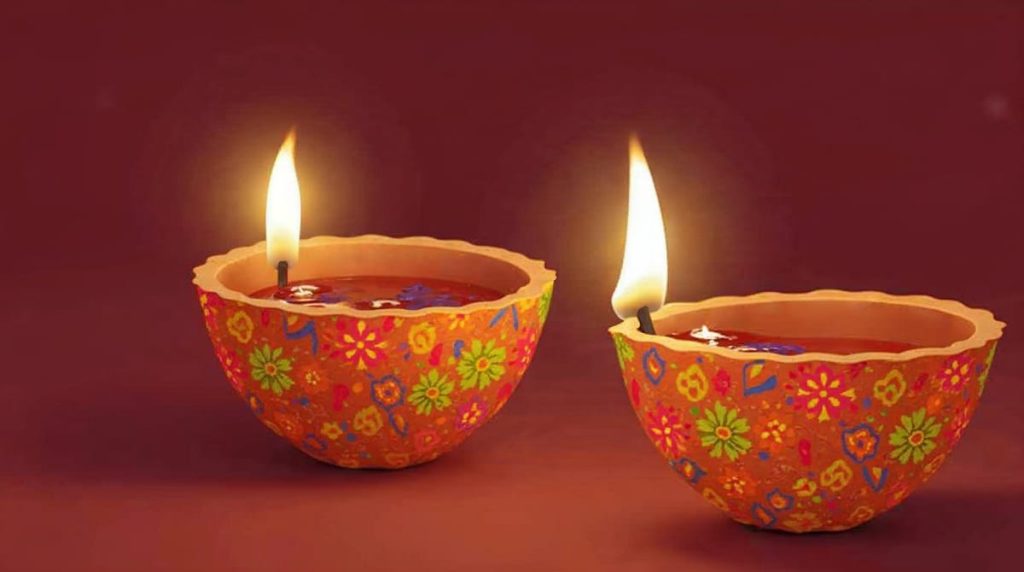
Diyas, rangoli, flowers, sweets, and decorative lights are common elements of Diwali celebrations.
However, religious images and sacred symbols require additional care.
Using deities or sacred imagery in inappropriate commercial settings can offend audiences and damage brand credibility.
Brands should evaluate how cultural elements appear on product packaging, social media graphics, advertisements, and promotional merchandise.
Local cultural reviewers can identify concerns before publication.
Avoiding Stereotypes and Excessive Commercialization
A culturally sensitive campaign should not reduce Diwali to shopping discounts or generic images of Indian families.
Consumers increasingly encounter festive advertising across digital platforms, making authentic storytelling important for differentiation.
Brands can highlight generosity, gratitude, family connections, sustainability, and community celebrations.
For example, an e-commerce business might feature meaningful gifting traditions rather than focusing exclusively on limited-time offers.
Balancing Festive Creativity With Brand Identity
Cultural adaptation does not require abandoning established brand guidelines.
Instead, businesses can incorporate Diwali themes into their existing visual identity and communication style.
A luxury brand might emphasize elegant festive gifting, while a technology company could focus on connecting families across distances.
The strongest campaigns combine recognizable branding with culturally relevant storytelling.
Building an Effective Multilingual Diwali Marketing Strategy
Start With Audience Research and Cultural Insights
Before launching a campaign, businesses should identify their intended audiences, preferred languages, and cultural expectations.
Market research can uncover regional differences in purchasing behavior, festive customs, and communication preferences.
Brands should also determine whether their audiences observe Diwali religiously, culturally, or socially.
These insights guide messaging decisions and reduce the likelihood of culturally inappropriate content.
Adapt Campaign Content Across Digital Channels
Diwali campaigns frequently appear across websites, email newsletters, social media, mobile applications, and e-commerce platforms. Explore our multilingual communication across cultures for details.
Each channel requires an appropriate localization approach.
| Marketing channel | Localization priority |
|---|---|
| Website landing pages | Headlines, product descriptions, calls to action |
| Social media | Captions, hashtags, visual context |
| Email marketing | Subject lines, greetings, promotional language |
| Video advertising | Subtitles, voiceovers, cultural references |
| E-commerce platforms | Product listings, festive offers, checkout messages |
Maintaining consistent messaging across channels strengthens recognition and improves the customer experience.
Use Multilingual SEO for Diwali Campaign Visibility
Multilingual SEO helps businesses connect with consumers searching for festive products and services in different languages.
Brands should research locally relevant keywords rather than translating English search terms word for word.
Search behavior may differ between people using “Diwali gifts,” “Deepavali offers,” and region-specific festive phrases.
Localized page titles, meta descriptions, headings, and product information can improve relevance for regional searches.
Businesses should also review translated content for readability, accuracy, and cultural appropriateness.
How Professional Diwali Translation Services Support Global Brands
Combining Language Expertise With Cultural Knowledge
Professional language specialists help brands navigate regional vocabulary, festive expressions, and culturally sensitive messaging.
For advertising agencies managing international campaigns, this expertise supports consistent communication across markets.
Vanan Services Inc offers language services that businesses can use when preparing multilingual marketing materials for diverse audiences.
Depending on campaign requirements, brands may need document translation, subtitling, transcription, or voiceover support.
Reviewing Campaigns Before Publication
Quality assurance should extend beyond grammar and spelling.
Cultural reviewers can assess whether campaign messages reflect the appropriate traditions and communicate the intended emotions.
A practical review process should examine linguistic accuracy, tone, imagery, regional relevance, and consistency with brand guidelines.
Testing localized advertisements with representatives of the intended audience can reveal unclear wording or unintended associations.
This additional review helps protect brand reputation and supports more meaningful engagement.
Frequently Asked Questions About Diwali Campaign Translation
1. Why is cultural localization important for Diwali marketing campaigns?
Cultural localization helps brands communicate Diwali’s significance in ways that resonate with specific audiences.
Because traditions, languages, and celebrations vary across communities, identical messaging may not be equally effective everywhere.
Localization adapts language, imagery, tone, and cultural references while retaining the campaign’s central purpose. Explore our professional translation and localization services for details.
It also reduces the risk of insensitive messaging and helps businesses develop stronger relationships with multicultural consumers.
2. Which languages should global brands prioritize for Diwali campaigns?
Language selection depends on audience demographics, geographical markets, and business objectives.
For Indian consumers, brands may consider Hindi, Tamil, Telugu, Bengali, Marathi, Gujarati, Kannada, and Malayalam based on regional demand.
Campaigns targeting diaspora communities may also benefit from English messaging combined with selected heritage-language expressions.
Market research, customer data, and search trends should guide decisions rather than assuming every audience requires the same languages.
3. How can brands avoid cultural mistakes in Diwali advertising?
Brands should begin by researching the festival’s religious and regional significance.
They should avoid stereotypes, inappropriate religious imagery, misleading cultural references, and messaging that treats Diwali exclusively as a shopping event.
Working with native-language specialists and cultural reviewers can identify problems before publication.
Businesses should also gather feedback from target audiences and ensure their creative teams understand the traditions represented in the campaign.
4. What is the difference between translation and transcreation in Diwali campaigns?
Translation focuses on communicating the meaning of written or spoken content in another language.
Transcreation adapts creative messaging to preserve emotional appeal, cultural relevance, and marketing effectiveness.
For example, a Diwali slogan centered on prosperity might require different wording across regional markets to sound natural.
Both approaches are valuable, but transcreation is especially useful for advertising slogans, emotional storytelling, promotional headlines, and culturally specific campaigns.
Conclusion: Make Diwali Campaign Translation Meaningful
Successful Diwali campaign translation requires more than multilingual content.
It demands cultural understanding, thoughtful creativity, regional awareness, and careful quality assurance.
By respecting the traditions behind the Festival of Lights, global brands can create campaigns that connect authentically with diverse audiences while maintaining their core identity.
Whether adapting festive advertisements, localizing e-commerce content, or preparing multilingual videos, the right language strategy makes a meaningful difference.
Partner with Vanan Services Inc to explore professional language solutions that support culturally appropriate Diwali campaigns and help your brand communicate confidently across global markets.