
Key Takeaways
- Accurate medical translation in diabetes education is critical for patient safety because misunderstandings of dosages, timing, or instructions can cause hypoglycemia, hyperglycemia, severe complications, or emergency care.
- Medication instructions require special attention to preserve numerical values, units (e.g., units vs. mL, mg/dL vs. mmol/L), and conditional wording so translated materials do not alter clinical meaning or create dosing errors.
- Professional medical translators with subject-matter expertise and a rigorous QA workflow (terminology checks, independent review, clinical verification, formatting) are needed because automated, unreviewed machine translation can introduce dangerous inaccuracies.
- Localization and cultural adaptation—such as using locally familiar food examples and culturally appropriate phrasing—improve comprehension and real-world applicability of nutrition, monitoring, and self-care guidance.
- Healthcare organizations should prioritize high-risk documents (insulin guides, medication sheets, monitoring guides, discharge instructions, emergency plans), implement translation quality controls, maintain version control, and test patient understanding through plain-language reviews and teach-back methods.
What happens when a diabetes patient misunderstands a single insulin dosage instruction? A small communication error can lead to dangerously low blood sugar, severe complications, or an emergency hospital visit.
For millions of patients managing diabetes across different languages, clear medical communication is essential. Medical translation in diabetes education helps healthcare providers explain medication dosages, blood glucose monitoring, dietary guidelines, and treatment plans accurately, allowing patients to manage their condition with greater confidence and safety. Organizations seeking localized support can explore New York medical translation service options for regional healthcare needs.
Why Medical Translation in Diabetes Education Is Critical for Patient Safety
Diabetes requires continuous attention to medication, nutrition, physical activity, and blood glucose levels. Patients must understand their healthcare instructions to make informed decisions about daily disease management.
However, language barriers can make even routine medical instructions difficult to follow.
How Language Barriers Affect Diabetes Treatment
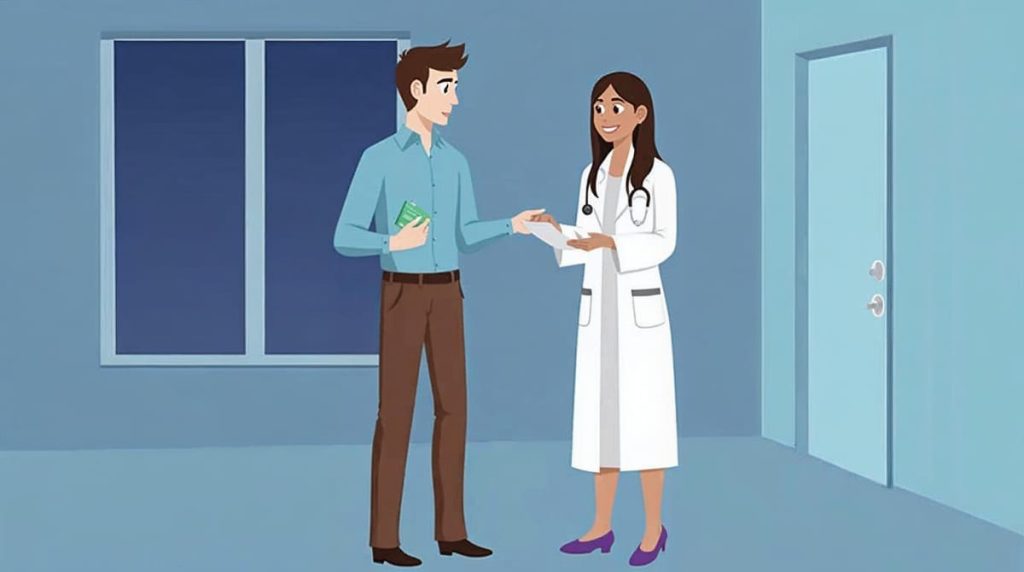
Consider a patient who receives insulin instructions in an unfamiliar language. They may misunderstand the prescribed dose, administration schedule, or relationship between insulin and meals.
Such confusion can increase the risk of hypoglycemia (low blood sugar) or hyperglycemia (high blood sugar).
Medical translation makes essential treatment information accessible in a patient’s preferred language, reducing avoidable communication gaps. Research on language access in healthcare settings shows that multilingual support directly improves patient outcomes.
The Consequences of Misunderstood Medical Instructions
Poorly understood diabetes instructions can contribute to:
- Incorrect insulin administration or medication timing.
- Missed doses or accidental medication duplication.
- Improper blood glucose monitoring.
- Confusion about dietary restrictions and carbohydrate intake.
- Delayed recognition of dangerous blood sugar symptoms.
- Reduced medication adherence and treatment effectiveness.
The
Centers for Disease Control and Prevention (CDC) provides diabetes education resources emphasizing effective disease management and preventive care.
For healthcare organizations, accurate translated information supports safer treatment decisions and strengthens patient understanding.
How Medical Translation Helps Prevent Diabetes Medication and Dosage Errors
Medication instructions are among the most sensitive materials in diabetes education. Even minor differences in wording can affect how patients understand prescriptions.
Professional medical document translation helps preserve critical information across languages while maintaining clinical accuracy.
Accurate Translation of Insulin Dosage Instructions
Insulin instructions often contain specific units, administration times, and adjustments based on blood glucose readings.
For example, instructions mentioning “units” must remain unmistakably clear in the translated material. Confusing insulin units with milliliters could create a serious medication safety risk.
Likewise, directions for taking insulin before meals must communicate the prescribed timing without ambiguity.
Qualified medical translators understand terminology, numerical formatting, and the importance of maintaining the original clinical meaning.
Translating Oral Diabetes Medication Guidelines
Patients taking medications such as metformin or other prescribed diabetes treatments need clear information about dosage schedules, administration, and precautions.
Translated medication materials should accurately communicate:
- Prescribed dosage and frequency.
- Instructions concerning meals.
- Procedures for missed doses.
- Possible adverse effects.
- Medication storage requirements.
- Situations requiring medical attention.
The
U.S. Food and Drug Administration (FDA) offers medication safety information that healthcare professionals can use when developing patient education materials.
Translation should follow approved medical guidance rather than independently modifying a clinician’s instructions.
Preserving Critical Numbers and Measurements
Blood glucose readings, insulin concentrations, and medication quantities require particular attention.
For example, some healthcare systems report glucose in mg/dL, while others use mmol/L.
These units are not interchangeable without proper conversion. A translated document must preserve the correct measurements and clinical context.
A rigorous quality assurance process can help identify numerical inconsistencies before translated materials reach patients.
The Role of Medical Translation in Diabetes Patient Education
Successful diabetes management involves more than taking medications correctly. Patients also need understandable information about nutrition, exercise, monitoring, complications, and preventive care.
Multilingual diabetes education materials help make this knowledge accessible to people from different linguistic backgrounds.
Translating Blood Glucose Monitoring Instructions
Patients using glucose meters or continuous glucose monitoring systems must understand device instructions, recommended testing procedures, and their individualized glucose targets.
Translated materials can explain how to:
- Prepare and operate monitoring devices.
- Record blood glucose readings.
- Recognize readings outside prescribed target ranges.
- Respond according to the clinician’s care plan.
- Identify circumstances requiring urgent medical assistance.
Clear instructions can reduce uncertainty and encourage consistent monitoring practices.
Making Diabetes Nutrition Education Accessible
Diet plays an important role in managing blood glucose.
Patients need understandable guidance about carbohydrates, portion sizes, meal planning, and nutrition labels.
Direct word-for-word translation may be insufficient when examples involve unfamiliar foods or culturally specific eating habits.
Effective localization can adapt food examples to the patient’s cultural context while preserving medically accurate nutritional guidance.
For instance, educational materials developed for one country may need locally familiar meal examples for audiences in another region.
Explaining Diabetes Symptoms and Emergency Warning Signs
Patients should understand potential symptoms of low or high blood sugar and know when to seek medical help.
Translated educational resources can explain warning signs such as shakiness, sweating, confusion, unusual thirst, and frequent urination.
They should also distinguish routine self-management guidance from symptoms requiring urgent medical evaluation.
Consistent terminology across handouts, medication instructions, and discharge documents helps reinforce essential safety messages. Studies on accurate multilingual communication in clinical contexts confirm that consistent terminology reduces patient misunderstanding.
Why Professional Medical Translation Matters More Than Automated Translation
Automated translation systems may help readers understand general information, but diabetes education frequently contains clinically sensitive instructions.
An inaccurate phrase or missing qualifier can change the meaning of a medical recommendation.
Risks of Unreviewed Machine-Translated Medical Content
Automated tools may struggle with abbreviations, medication terminology, conditional instructions, and context-dependent language.
For example, a sentence describing when not to administer medication must preserve its negative condition precisely.
An omitted word or unclear sentence structure could create confusion about appropriate treatment.
Therefore, patient-facing medication instructions should not rely solely on unreviewed automated output.
The Value of Subject-Matter Expertise
Professional medical translators combine language proficiency with knowledge of healthcare terminology and documentation requirements. The growing demand for professional medical translators reflects how critical linguistic accuracy has become in healthcare.
A reliable workflow may include translation, terminology checks, independent review, and formatting verification.
Vanan Services Inc supports multilingual healthcare communication through professional translation services for medical documents and educational materials.
For organizations producing diabetes resources across multiple languages, terminology consistency is especially important.
Ensuring Cultural and Linguistic Accuracy
Medical communication must account for more than vocabulary.
Cultural differences can affect how patients understand dietary advice, instructions, and healthcare terminology.
Professional localization helps healthcare organizations deliver information that is linguistically clear and appropriate for the intended audience.
It also allows educators to maintain consistent medical meaning while improving readability.
How Healthcare Organizations Can Improve Diabetes Education Through Translation
Hospitals, pharmaceutical companies, public health agencies, and patient advocacy organizations regularly distribute diabetes-related information.
Establishing a structured translation process can help these organizations maintain consistency and minimize preventable errors. Partnering with professional translation services in New York can help organizations build reliable multilingual workflows.
Identify High-Priority Diabetes Documents
Healthcare organizations should prioritize materials with the greatest potential impact on patient safety.
These commonly include:
| Medical document | Primary purpose |
|---|---|
| Insulin administration guides | Explain prescribed doses and injection procedures |
| Medication information sheets | Communicate dosage, precautions, and adverse effects |
| Blood glucose monitoring guides | Support accurate testing and recording |
| Diabetes discharge instructions | Explain post-discharge care requirements |
| Nutrition education handouts | Support dietary management |
| Emergency action plans | Explain responses to urgent symptoms |
Prioritizing these materials helps healthcare teams address critical communication needs first.
Establish Medical Translation Quality Controls
A dependable translation workflow should include several safeguards.
Organizations can create approved terminology lists, involve qualified medical linguists, and arrange independent review of safety-sensitive content.
Clinical teams should verify medication names, dosage instructions, measurements, and emergency guidance before distribution.
Document version control is equally important because outdated translated instructions may conflict with updated treatment recommendations.
Test Whether Patients Understand the Materials
Translation quality should also be assessed from the patient’s perspective.
Healthcare educators can use plain-language reviews, patient feedback, and teach-back methods to determine whether instructions are understood.
For example, asking patients to explain their medication schedule in their own words may reveal misunderstandings.
The
CDC’s health literacy resources offer guidance on making health information easier to understand and use.
Such practices support better communication across diverse patient populations.
Frequently Asked Questions About Medical Translation in Diabetes Education
1. Why is medical translation important for diabetes patients?
Medical translation helps diabetes patients understand essential information about medication dosages, glucose monitoring, nutrition, and emergency symptoms in their preferred language.
When instructions are unclear, patients may take incorrect medication amounts or misunderstand treatment schedules.
Accurately translated materials support informed decisions, encourage treatment adherence, and reduce language-related communication risks.
They also help healthcare providers deliver more consistent diabetes education across multilingual communities.
2. What diabetes-related documents require professional medical translation?
Common documents include insulin administration instructions, prescription information, blood glucose monitoring guides, dietary education materials, discharge summaries, and patient consent forms.
Pharmaceutical companies may also require translation of medication leaflets and educational brochures.
Documents involving medication quantities, administration schedules, or emergency instructions deserve particularly careful review.
Professional translation helps preserve essential medical information while making these materials easier for patients to understand.
3. Can automated translation safely handle diabetes medication instructions?
Automated translation may assist with preliminary language conversion, but unreviewed output is not a dependable substitute for professional medical translation.
Diabetes medication instructions often contain precise numbers, timing requirements, conditional statements, and specialized terminology.
Errors involving these details can create significant patient safety concerns.
Healthcare organizations should use qualified medical translators and appropriate clinical review processes before distributing translated medication instructions.
4. How can hospitals choose a reliable medical translation provider?
Hospitals should evaluate providers based on medical subject-matter expertise, language coverage, confidentiality practices, quality assurance procedures, and experience handling healthcare documents.
They should also ask how terminology consistency, numerical accuracy, and document revisions are managed.
For safety-critical materials, independent linguistic review and clinical verification are valuable safeguards.
A suitable provider should understand healthcare documentation requirements and support clear communication for diverse patient populations.
Conclusion: Make Every Diabetes Dosage Instruction Clear
In diabetes education, a misunderstood dosage can have serious consequences. Accurate medical translation helps healthcare organizations communicate treatment instructions, improve patient understanding, and support safer disease management.
From insulin administration guides to multilingual patient education resources, every detail deserves careful attention.
Vanan Services Inc helps hospitals, healthcare providers, pharmaceutical companies, and public health organizations communicate essential medical information across language barriers.
Contact Vanan Services Inc to discuss professional medical translation solutions that help make diabetes education clearer, more accessible, and safer for every patient.