
Key Takeaways
- Cultural translation preserves the spiritual, historical, and emotional meaning of Día de los Muertos beyond literal word-for-word translations.
- Certain Spanish terms (e.g., ofrenda, cempasúchil, pan de muerto, calaveras) should be retained and explained, because direct translations erase important cultural symbolism.
- Museums, educational institutions, tourism agencies, and event organizers must use culturally informed translations to avoid misrepresentation (for example, calling Día de los Muertos 'Mexican Halloween').
- Best practices include working with translators knowledgeable about Mexican traditions, consulting community representatives, and maintaining consistent terminology across materials.
- Professional translation services (such as Vanan Services Inc) and multilingual, contextualized materials make cultural heritage accessible while protecting authenticity and building trust.
How Cultural Translation Preserves Día de los Muertos Traditions
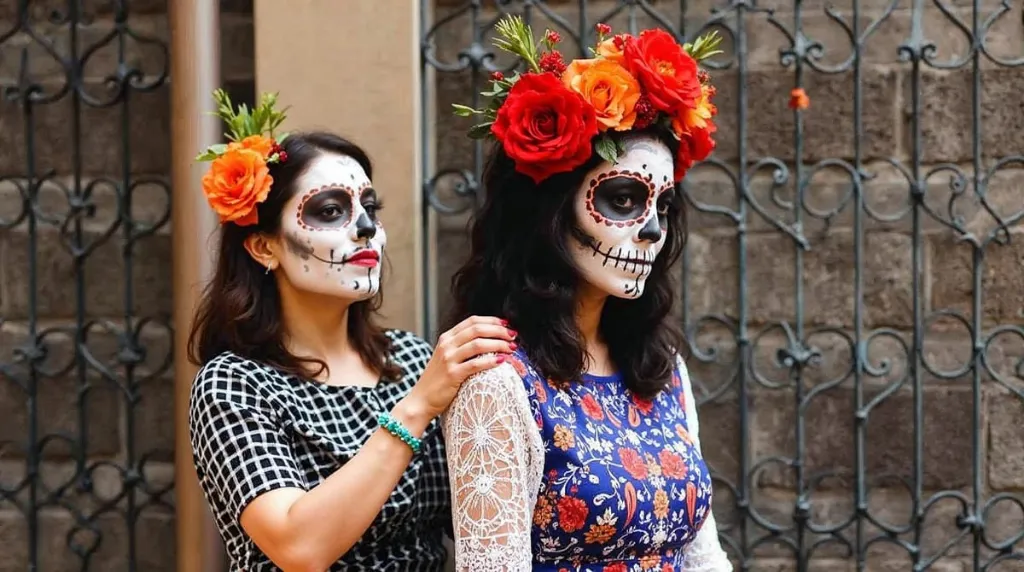
Day of the Dead is a Mexican tradition that honors loved ones who have died, with ofrendas, marigolds and family gatherings. It is not a version of Halloween. Translating it with cultural context keeps its meaning and symbols intact, so people around the world can understand and respect the celebration.
What happens when a meaningful cultural tradition crosses language barriers but loses the beliefs and emotions that define it? Explore our new york translation services for details.
Día de los Muertos, or the Day of the Dead, is much more than bright decorations, costumes and street parties. It is a Mexican tradition built on memory, family ties and respect for those who have died.
Cultural translation helps groups share these deeper meanings with people abroad. It protects the history, faith and feeling behind the tradition.
For museums, travel agencies, schools and event planners, clear cultural communication is key to sharing Day of the Dead with honesty and respect.
[toc]
Key Takeaways
- Cultural translation keeps the spiritual, historical and emotional meaning of Day of the Dead.
- Accurate translations help international audiences understand cultural symbols, rituals, and traditions.
- Museums, schools and travel groups gain from content in many languages that respects the culture.
- Word-for-word translation can cause mix-ups or weaken the meaning of old customs.
- Professional translation services help organizations communicate cultural heritage respectfully across languages.
Understanding Día de los Muertos and Its Cultural Significance
Day of the Dead takes place on November 1 and 2. Families across Mexico honor and remember relatives who have died.
The day is linked to death, but its focus is love, memory and the bond between generations.
Its customs come from Indigenous Mexican practice and Catholic influence that grew over centuries.
In 2008, UNESCO added the Indigenous festival for the dead to its list of the world’s living cultural heritage. It had first honored the festival in 2003.
When a Single Word Carries Generations of Meaning
Take the Spanish word ofrenda. In English it means “offering,” but that word barely shows how much it matters. During the holiday, families build ofrendas with photos, candles, favorite foods and personal items to welcome and remember loved ones.
In the same way, cempasúchil is the Mexican marigold. Its bright petals and strong scent are said to guide spirits home. Calling it just a “flower” would remove a key part of the tradition.
These examples show why cultural translation must look at what a word means to people, not just at the dictionary.
Can a Celebration Lose Its Identity Through Translation?
Picture a museum abroad that calls Day of the Dead “Mexican Halloween.” The comparison may seem helpful, but it gives the wrong idea.
Halloween and Day of the Dead have different roots, beliefs and customs. Day of the Dead is about memory, family and the bond between the living and the dead.
A translation that knows the culture helps people see these differences. They no longer judge a new tradition only through their own customs.
The Spiritual Meaning Behind Día de los Muertos Traditions
Many families believe their loved ones return in spirit during this time.
They make welcoming spaces with photos, candles, flowers, food and special personal items.
These practices express affection and remembrance rather than fear or sadness.
But people who do not know the tradition may mistake these customs for entertainment or a Halloween event.
Cultural translation gives the context people need to tell a time of remembrance apart from a commercial party.
Why Cultural Context Matters More Than Words
Consider the Spanish word ofrenda, commonly translated as “offering.”
That translation is correct, but it does not explain what an ofrenda means to a Mexican family.
An ofrenda is often a carefully built altar. It honors family members who have died with their photos, favorite foods and special belongings.
Sharing what it means takes more than swapping a Spanish word for an English one.
You need to explain the beliefs, family bonds and values behind the practice.
How Cultural Translation Preserves the Meaning of Día de los Muertos
Cultural translation links language with customs, beliefs, daily life and shared community memory.
Unlike word-for-word translation, it thinks about how people from other cultures will understand a new tradition.
This matters most when the topic touches on faith, shared memory and identity.
Preserving Cultural Symbols and Their Meanings
Every key Day of the Dead symbol has a meaning that visitors from abroad may not see right away.
For example, cempasúchil, the Mexican marigold, is said to guide spirits home with its bright color and strong scent.
In the same way, pan de muerto, a sweet bread, has a special place in offerings and family gatherings.
A simple translation of these words cannot show their full meaning.
Effective translation combines accurate terminology with concise explanations of the symbolism.
Avoiding Cultural Misrepresentation
Poorly translated cultural content can unintentionally reinforce stereotypes.
For example, calling Day of the Dead “Mexican Halloween” ignores its own history and spiritual purpose.
Such comparisons may seem easy for marketing, but they risk turning a meaningful tradition into a familiar sales image.
Professional translators help organizations avoid misleading descriptions while maintaining accessible language.
This balance protects the culture and still keeps learning materials easy to read.
Respecting Regional and Community Differences
Day of the Dead customs differ across Mexican regions, towns and families.
Some towns hold cemetery visits and public gatherings. Others focus on private rites at home.
Indigenous communities may also maintain distinct rituals, languages, and beliefs.
A translation that knows the culture shows these differences instead of offering one single version of the holiday.
This helps international audiences appreciate the diversity within Mexican cultural heritage.
Cultural Translation for Museums and Educational Institutions
Museums and schools play a big role in sharing Day of the Dead with people who do not know Mexican traditions.
Their responsibility extends beyond displaying objects or presenting historical information.
They must explain why each custom matters to the people who keep it alive.
Creating Accurate Multilingual Museum Exhibits
Museum shows often include wall panels, object labels, audio guides and online content.
When these materials cross language boundaries, important cultural details can disappear.
For example, calling a decorated skull a simple party decoration misses its link to memory and art.
A translation that knows the culture keeps these meanings and keeps the content easy to follow.
Vanan Services Inc helps groups with professional translation for content in many languages that respects each culture.
Supporting Cultural Education Across Languages
Schools, universities and culture programs teach students more and more about traditions from around the world.
Accurate educational translation helps learners distinguish cultural facts from common misconceptions.
Teaching materials should explain the key ideas, such as honoring ancestors, community roles and traditional offerings.
Keeping key Spanish words next to clear explanations can also deepen understanding.
For example, keeping the word calaveras and explaining its role in art and poetry gives students helpful context.
Making Cultural Heritage More Accessible
Multilingual educational resources allow broader audiences to engage with the holiday.
Translated catalogs, visitor guides, websites and lesson materials help visitors who speak other languages.
Clear language also helps students from abroad, tourists and mixed communities take part.
The goal is not only to put the details in another language.
It is to make the cultural message clear without losing what makes it special.
Why Cultural Translation Matters for Tourism and Events
Travel agencies and event planners often share Day of the Dead through festivals, shows, tours and ads.
These activities can encourage cultural exchange and support local communities.
But ads must not treat sacred or personal customs as just something pretty to look at.
Communicating Traditions Respectfully in Tourism Marketing
Travel ads often show bright altars, decorated streets, marigolds and traditional dress.
These images catch the eye, but their meaning deserves just as much attention.
For example, ads should explain why families visit cemeteries or build offerings, rather than treating these customs as odd sights.
Cultural translation helps travel teams share the meaning of the culture while creating engaging content in many languages.
This approach promotes more informed and respectful visitor experiences.
Improving Multilingual Event Communication
Day of the Dead events abroad draw people who know very different amounts about the culture.
Schedules, brochures, show notes, websites and ads should explain each activity clearly.
Consider a workshop focused on building an ofrenda.
A good description should explain why the altar exists before it describes how it looks.
This gives participants the context needed to approach the activity respectfully.
Clear translations also help planners avoid confusing words or the wrong kind of ad message.
Building Trust Through Cultural Sensitivity
Authentic cultural communication strengthens relationships between organizers, community representatives, and visitors.
When groups credit where a tradition comes from and what it means, they show respect for the community that owns it.
This matters most when businesses use cultural symbols in ads around the world.
Working with translators who understand cultural issues can protect your reputation and build trust.
It also encourages organizations to prioritize education alongside celebration.
Best Practices for Accurate Día de los Muertos Cultural Translation
Good Día de los Muertos cultural translation needs accurate language, cultural awareness and consistent wording.
Groups should make a clear plan before they translate show materials, travel ads or lesson guides.
Work With Culturally Knowledgeable Translators
Speaking Spanish and English does not on its own mean someone fully understands Mexican traditions.
Translators should also know the history, symbols and community customs of the holiday.
Cultural know-how helps experts choose words that share the meaning without adding wrong ideas.
Preserve Important Spanish Terminology
Some Spanish words carry a meaning that a direct translation cannot fully show.
Keeping words such as ofrenda, cempasúchil and calaveras helps protect the culture.
However, unfamiliar terms should be accompanied by short, accessible explanations.
This approach introduces audiences to authentic vocabulary while supporting comprehension.
| Traditional Term | English Explanation | Cultural Significance |
|---|---|---|
| Ofrenda | Memorial offering or altar | Honors deceased loved ones |
| Cempasúchil | Mexican marigold | Associated with guiding spirits |
| Pan de muerto | Traditional bread | Symbolizes remembrance and family customs |
| Calaveras | Skulls or skull imagery | Expresses artistic and cultural perspectives on death |
| Papel picado | Decorative cut-paper banners | Used in festive and commemorative displays |
Review Content With Cultural Representatives
Community consultation is an important part of culturally responsible communication.
For big shows or events, groups should involve Mexican culture experts, teachers, artists and community members.
Their feedback can reveal wrong ideas, missing context or wording that does not fit the culture.
This review makes materials in every language better and more trusted.
Maintain Consistency Across Communication Channels
Cultural terms should stay the same across websites, brochures, signs, lessons and ads.
A multilingual glossary helps organizations standardize important terms and explanations.
Professional quality checks can identify inconsistencies before publication.
Vanan Services Inc offers translation services for groups preparing materials for people from many cultures.
Frequently Asked Questions About Día de los Muertos Cultural Translation
What Is Cultural Translation in Day of the Dead?
Cultural translation means sharing the language, symbols, beliefs and customs of Day of the Dead with people from other cultures.
It goes beyond single words. It explains their social, historical and spiritual meaning.
For example, describing an ofrenda well means explaining its link to memory, not just calling it an offering.
This keeps the cultural meaning and makes old customs clear to people around the world.
Why Is Cultural Translation Important for Museums?
Museums introduce visitors to cultural traditions they may have never encountered.
Without the right explanations, visitors can misunderstand the purpose of shows, rites and symbols.
Cultural translation helps museums make accurate labels, lesson materials, online shows and visitor guides in many languages.
It also helps them keep true terms and respect community views.
These steps make visits more educational and support respectful interest in Mexican heritage.
How Can Event Organizers Respect Day of the Dead Traditions?
Event organizers should prioritize cultural education, accurate terminology, and community involvement.
Ads should explain the purpose of Day of the Dead, not just show costumes or decorations.
Planners can work with Mexican artists, teachers and community members to create respectful events.
Event details in many languages should explain each custom and avoid comparing the day to Halloween.
These steps help guests understand the meaning of the day and support true cultural exchange.
How Do Professional Translation Services Support Cultural Preservation?
Professional translation helps groups share cultural details accurately in every language.
Experienced translators consider terminology, audience expectations, historical context, and cultural sensitivities.
Translators can help with museum text, travel brochures, lesson guides, ad campaigns and online content.
Translation quality reviews further reduce the risk of cultural misunderstandings.
Backed by cultural know-how, professional translation helps groups share heritage with respect and reach more people.
Conclusion: Preserve Cultural Meaning With Professional Translation
Day of the Dead reminds us that traditions carry stories, memories and values that deserve careful words.
For museums, travel agencies, event planners, schools and marketing teams, cultural translation protects these meanings while reaching people around the world.
Clear communication in many languages keeps key cultural context, prevents mix-ups and brings communities closer together.
Partner with Vanan Services Inc to find translation solutions for your cultural shows, lesson materials, travel content and campaigns in many languages.
Help your audience understand not only how the holiday is celebrated, but also why its traditions matter.