
Key Takeaways
- Cultural translation preserves the spiritual, historical, and emotional meaning of Día de los Muertos beyond literal word-for-word translations.
- Certain Spanish terms (e.g., ofrenda, cempasúchil, pan de muerto, calaveras) should be retained and explained, because direct translations erase important cultural symbolism.
- Museums, educational institutions, tourism agencies, and event organizers must use culturally informed translations to avoid misrepresentation (for example, calling Día de los Muertos 'Mexican Halloween').
- Best practices include working with translators knowledgeable about Mexican traditions, consulting community representatives, and maintaining consistent terminology across materials.
- Professional translation services (such as Vanan Services Inc) and multilingual, contextualized materials make cultural heritage accessible while protecting authenticity and building trust.
More Than a Celebration: How Cultural Translation Preserves the Meaning Behind Día de los Muertos Traditions
What happens when a meaningful cultural tradition crosses language barriers but loses the beliefs and emotions that define it? Explore our new york translation services for details.
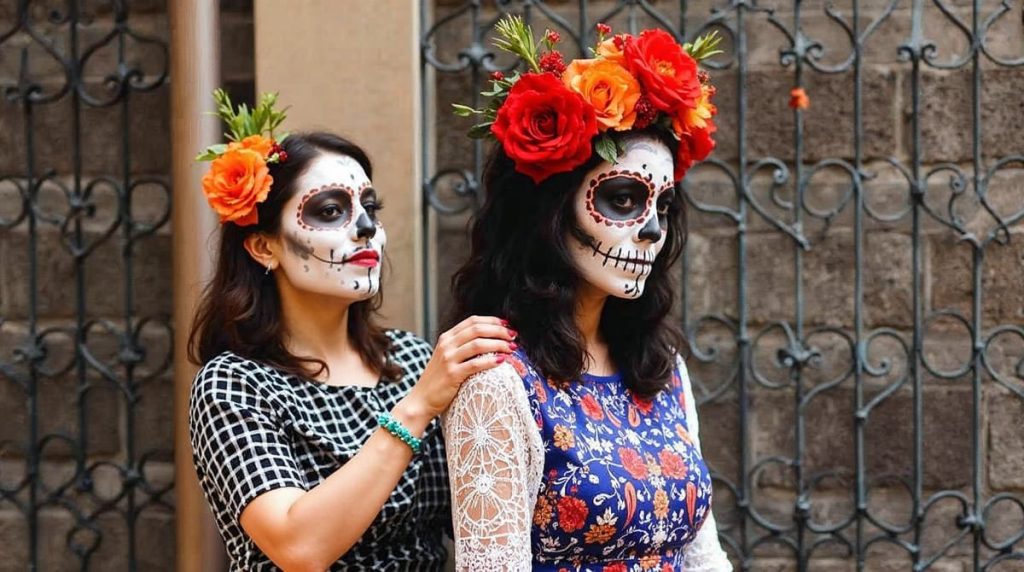
Día de los Muertos, or the Day of the Dead, is much more than colorful decorations, elaborate costumes, and public festivities. It is a Mexican tradition rooted in remembrance, family connections, and respect for those who have passed away.
Cultural translation helps organizations communicate these deeper meanings to international audiences while protecting the tradition’s historical, spiritual, and emotional significance.
For museums, tourism agencies, educational institutions, and event organizers, accurate cultural communication is essential to presenting Día de los Muertos with authenticity and respect.
[toc]
Key Takeaways
- Cultural translation preserves the spiritual, historical, and emotional significance of Día de los Muertos.
- Accurate translations help international audiences understand cultural symbols, rituals, and traditions.
- Museums, educational institutions, and tourism organizations benefit from culturally sensitive multilingual content.
- Literal translations can create misunderstandings or weaken the meaning of traditional practices.
- Professional translation services help organizations communicate cultural heritage respectfully across languages.
Understanding Día de los Muertos and Its Cultural Significance
Día de los Muertos is traditionally observed on November 1 and 2, when families across Mexico honor and remember deceased relatives.
Although associated with death, the occasion emphasizes love, remembrance, and the continuing connections between generations.
Its traditions draw from Indigenous Mexican practices and Catholic influences that developed over centuries.
In 2008, UNESCO added the Indigenous festivity dedicated to the dead to its Representative List of the Intangible Cultural Heritage of Humanity, following its earlier proclamation in 2003.
When a Single Word Carries Generations of Meaning
Consider the Spanish word ofrenda. Its direct English translation is “offering,” but that definition barely captures its cultural importance. During Día de los Muertos, families prepare ofrendas with photographs, candles, traditional foods, and personal belongings to welcome and remember deceased loved ones.
Similarly, cempasúchil refers to the Mexican marigold associated with guiding spirits through its distinctive fragrance and vibrant petals. Translating it simply as “flower” would remove an important part of the tradition’s symbolism.
These examples demonstrate why cultural translation services must consider the significance of expressions rather than focusing solely on dictionary definitions.
Can a Celebration Lose Its Identity Through Translation?
Imagine an international museum describing Día de los Muertos as “Mexican Halloween.” Although the comparison might seem familiar to foreign audiences, it creates a misleading impression.
Halloween and Día de los Muertos have different historical backgrounds, beliefs, and traditions. Día de los Muertos emphasizes remembrance, family connections, and the relationship between the living and deceased.
A culturally informed translation helps audiences recognize these distinctions instead of interpreting unfamiliar celebrations through their own cultural experiences.
The Spiritual Meaning Behind Día de los Muertos Traditions
Many families believe their departed loved ones return spiritually during this special period.
They prepare welcoming spaces filled with photographs, candles, flowers, food, and meaningful personal objects.
These practices express affection and remembrance rather than fear or sadness.
However, when presented to unfamiliar audiences, the traditions can be mistaken for entertainment or Halloween-related activities.
Cultural translation provides the context necessary to distinguish remembrance practices from commercial celebrations.
Why Cultural Context Matters More Than Words
Consider the Spanish word ofrenda, commonly translated as “offering.”
While technically accurate, this translation alone does not explain the emotional role of an ofrenda in Mexican households.
An ofrenda is often a carefully arranged altar honoring deceased family members through their photographs, favorite foods, and meaningful belongings.
Communicating its significance requires more than replacing one Spanish word with an English equivalent.
It requires explaining the beliefs, relationships, and cultural values associated with the practice. Explore our cultural context in translation for details.
How Cultural Translation Preserves the Meaning of Día de los Muertos
Cultural translation connects language with customs, beliefs, social practices, and shared community experiences.
Unlike basic word-for-word translation, it considers how audiences from different cultural backgrounds understand unfamiliar traditions.
This approach is particularly important when communicating heritage connected to spirituality, collective memory, and identity.
Preserving Cultural Symbols and Their Meanings
Every major Día de los Muertos symbol carries cultural significance that may not be immediately obvious to international visitors.
For example, cempasúchil, commonly known as the Mexican marigold, is traditionally associated with guiding departed spirits through its bright color and distinctive fragrance.
Similarly, pan de muerto, a traditional sweet bread, holds a meaningful place in seasonal offerings and family gatherings.
A simple translation of these terms cannot communicate their complete cultural significance.
Effective translation combines accurate terminology with concise explanations of the symbolism.
Avoiding Cultural Misrepresentation
Poorly translated cultural content can unintentionally reinforce stereotypes.
For instance, describing Día de los Muertos as “Mexican Halloween” overlooks its distinct historical roots and spiritual purpose.
Such comparisons may appear convenient for international marketing, but they risk reducing a meaningful tradition to familiar commercial imagery.
Professional translators help organizations avoid misleading descriptions while maintaining accessible language.
This balance protects cultural authenticity without making educational materials difficult to understand.
Respecting Regional and Community Differences
Día de los Muertos traditions vary across Mexican regions, communities, and families.
Some communities organize cemetery visits and public gatherings, while others emphasize private household ceremonies.
Indigenous communities may also maintain distinct rituals, languages, and beliefs.
A culturally informed translation acknowledges these differences rather than presenting one universal version of the celebration.
This helps international audiences appreciate the diversity within Mexican cultural heritage.
Cultural Translation for Museums and Educational Institutions
Museums and educational institutions play a significant role in introducing Día de los Muertos to audiences unfamiliar with Mexican traditions.
Their responsibility extends beyond displaying objects or presenting historical information.
They must communicate why particular practices matter to the communities that preserve them.
Creating Accurate Multilingual Museum Exhibits
Museum exhibitions frequently include informational panels, artifact descriptions, audio guides, and digital resources.
When these materials cross language boundaries, important cultural details can disappear.
For example, describing a decorated skull as a simple festive ornament may overlook its connection to remembrance and artistic traditions. Explore our cultural holidays across languages for details.
Culturally informed translation helps preserve these meanings while keeping exhibition content understandable.
Vanan Services Inc supports organizations seeking professional translation solutions for multilingual communication and culturally sensitive content.
Supporting Cultural Education Across Languages
Schools, universities, and cultural education programs increasingly introduce students to traditions from around the world.
Accurate educational translation helps learners distinguish cultural facts from common misconceptions.
Teaching materials should explain essential concepts, including ancestral remembrance, community participation, and traditional offerings.
Maintaining important Spanish terms alongside clear explanations can also strengthen cultural understanding.
For example, retaining calaveras while explaining their artistic and literary significance gives students useful cultural context.
Making Cultural Heritage More Accessible
Multilingual educational resources allow broader audiences to engage with Día de los Muertos.
Translated exhibition catalogs, visitor guides, websites, and instructional materials can support visitors with different language backgrounds.
Accessible language also improves participation among international students, tourists, and multicultural communities.
The goal is not simply to make information available in another language.
It is to make the original cultural message understandable without losing its identity.
Why Cultural Translation Matters for Tourism and Events
Tourism agencies and event organizers often introduce Día de los Muertos through festivals, exhibitions, cultural tours, and promotional campaigns.
These activities can encourage cultural exchange and support local communities.
However, promotional materials must avoid presenting sacred or personal traditions as purely visual attractions.
Communicating Traditions Respectfully in Tourism Marketing
Tourism campaigns frequently highlight colorful altars, decorated streets, marigolds, and traditional clothing.
While these visual elements attract attention, their cultural context deserves equal emphasis.
For example, promotional descriptions should explain why families visit cemeteries or prepare offerings rather than treating these practices as unusual spectacles.
Cultural translation helps tourism professionals communicate cultural significance while creating engaging multilingual content.
This approach promotes more informed and respectful visitor experiences.
Improving Multilingual Event Communication
International Día de los Muertos events often attract audiences with different levels of cultural knowledge.
Event schedules, brochures, exhibition descriptions, websites, and promotional materials should explain activities clearly.
Consider a workshop focused on building an ofrenda.
A culturally accurate description should explain the altar’s purpose before introducing its decorative elements. Explore our language access for community programs for details.
This gives participants the context needed to approach the activity respectfully.
Clear translations also help organizers avoid confusing terminology or inappropriate promotional messaging.
Building Trust Through Cultural Sensitivity
Authentic cultural communication strengthens relationships between organizers, community representatives, and visitors.
When organizations acknowledge the origins and meaning of traditions, they demonstrate respect for cultural ownership and community knowledge.
This becomes particularly important when businesses use cultural symbols in international advertising.
Working with translators who understand cultural sensitivities can reduce reputational risks and improve audience trust.
It also encourages organizations to prioritize education alongside celebration.
Best Practices for Accurate Día de los Muertos Cultural Translation
Successful Día de los Muertos cultural translation requires linguistic accuracy, cultural awareness, and consistent communication.
Organizations should develop a structured approach before translating exhibition materials, tourism campaigns, or educational resources.
Work With Culturally Knowledgeable Translators
Fluency in Spanish and English does not automatically guarantee a complete understanding of Mexican cultural traditions.
Translators should also understand the historical background, symbolism, and community practices associated with Día de los Muertos.
Cultural expertise helps professionals choose terminology that communicates meaning without introducing misleading associations.
Preserve Important Spanish Terminology
Certain Spanish words carry cultural significance that cannot be fully captured through direct translation.
Retaining terms such as ofrenda, cempasúchil, and calaveras can protect cultural identity.
However, unfamiliar terms should be accompanied by short, accessible explanations.
This approach introduces audiences to authentic vocabulary while supporting comprehension.
| Traditional Term | English Explanation | Cultural Significance |
|---|---|---|
| Ofrenda | Memorial offering or altar | Honors deceased loved ones |
| Cempasúchil | Mexican marigold | Associated with guiding spirits |
| Pan de muerto | Traditional bread | Symbolizes remembrance and family customs |
| Calaveras | Skulls or skull imagery | Expresses artistic and cultural perspectives on death |
| Papel picado | Decorative cut-paper banners | Used in festive and commemorative displays |
Review Content With Cultural Representatives
Community consultation is an important part of culturally responsible communication.
Organizations should consider involving Mexican cultural experts, educators, artists, and community representatives when developing major exhibitions or events.
Their feedback can reveal inaccurate assumptions, missing context, or culturally inappropriate wording.
This review process strengthens both the quality and credibility of multilingual materials.
Maintain Consistency Across Communication Channels
Cultural terminology should remain consistent across websites, brochures, signage, learning resources, and promotional campaigns.
A multilingual glossary helps organizations standardize important terms and explanations.
Professional quality checks can identify inconsistencies before publication.
Vanan Services Inc offers translation services that organizations can consider when preparing multilingual materials for culturally diverse audiences. Explore our professional translation services for details.
Frequently Asked Questions About Día de los Muertos Cultural Translation
What Is Cultural Translation in Día de los Muertos?
Cultural translation is the process of communicating the language, symbols, beliefs, and customs associated with Día de los Muertos to audiences from different cultural backgrounds.
It goes beyond translating individual words by explaining their social, historical, and spiritual significance.
For example, accurately describing an ofrenda requires explaining its connection to remembrance rather than simply calling it an offering.
This approach helps preserve cultural meaning while making traditional practices understandable to international audiences.
Why Is Cultural Translation Important for Museums?
Museums introduce visitors to cultural traditions they may have never encountered.
Without appropriate explanations, visitors can misunderstand the purpose of exhibits, rituals, and symbolic objects.
Cultural translation helps museums create accurate multilingual labels, educational materials, digital exhibits, and visitor guides.
It also encourages institutions to preserve authentic terminology and recognize community perspectives.
These practices improve educational value and support respectful engagement with Mexican cultural heritage.
How Can Event Organizers Respect Día de los Muertos Traditions?
Event organizers should prioritize cultural education, accurate terminology, and community involvement.
Promotional materials should explain the purpose of Día de los Muertos rather than focusing exclusively on costumes or decorations.
Organizers can collaborate with Mexican artists, educators, and cultural representatives to develop respectful programming.
Multilingual event information should explain traditional activities and avoid misleading comparisons with Halloween.
These measures help participants appreciate the celebration’s meaning while supporting authentic cultural exchange.
How Do Professional Translation Services Support Cultural Preservation?
Professional translation services help organizations communicate cultural information accurately across different languages.
Experienced translators consider terminology, audience expectations, historical context, and cultural sensitivities.
They can assist with museum descriptions, tourism brochures, educational resources, marketing campaigns, and digital content.
Translation quality reviews further reduce the risk of cultural misunderstandings.
When supported by relevant cultural expertise, professional translation helps institutions communicate heritage respectfully while making information accessible to wider audiences.
Conclusion: Preserve Cultural Meaning With Professional Translation
Día de los Muertos reminds us that cultural traditions carry stories, memories, and values that deserve careful communication.
For museums, tourism agencies, event organizers, educational institutions, and multicultural marketing teams, cultural translation helps protect these meanings while reaching international audiences.
Accurate multilingual communication can preserve essential cultural context, prevent misunderstandings, and build stronger connections between communities.
Partner with Vanan Services Inc to explore professional translation solutions for your cultural exhibitions, educational resources, tourism materials, and multilingual campaigns.
Help your audiences understand not only how Día de los Muertos is celebrated, but also why its traditions matter.