
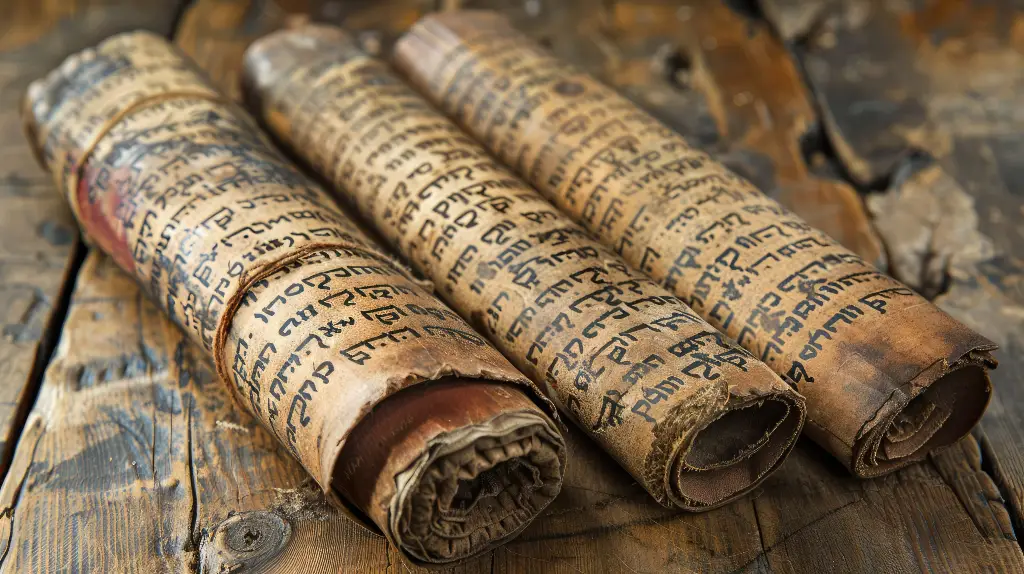

Key Takeaways
- Translating historical documents is essential for expanding accessibility, allowing global audiences to access primary sources without language barriers.
- Translation plays a crucial role in preserving cultural heritage by ensuring knowledge is maintained even as original languages fade.
- Translators of historical documents require specialized skills, including linguistic expertise, subject-matter knowledge, and research skills to handle complex texts.
- Different translation methodologies, such as literal and interpretive translation, are utilized based on the intended audience and purpose of the historical document.
- Ethical considerations in translation include balancing accuracy with readability, respecting cultural context, and preserving the integrity of historical facts.
Historical documents are more than records of the past. They are the voices of past peoples, proof of how cultures changed and the base of shared identity. Old manuscripts, colonial records, personal letters and archives all hold rich insight into human history. But their true value comes out only when people can read them in many languages.
Translating historical documents is not simply a linguistic task—it is an act of preservation, interpretation, and cultural responsibility. For historians, researchers, cultural groups and museums, accurate translation lets knowledge cross language lines and keep teaching future generations.
The Importance of Translating Historical Documents
Historical documents are often written in old, extinct or local languages that few people understand today. Without translation, the world cannot use them.
1. Expanding Accessibility
Translation lets scholars, researchers and groups worldwide read primary sources without language barriers. This matters most in joint research, where many viewpoints improve understanding. Professional translation services can close these language gaps.
2. Preserving Cultural Heritage
Languages change, and some disappear. Translating old texts keeps their knowledge alive even if the original language fades.
3. Supporting Academic Research
Researchers rely on translated materials to build accurate accounts. Whether the topic is trade routes, politics or social life, translation is vital to their work.
4. Enhancing Public Engagement
Museums and cultural centers often show translated versions of old documents to engage visitors. This helps people connect with history in a clear and meaningful way.
Challenges in Translating Historical Documents
Unlike modern projects, historical translation has unique challenges that need special skills.
1. Archaic Language and Obsolete Terms
Old texts often use outdated words, idioms and grammar. Translators must work out meanings that may no longer exist in today’s language.
2. Handwritten Manuscripts
Many old documents are handwritten, sometimes in scripts that are hard to read. Reading them takes skill with old handwriting as well as language knowledge. Fragile papers may also need to be typed up so a clean record is kept.
3. Cultural Context and Nuances
Words and phrases often carry cultural meaning that a literal translation cannot capture. Knowing the history and culture is key to keeping the intended meaning.
4. Incomplete or Damaged Documents
Old documents may be damaged, faded or missing parts. Translators must rebuild the meaning with care and without adding errors.
5. Multiple Interpretations
Old texts can be unclear. One phrase may have several meanings depending on context. This calls for careful study and sometimes help from subject experts.
The Role of Expert Translators
Because of these challenges, translating old documents takes more than general language skill. It takes a mix of skills and expertise.
Linguistic Expertise
Translators must be fluent in both languages, including older forms of those languages.
Subject-Matter Knowledge
Knowing the time period, culture and subject is key to accuracy. This is much like the care needed to translate religious texts.
Research Skills
Translators often check dictionaries, archives and scholarly works to confirm meanings.
Attention to Detail
Even small errors can change the meaning of an old document. Precision is critical.
Translation Methodologies for Historical Texts
The approach depends on the purpose of the translation and the type of document.
1. Literal Translation
This approach keeps the original structure and wording as closely as possible. It is often used for academic research.
2. Interpretive Translation
Here, the translator puts meaning ahead of exact wording. This works well for general readers or museum displays.
3. Annotated Translation
Notes add context, explanations and clarity. This method is very useful for complex or culturally rich texts.
4. Diplomatic Transcription
This means copying the original text as exactly as possible, including spelling and layout, before translating it.
The Role of Technology in Historical Translation
Technology has greatly helped historical translation, but it cannot replace human skill.
Optical Character Recognition (OCR)
OCR tools can turn printed old texts into digital files, so they are easier to study and translate.
Digital Archives
Online archives give access to huge collections of old documents, which helps research and teamwork.
Translation Tools
Machine translation can help with first drafts, but human translators are essential for accuracy, especially with complex old content.
Preservation Technologies
Digital copies protect fragile documents and let translators work from clear images.
Best Practices for Translating Historical Documents
For historians, researchers and institutions, following best practices leads to high-quality translations.
1. Collaborate with Experts
Working with historians, linguists and subject experts helps keep the work accurate and authentic.
2. Maintain Transparency
Clearly mark where you made guesses or assumptions, especially in incomplete texts.
3. Use Annotations
Explain cultural references, old terms and unclear phrases.
4. Preserve Original Meaning
Do not modernize the text so much that it loses its historical feel. The focus should stay on keeping the meaning across languages while protecting the document’s history.
5. Document the Process
Keep records of translation choices, sources and methods for future use.
Applications Across Institutions
Museums
Museums rely on translated documents to build engaging exhibits. Accurate translations help visitors see why artifacts matter.
Archives and Libraries
Translation opens archives to more people and supports research and learning.
Academic Institutions
Universities and research centers depend on translated texts for teaching and research.
Cultural Organizations
Heritage groups use translation to build cultural understanding and global awareness.
Ethical Considerations in Historical Translation
Translating old documents is not just a technical task. It also carries ethical duties.
Accuracy vs. Interpretation
Balancing faithfulness to the original with ease of reading is a key ethical challenge.
Cultural Sensitivity
Translators must respect the cultural context and avoid adding modern bias.
Attribution
Original authors and sources should get proper credit.
Preservation of Integrity
Translations should never change or twist historical facts.
Case Studies: The Impact of Translation
Ancient Manuscripts
Translations of ancient texts, such as religious and philosophical works, have shaped knowledge and beliefs around the world.
Colonial Records
Translating colonial documents gives insight into past rule, trade and contact between cultures.
Personal Letters and Diaries
These documents give personal views of past events and deepen our grasp of history.
The Future of Historical Document Translation
As the world grows more connected, demand for translated historical documents keeps rising. New tools and teamwork across fields are shaping the future of this work.
Increased Digitization
More old documents are being digitized, so translators everywhere can reach them.
AI-Assisted Translation
AI can support translation, but human skill is still vital.
Collaborative Platforms
Researchers and translators can work together across borders, which improves accuracy and speed.
Greater Public Access
Translation is making history easier for the public to reach, which builds respect for cultural heritage.
Conclusion
Translating old documents is a vital link between the past and the present. It helps historians, researchers and cultural groups keep knowledge alive, share insights and build global understanding.
By combining linguistic expertise, cultural awareness, and advanced technology, translation ensures that the voices of history continue to be heard across languages and generations.
For historians and institutions, good translation is not just about access. It protects legacy, enriches research and connects the world through shared history. For this important work, think about working with professional translation services for the highest standards of accuracy and cultural care.
Frequently Asked Questions
Why translate historical documents?
Historical documents hold proof about past societies, events and people. But many are written in languages or scripts that researchers, descendants and the public cannot read. Translation opens them up for research, teaching, exhibits and family history. It keeps their value for future generations.
What challenges come with translating historical documents?
Challenges include damaged or faded pages, old handwriting and scripts, outdated spelling and words, short forms and references to places, units or customs that no longer exist. Translators research the context with care and note unclear readings instead of guessing. Patience and research are essential.
What makes a good historical document translator?
A good historical translator knows the source language as it was used at the time and understands the history and culture. They work carefully with hard-to-read handwriting and explain their choices in notes. Knowledge of history, law or religion can also matter, depending on the document.
How should archives and libraries prepare documents for translation?
Make high-quality scans of every page, including margins and backs. Note known details such as dates, authors and places. Share background on the collection and its purpose. Clear images and context help translators produce accurate, well-documented translations. Keep the originals safe and send copies only.
How much does historical document translation cost?
Translation at Vanan Services starts at $0.10 per word, done by skilled human translators. Handwritten or very old documents may take longer. Certified translation costs $25 per page when records are needed for official use. Institutions can ask for a free quote.