
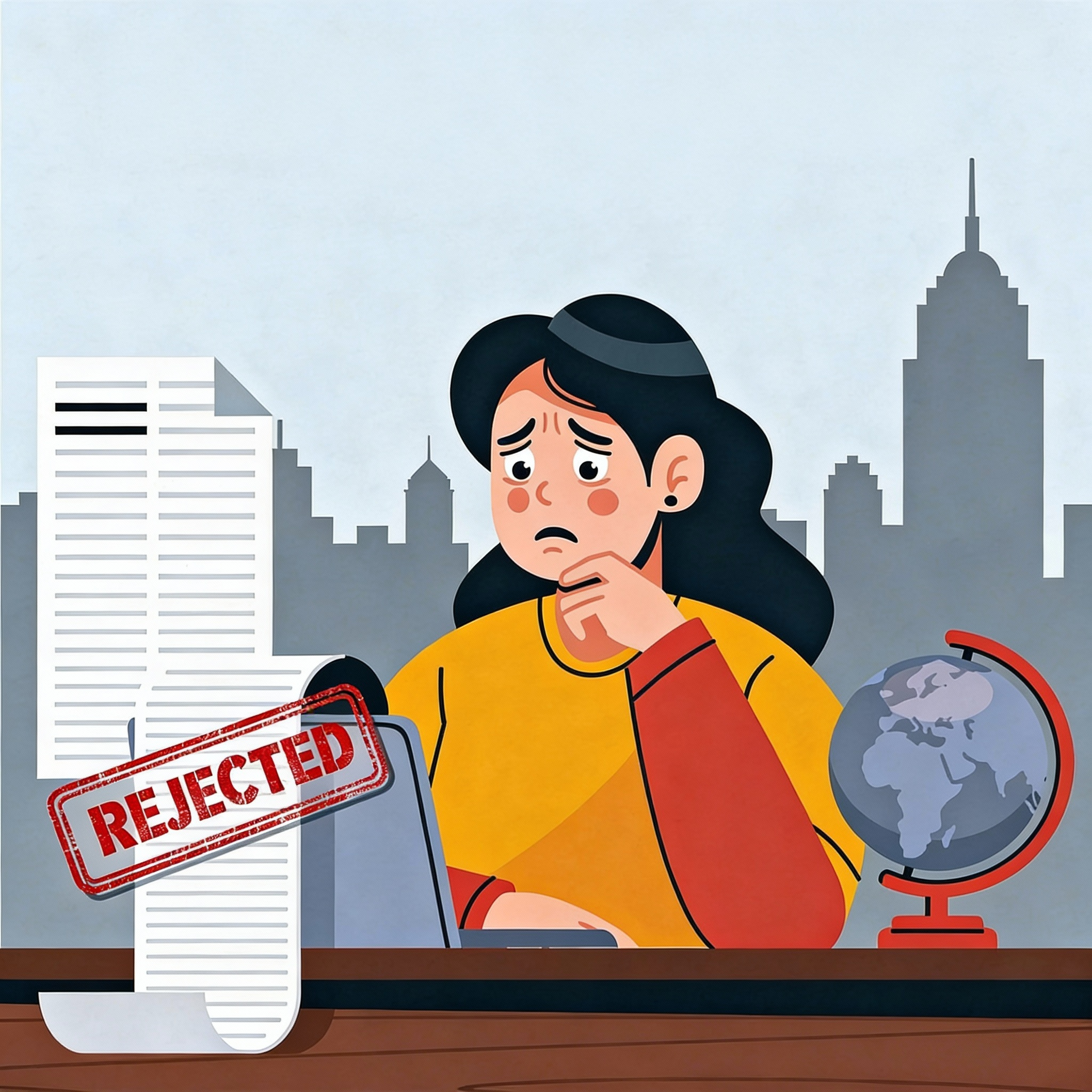

New York, with its diverse population and vibrant immigrant communities, stands as a hub for people from all over the world. Whether you’re an immigrant navigating legal processes, a business expanding internationally, or a legal professional assisting clients, understanding the requirements for document translation is crucial. This guide will provide essential insights into what happens if your translated documents aren’t accepted in New York, offering peace of mind and actionable advice to avoid unnecessary delays.
“Hidden Consequences” People Don’t Consider
You already probably mention delay, rejection, etc.—go further and add less obvious consequences:
1. Financial Ripple Effects
- Extra translation fees for rush re-translations
- Paying new application fees if deadlines are missed
- Higher legal costs if court dates must be reschedule
2. Emotional & Practical Stress
- Anxiety about immigration status or court cases
- Lost time off from work for repeated appointments
- Embarrassment when documents are rejected in front of officials
3.Digital Footprint Issues
- Sending the wrong or incomplete translation to multiple institutions
- Having to send follow-up “correction emails” to schools, employers, or agencies in New York
- Confusion caused by different versions of the same document floating around
The Importance of Document Translation in New York
New York is a state where multiple languages and cultures intersect, making it a crucial location for individuals, businesses, and legal professionals who need translated documents for a variety of reasons. From immigration applications and business contracts to legal proceedings and academic records, translation accuracy is vital. Failure to meet the accepted standards for document translation can lead to major setbacks, including delays, rejections, or even the denial of services or legal status.
For immigrants, translated documents may be needed for visa applications, naturalization, family reunification, or work permits. Businesses expanding their operations in New York may require translations for contracts, patents, trademarks, or marketing materials. Legal professionals often need translations for court documents, affidavits, or case files. Without proper translation services, these documents risk being rejected, creating frustrating and costly complications.
What Happens When Your Translated Documents Aren’t Accepted?
If your translated documents are not accepted in New York, the consequences can be significant. Whether you’re filing immigration paperwork, submitting business documents, or dealing with court procedures, rejected translations can lead to delays, rejections, and even missed opportunities. Below, we outline some common scenarios in which translated documents may not be accepted and what follows:
1. Rejection by Immigration Authorities
Immigration processes in New York, especially those related to U.S. Citizenship and Immigration Services (USCIS), require that documents in a foreign language be accompanied by certified translations. If the translation is not accurate, not certified, or fails to meet specific formatting standards, USCIS may reject your application or request additional information. This can lead to:
- Delays in Processing: Your application may be placed on hold until the required corrections are made.
- Denial of Benefits: In some cases, your application might be denied entirely if the documents are deemed insufficient or inaccurate.
- Increased Costs: You will need to pay for a new translation, potentially causing delays in obtaining critical approvals such as work permits, green cards, or citizenship.
2. Disputes in Legal Cases
In the legal world, precise translation is essential. Inaccurate or incomplete translations of contracts, legal agreements, or court documents could lead to serious disputes, misinterpretations, or even legal penalties. New York courts, for example, may require certified translations for documents like birth certificates, marriage certificates, and affidavits. If these documents are not correctly translated or do not adhere to the required standards, the consequences can include:
- Rejection of Evidence: If documents presented in court are not correctly translated, they may be excluded as evidence, hindering your case.
- Delays in Legal Proceedings: Incorrect translations can lead to delays in resolving legal matters, adding additional legal fees and stress to your situation.
- Loss of Case: Misinterpreted or inaccurate translations can harm your case or legal standing.
3. Business Contract Issues
For businesses in New York, translation issues can lead to serious financial or operational consequences. Whether you’re engaging in cross-border transactions, drafting contracts, or negotiating partnerships, having translated documents that are both accurate and legally recognized is essential. Without professional translations that meet New York’s standards, your business risks:
- Invalid Contracts: If your business contracts are not properly translated, they could be deemed invalid, leaving you vulnerable to legal disputes.
- Breach of Contract: Misunderstandings due to poorly translated contracts can lead to accusations of breach of contract, which could result in financial penalties or even lawsuits.
- Damaged Reputation: Failing to provide accurate translations could damage your company’s credibility and affect relationships with clients and partners.
4. Academic Document Issues
If you are an immigrant or international student submitting academic records, diplomas, or transcripts for New York-based educational institutions, having these documents translated correctly is vital. Academic institutions often require translated documents to be certified and accurate for admissions, transfer credits, or accreditation. If your documents are rejected, the following could happen:
- Delay in Admission: Schools may delay your admission process until the translated documents are resubmitted.
- Missed Enrollment Deadlines: Incorrect translations may prevent timely enrollment in courses or degree programs, potentially costing you a semester of study.
- Denied Transfer Credits: If your academic records are not properly translated, your previous educational credits may not be recognized, resulting in additional coursework or repeated classes.
How to Ensure Your Translated Documents Are Accepted?
Given the potential consequences of not having your documents accepted, it’s important to ensure they meet the proper standards from the start. Below are key steps you can take to ensure your documents are accepted without any issues:
1. Work with Certified Translators
The first step in ensuring your documents are accepted is to work with a certified translation service. Certified translators are experts who understand the legal and formal requirements for document translation. They are also trained to provide accurate and reliable translations, ensuring that all meanings, technical terms, and nuances are preserved.
In New York, it’s essential that translated documents be accompanied by a certification statement. This certification ensures that the translation is accurate and complete to the best of the translator’s knowledge. For immigration purposes, USCIS requires that translations be signed and dated by the translator, along with their certification of competency.
2. Follow Specific Formatting Guidelines
Different institutions, government agencies, or courts may have specific formatting requirements for translated documents. It’s crucial to follow these guidelines to avoid rejections. For example, immigration documents often need to be translated on official letterhead, while court documents may need to be formatted in a specific manner. Make sure to check the requirements for your specific situation.
3. Double-Check Accuracy and Completeness
Before submitting translated documents, double-check that the entire document has been translated and that the translation is accurate. Even small errors or omissions can result in delays or rejections. Be sure to verify names, addresses, dates, and other critical information to avoid mistakes.
4. Use Translation Services with Legal Experience
When dealing with legal documents, it’s important to use translation services with experience in legal language and terminology. Legal translations often require specialized knowledge to ensure that all technical terms and phrases are correctly translated. This is especially important when dealing with contracts, affidavits, or court-related documents.
5. Seek Professional Help if Needed
If you’re unsure about the translation process or what to look for in a certified translator, seeking professional help can be beneficial. Many translation agencies in New York specialize in helping individuals and businesses navigate the requirements for document acceptance. They can guide you through the process and ensure that your documents meet all necessary criteria.
“What to Do If You’re Already Rejected” – Rescue Plan
Emergency Plan: What to Do If Your Translated Documents Were Already Rejected
Step it out:
1. Ask Why in Writing
Request a written explanation from the New York institution or agency that rejected your documents. This becomes your checklist.
2. Gather All Versions
Keep copies of:
- The original document
- The rejected translation
- Any emails or notices from the institution
3. Get a New Translation from a Specialist
Choose a provider familiar with:
- USCIS requirements
- New York courts
- Academic admissions (if applicable)
4. Request a Rush Service, But Not a Rush Job
Explain the rejection reason and deadline. Ask them to explicitly address the issues noted by the institution.
5. Include a Cover Note (Optional but Smart)
When resubmitting, attach a short note:
- Referring to the previous rejection
- Confirming that the new translation meets the listed requirements
6. Keep Proof
Save:
- Receipts
- Certificates of accuracy
- Names of translators or agencies
These may help if your document is questioned again.
Conclusion
Navigating the world of translated documents in New York can be complex, especially if you’re unfamiliar with the requirements. Whether you’re an immigrant, business owner, or legal professional, ensuring that your documents are accepted is crucial to avoiding costly delays and setbacks. By working with certified translators, adhering to formatting guidelines, and double-checking accuracy, you can ensure that your translated documents meet New York’s standards and prevent the consequences of rejection.
Remember, the key to success is to start early and work with professionals who understand the intricacies of document translation. By taking these steps, you can proceed with confidence, knowing that your translated documents will be accepted and help you achieve your goals in New York without unnecessary complications.
Related Blogs
Quick picks you might like next