
Key Takeaways
- Translating family documents unlocks lost stories, preserves relatives' voices for descendants and genealogists, and makes heritage-language material accessible across generations.
- Many document types matter—handwritten letters, diaries, postcards, birth/marriage/immigration records, military papers, family Bibles, photos, recipes, and newspaper clippings—and prioritize items with names, dates, places, relationships, or personal stories.
- Good translation preserves meaning, tone, and cultural context (including nicknames, regional expressions, and crossed-out text) rather than producing a strictly word-for-word rendering; explanatory notes can convey untranslatable nuances.
- Translating old documents brings challenges—faded ink, damaged paper, difficult handwriting, historical spellings, changing place names, name variants, and unfamiliar date conventions—and uncertainties should be documented rather than guessed.
- Prepare and preserve translations by making high-resolution scans, keeping originals and transcriptions, organizing a digital archive with consistent file names and backups, supplying contextual family information to translators, and using professional services when accuracy is essential.
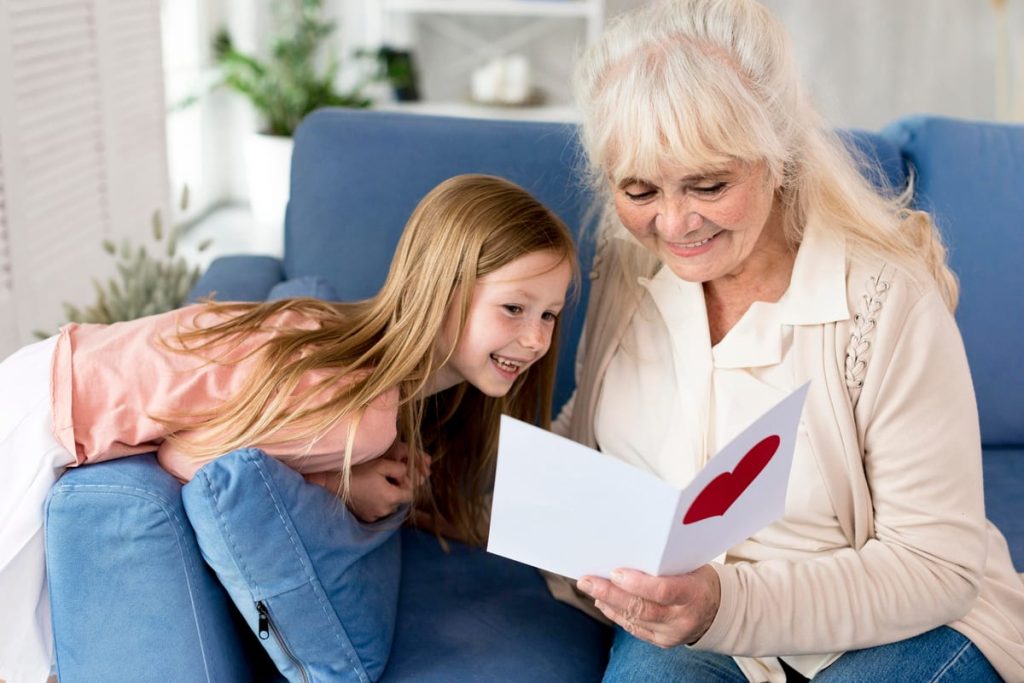
Have you ever opened an old box of family papers and found a letter from your grandmother that you could not fully understand? Explore our new york translation services for details.
For many families, handwritten letters, diaries, certificates, postcards, recipes, and photographs contain stories that exist nowhere else. Translating family documents can unlock those stories and preserve the voices, experiences, and relationships behind them for children, grandchildren, genealogists, and future family historians.
Why Translating Family Documents Matters for Family History
An old letter may look like a simple piece of paper, but its contents can reveal details that disappeared from family memory decades ago.
Grandma might describe the town where she grew up, the relatives she missed after emigrating, the person she planned to marry, or how the family survived a difficult period. Even an ordinary note about a birthday or holiday can reveal names, relationships, customs, and places that matter to genealogical research.
Translation makes this information accessible to relatives who no longer speak the family’s heritage language.
This is especially important in immigrant families. The first generation may speak and write the original language fluently, while later generations primarily use English. After several generations, important documents may remain in the family but become increasingly difficult for anyone to read.
Preserving a translation alongside the original document creates a bridge between generations.
It also helps prevent family history from depending entirely on memory. Stories told verbally can change over time, while letters and diaries provide direct evidence of what relatives wrote in their own words.
A Translation Can Preserve More Than the Words
Grandma’s letters may contain far more than family news. A crossed-out sentence, an old nickname, a regional expression, or even an unusual spelling can reveal how she thought, spoke, and related to the people around her. When these details are translated with context instead of being “corrected” away, the translated version becomes a record of personality as well as language.
The Words That Do Not Have an Exact Match
Family letters often contain expressions that belong to a particular generation, hometown, or culture. A term of affection may sound ordinary in English but carry decades of emotion in the original language. Rather than forcing every phrase into a perfect equivalent, a short explanation can preserve what the original words meant within the family.
For grandchildren who never learned their grandparents’ first language, those small explanations can reveal humor, affection, frustration, and traditions that would otherwise remain hidden behind unfamiliar words.
What Types of Family Documents Should You Translate?
Family archives can contain much more than personal letters.
Family document translation may be useful for handwritten correspondence, diaries, journals, postcards, birth records, marriage records, immigration paperwork, military papers, school records, religious documents, family Bibles, property records, newspaper clippings, recipes, and certificates.
Each type of document can answer different questions.
A marriage certificate may confirm a maiden name. A postcard could establish where a relative was living during a particular year. A diary might explain why a family moved from one country to another. Explore our translating historical letters and records for details.
Even documents that initially seem unimportant deserve a closer look.
For example, the back of an old photograph may contain a handwritten name, location, date, or personal message. A family recipe could include regional expressions or references to cultural traditions that tell descendants something about their ancestors’ everyday lives.
Before deciding what to translate, organize the collection and identify documents that contain names, dates, places, relationships, major events, or personal stories.
Prioritizing these materials can make a large family archive much easier to manage.
How Translating Grandma’s Letters Preserves Her Voice
Good translation involves more than replacing individual words with English equivalents.
Personal letters have personality. Grandma may have used affectionate nicknames, old-fashioned expressions, regional vocabulary, jokes, religious phrases, or sayings that make perfect sense in her culture but sound confusing when translated word for word.
The goal should be to preserve both meaning and context.
Suppose a grandmother used an expression that literally mentions bread but culturally means earning a living. A purely literal translation could leave descendants wondering why bread suddenly appeared in the conversation.
A knowledgeable translator can communicate the intended meaning while noting culturally significant wording when appropriate.
Tone matters too.
A formal letter to an older relative may use language very different from a playful note sent to a sibling. Maintaining those differences helps future readers understand family relationships and social customs.
At Vanan Services Inc, families can seek professional translation assistance for personal and historical documents when accuracy and readability are important.
Professional support can be particularly valuable when documents contain unfamiliar dialects, historical terminology, difficult handwriting, or information that may later be used in genealogical or family-history research.
Challenges When Translating Old Handwritten Family Documents
Age can make family documents difficult to translate even when the language itself is familiar. Explore our translating personal documents for families for details.
Ink fades. Paper becomes stained or torn. Handwriting styles change between generations, and older documents may use spelling conventions that are no longer common.
Historical language presents another challenge.
A word written a century ago may have a different meaning today. Place names can also change because of migration, war, border changes, political developments, or changes in spelling.
Names deserve special attention.
An ancestor may appear under several versions of the same name. A first name could have an English equivalent, while surnames might have been transliterated differently on immigration, census, church, or government records.
Dates can cause confusion as well.
Different countries use different date formats, and historical records may follow calendars or conventions unfamiliar to modern readers. Translators and researchers should avoid making assumptions when the original meaning is uncertain.
For important family documents, uncertainty should be documented rather than hidden.
A note such as “[handwriting unclear]” or an explanation of a possible place-name variation can be more useful to a future genealogist than a confident but unsupported guess.
How to Prepare Family Documents for Professional Translation
Preparation can improve both the translation process and your family archive.
Start by creating clear digital copies of every document. Scan pages at a high enough resolution to capture faded handwriting, punctuation, marginal notes, stamps, and other details.
Keep the files in a logical order.
A simple naming system such as 1948_Grandma-Letter_Page-01 makes documents easier to locate later. If you know the approximate date, sender, recipient, language, or country of origin, record that information separately.
Do not discard the original layout.
The position of a note, signature, stamp, or handwritten addition can provide useful context. When possible, provide complete pages rather than cropped sections containing only the main text. Explore our accessible translation for older generations for details.
Family knowledge can also help a translator.
If you already know that “Mimi” was Grandma’s sister Maria or that the family called a particular village by a nickname, provide those details. Context can help distinguish between people and places with similar names.
When accuracy is especially important, consider professional translation services for family documents rather than relying entirely on automated tools.
Automated translation can sometimes help identify basic modern text, but old handwriting, regional expressions, historical vocabulary, and damaged documents can create substantial errors.
Building a Digital Family Archive for Future Generations
Translation is most valuable when descendants can find it years from now.
Create a digital archive that stores the original scan and translated version together. You might also include a transcription of the original language, research notes, photographs, family-tree information, and explanations supplied by relatives.
Use consistent file names and folders.
For example, you could organize materials by family branch, individual, decade, or document type. Keep a simple index explaining what each folder contains.
Preserve the original-language document even after it has been translated.
Future descendants may learn the heritage language, and researchers may notice linguistic or historical details that were not important during the first translation. The original remains the primary family artifact.
Backups are essential.
Keep copies in more than one secure location, such as an external drive and a trusted cloud-storage service. Family members responsible for the archive should also know where files are stored and how they are organized.
For memoir and family-history writers, this archive can become a valuable source library.
Instead of relying only on secondhand stories, writers can quote translated correspondence, verify timelines, identify locations, and connect major historical events with personal family experiences. Explore our professional document translation services for details.
Using Translated Family Documents in Genealogy and Memoirs
Translated documents become especially powerful when combined with other historical evidence.
A letter mentioning an unfamiliar cousin can lead to census records, passenger lists, church registers, cemetery records, or newspaper archives. A reference to a factory, military unit, neighborhood, or village can open another path for research.
Keep track of where every translated passage originated.
Record the document’s date, author, recipient, original language, and location in your archive. Memoir writers should also distinguish between facts stated in a document and conclusions they have drawn from those facts.
Family documents can contain sensitive information.
Letters may reveal relationships, financial problems, illnesses, disagreements, or events that relatives never discussed openly. Consider privacy and the feelings of living family members before publishing personal material.
When families need accurate translations for a substantial archive, Vanan Services Inc can help make heritage-language documents more accessible while allowing families to focus on preserving and sharing their history.
FAQs About Translating Family Documents
Can old handwritten family letters be translated?
Yes. Old handwritten letters can often be translated when enough of the writing remains legible. Clear, high-resolution scans are helpful because faded ink, unusual handwriting, damaged paper, historical spelling, and regional vocabulary can make older documents challenging to read. Providing information about the writer, approximate date, country, and family names can also give the translator useful context.
Should I translate family letters word for word?
Not always. A strictly word-for-word translation can distort expressions, idioms, humor, and culturally specific phrases. For family-history purposes, the translation should accurately communicate the writer’s meaning while preserving important details about tone and wording. When a phrase has historical or cultural significance, a translator may provide a short note explaining the literal wording or relevant context.
Can translated family documents help with genealogy research?
Yes. Translated documents can reveal names, maiden names, relationships, occupations, addresses, villages, migration routes, religious affiliations, and important dates. These clues can then be compared with census records, immigration files, church registers, newspapers, and other genealogical sources. Keeping the original document beside its translation makes it easier to verify details as your research develops.
How should I preserve translated family documents for future generations?
Save a high-quality scan of the original document alongside the translation and, when useful, a transcription in the original language. Give files descriptive names and record available information about the author, recipient, date, and location. Maintain backups in multiple secure places. Adding photographs, family-tree connections, and research notes can turn individual translations into a well-organized digital family archive.
Preserve Your Family’s Words Before They Are Lost
Grandma’s letters may contain far more than old handwriting. They can preserve a family’s migrations, relationships, traditions, humor, hardships, and everyday moments in the words of the people who experienced them.
By translating family documents, organizing the original materials, and preserving digital copies, families can transform unreadable papers into an accessible record for generations to come.
If your family has letters, certificates, diaries, or other heritage-language documents waiting to be understood, Vanan Services Inc can help you translate and preserve those meaningful pieces of family history.