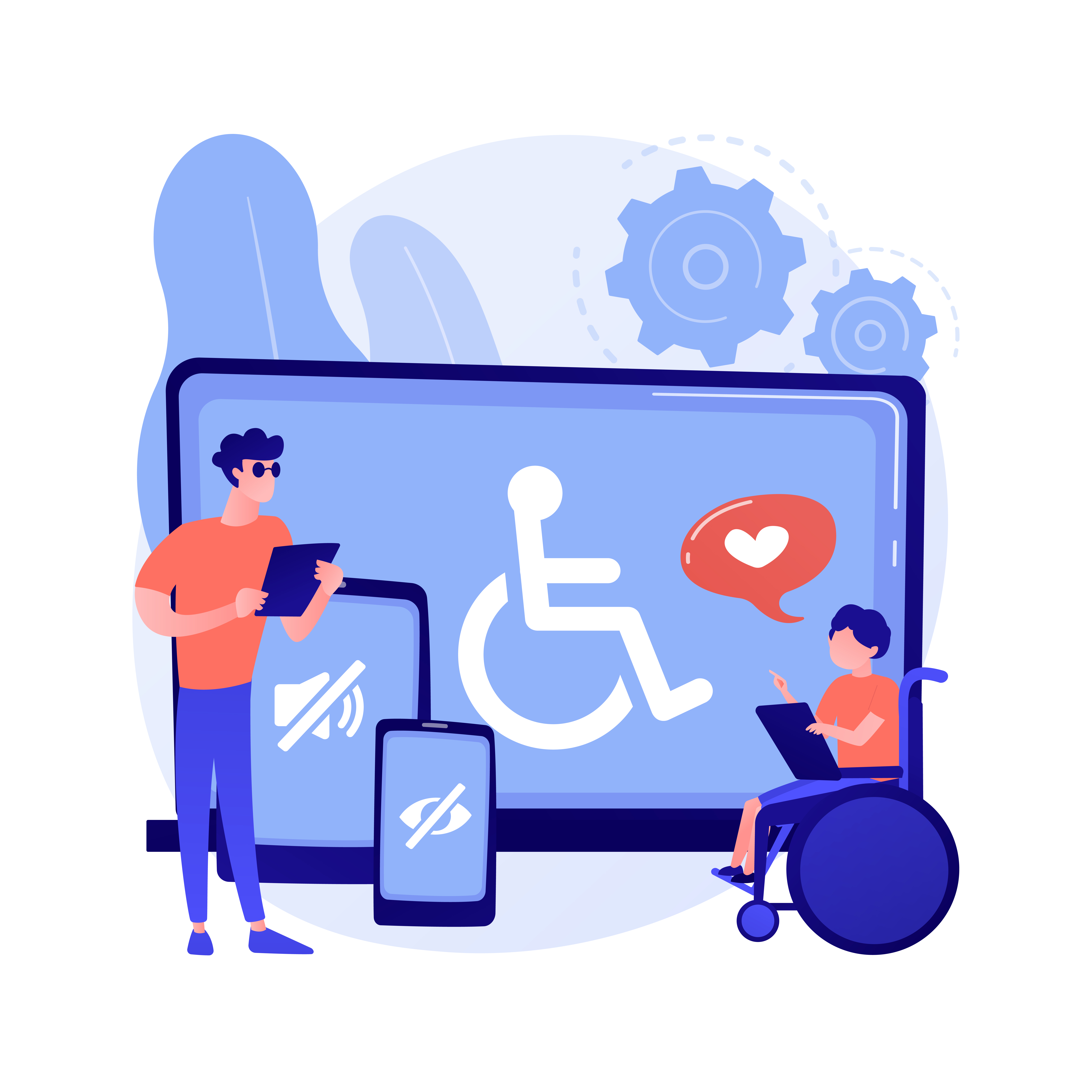

In New York, a city that prides itself on diversity, innovation, and inclusion, providing accessible services is not just a legal obligation but also a smart business decision. Captioning services play a crucial role in making content accessible to a wider audience, including people who are deaf or hard of hearing, non-native English speakers, and those with various cognitive disabilities. As a hub for business, culture, and education, New York’s commitment to accessibility can have a significant impact on a company’s reputation, audience reach, and bottom line. Here’s why captioning services are essential for accessibility:
1. Legal Compliance with Accessibility Laws
New York, along with the rest of the U.S., is bound by several legal requirements regarding accessibility, particularly under the Americans with Disabilities Act (ADA) and Section 508 of the Rehabilitation Act of 1973. These laws mandate that businesses, educational institutions, and public services ensure their content is accessible to all, including individuals with disabilities.
- ADA Compliance: The ADA requires that all public entities provide accessible communications, which includes captions for audio or video content. Failing to provide this can lead to lawsuits and penalties.
- Equal Access to Information: Captioning helps ensure that people who are deaf or hard of hearing can access information in the same way as individuals without disabilities, leveling the playing field.
2. Improved User Experience for a Broader Audience
Beyond legal compliance, captioning services enhance the overall user experience. With New York’s highly diverse population, which includes many non-native English speakers, captions offer a significant benefit for people who may struggle to fully understand spoken language.
- Non-Native English Speakers: Captions help individuals who are learning English or speak English as a second language to better comprehend videos, news broadcasts, and educational content.
- Cognitive Disabilities: For individuals with certain cognitive or learning disabilities, such as dyslexia, captions can support better comprehension and retention of information.
3. Enhancing Engagement and Accessibility in the Digital Age
As more content is consumed through digital platforms, making sure that video and multimedia content is accessible through captions becomes critical for inclusivity. New York businesses, content creators, and educational institutions must embrace captioning as a tool to broaden engagement with their audiences.
- Social Media and Online Content: Many people watch videos on platforms like YouTube, Instagram, and Facebook without sound, especially in public places or on mobile devices. Captions ensure your message reaches them, regardless of whether the sound is turned on.
- Video Streaming and Webinars: For online courses, webinars, and virtual conferences (increasingly common in New York’s education and corporate sectors), captions make the content more accessible and user-friendly.
4. Improved SEO and Searchability
Captioning not only helps with accessibility but also benefits a company’s online presence. By adding captions to videos, websites, or multimedia content, you enhance the SEO (search engine optimization) potential, making it easier for people to find and engage with your content.
- Search Engine Optimization: Search engines can index caption text, meaning that adding captions to videos can improve your content’s searchability. This leads to more visibility, organic traffic, and engagement for your business or institution.
- Increased Reach: For global or multicultural cities like New York, captions can help reach a wider audience by making the content more discoverable by people searching for relevant keywords.
5. Supports Educational Inclusivity
New York’s education system, one of the largest and most diverse in the world, requires that learning materials be accessible to all students, including those with hearing impairments or other learning disabilities.
- In K-12 and Higher Education: Captions support students in classrooms, allowing them to follow along with lectures, videos, and multimedia content more effectively. For students with hearing impairments, captions can be a vital tool for inclusion.
- Training and Professional Development: Businesses offering employee training or professional development courses can increase accessibility by providing captioned videos, ensuring that all employees have equal access to learning resources.
6. Brand Reputation and Corporate Social Responsibility
In an era where social responsibility is increasingly important, businesses in New York benefit from showing their commitment to inclusivity and accessibility. Providing captioning is not only a good practice but also a way to demonstrate corporate values and appeal to a broader audience.
- Brand Image: Demonstrating an understanding of accessibility shows that a company is forward-thinking and socially responsible, which can improve public perception and foster loyalty.
- Inclusive Culture: Being accessible doesn’t just benefit the disabled community; it promotes an inclusive culture that resonates with all customers, employees, and stakeholders.
7. Increased Audience Retention and Engagement
Captions improve retention and comprehension, which means audiences are more likely to engage with content that includes captions. This is particularly important for marketing videos, training materials, and media content where audience retention is key.
- Retention and Focus: Viewers are more likely to stay engaged with video content that includes captions because it helps them follow along and retain the information more easily.
- Enhanced Accessibility for Multitaskers: Many people prefer watching videos with captions when multitasking or in noisy environments, further increasing the potential for audience retention.
8. Supporting New York’s Diversity
New York is one of the most diverse cities in the world, home to people from countless backgrounds, cultures, and languages. Captioning services can bridge language barriers, enabling a greater connection between people and content.
- Cultural Diversity: Captioning can help businesses and media outlets reach communities in New York who speak various languages or dialects, ensuring that content is accessible and resonates with a wider audience.
- Community Engagement: Through captioning, you make your content accessible to people who may not speak English fluently or who have hearing impairments, contributing to a more inclusive society.
Conclusion
Captioning services are essential for ensuring that New York’s content, whether in business, education, or entertainment, is accessible to all. They help organizations comply with legal requirements, engage with a diverse audience, and promote inclusivity. Beyond meeting legal obligations, captioning demonstrates a commitment to providing equal access to information and promoting social responsibility. As New York continues to grow as a hub for diverse communities, embracing captioning will not only enhance accessibility but will also create stronger connections with a wider audience, bolstering your brand’s reputation and reach.