
Key Takeaways
- Translation unlocks war records and military archives for global audiences—enabling researchers, museums, genealogists, and families to access, verify, and connect with original sources and personal voices otherwise locked by language barriers.
- A wide range of documents benefit from translation, including service records, personal correspondence and diaries, official orders and reports, photograph captions, and propaganda or public communications.
- Translating historical military materials poses specific challenges: archaic language and scripts, period‑specific technical terminology and acronyms, cultural and contextual nuance, and physically deteriorated or incomplete documents.
- Best practices include pairing translators with subject‑matter experts, verifying terminology through research, preserving original formatting, providing careful annotations, and using multiple reviews to ensure accuracy and consistency.
- Ethical considerations are essential—treating personal accounts with respect, prioritizing accuracy over modern assumptions, transparently noting uncertainties, and recognizing translation’s role in preserving memory and enhancing public engagement.
In the vaults of museums, the shelves of archives, and the collections of veterans’ organizations lie stories of courage, sacrifice, and human experience. These records—ranging from war‑time correspondence to detailed military logs—capture moments that offer profound context to our shared history. But much of this material was written in languages that may not be accessible to today’s researchers, educators, or descendants of those who served. That’s where precise translation plays a pivotal role in bringing these invaluable documents to life for a wider audience.
For archivists, historians, genealogists, and those dedicated to preserving military heritage, translating war records and related materials is not just a task—it’s a commitment to safeguarding cultural memory. This blog explores why translation of these materials matters, the unique challenges such work presents, and best practices for ensuring accuracy and sensitivity throughout the process.
The Words That Survived the Battlefield
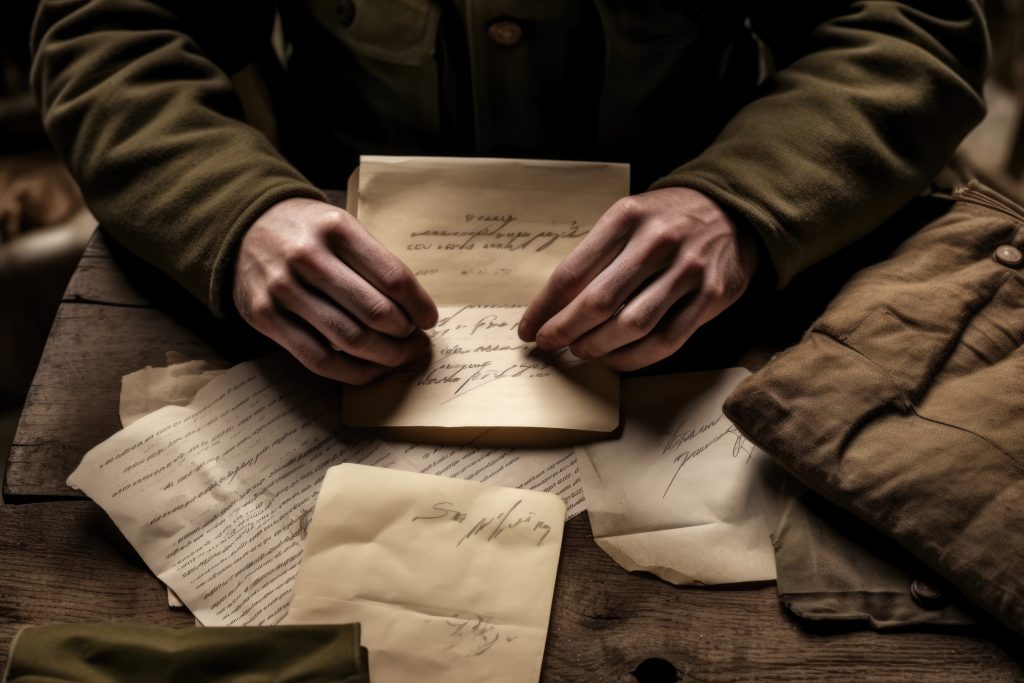
War records are not just military files. They are fragments of human memory. A faded letter from a soldier, a field diary written under blackout conditions, a telegram sent to a worried family, or an order signed before dawn on D-Day can carry more emotion than any textbook.
When these documents are translated, the goal is not only to change words from one language to another. The goal is to preserve the fear, duty, hope, grief, and courage hidden inside them.
Beyond Dates and Battles
D-Day is often remembered through numbers: June 6, 1944, thousands of ships, aircraft, soldiers, and casualties. But behind every number was a person. Many left behind letters in English, French, German, Polish, Dutch, or other languages. Some wrote to parents. Some wrote to their wives. Some wrote final notes they never knew would become history.
Translation helps these personal voices cross borders and generations. A military archive locked in one language can become a shared human record when translated with care.
Why Translate War Records & Military Archives?
1. Expanding Access to Global Audiences
War and military history doesn’t belong to any one nation. Researchers in one country often need access to documents created in another language. Translating documents makes original sources available to a broader scholarly community, fostering collaboration and deeper insights. It allows historians from different linguistic backgrounds to verify facts, compare perspectives, and enrich narratives with diverse viewpoints.
2. Supporting Family History & Genealogy
For many families, translated war records unlock personal stories previously inaccessible due to language barriers. Letters from the front, discharge papers, service summaries, and even diaries provide emotional context that transforms names and dates into real human stories. Genealogists frequently encounter documents in languages such as German, French, Japanese, Russian, or Ottoman Turkish. Effective translation enables families to connect with their heritage and honor the legacies of ancestors with greater precision.
3. Enhancing Exhibits & Public Programs
Museums and historical societies rely on translated texts to create exhibits that resonate with visitors. Display labels, audio guides, and exhibit catalogs enriched with accurately translated quotations and excerpts provide depth to the narratives presented. When visitors encounter translated firsthand accounts, the experience becomes more immersive and impactful.
4. Preserving Authentic Voices
Translated war records allow the original voice of the author—whether a soldier writing a letter home or a commander issuing orders—to be understood by readers who would otherwise be unable to access that material. Keeping the tone, intent, and nuance of the original language supports not only historical accuracy but also emotional authenticity.
Types of Documents That Benefit from Translation
War and military history encompass a remarkable variety of record types, each with unique translation needs:
Service Records
These include enlistment papers, duty assignments, medical records, and discharge summaries. Translating these records helps build accurate service histories of individuals.
Personal Correspondence
Letters, postcards, and diaries convey the personal perspective of those who experienced conflict firsthand. These texts often contain colloquial language and personal reflections that require careful handling to maintain voice and tone.
Official Orders & Reports
Command orders, after‑action reports, and strategic communications often include technical and procedural language. Accurate translation ensures that organizational decisions and battlefield events are correctly documented.
Photographs with Captions
Photographs often carry captions or annotations that provide context. Translating these brief texts is crucial for understanding the who, where, and why behind key historical moments.
Propaganda & Public Communications
Translated propaganda posters, speeches, and public announcements reveal how nations and societies mobilized support and morale. These materials are vital for understanding societal impacts and public sentiment during conflicts.
Challenges in Translating Historical Military Documents
Working with historical war records is more complex than translating everyday texts. Understanding these challenges can help archivists and institutions plan effectively and set realistic expectations.
1. Archaic Language & Script
Many historical documents use dated terms, obsolete spellings, or older grammatical structures. Additionally, handwritten scripts from earlier centuries can be difficult to decipher. This requires translators who are not only linguistically skilled but also familiar with historical writing styles.
2. Technical Terminology
Military records often include jargon, abbreviations, and acronyms unique to a time period or service branch. For example, a World War I German unit title or a World War II Japanese naval code may not have straightforward equivalents in English. Accurate translation requires deep knowledge of historical military structures.
3. Cultural & Contextual Nuance
Words and phrases in war‑time correspondence often carry cultural and emotional weight. Expressions of daily life during conflict may reflect attitudes and norms that do not easily map onto modern language. A sensitive and informed approach is essential to preserve the original meaning without distortion.
4. Deteriorated Materials
Many older records are physically fragile. Ink may have faded, paper may be torn, or entire documents may be incomplete. Translators often work from scans or partial transcriptions, requiring careful reconstruction and interpretation within a historical context.
Best Practices for Translating Historical Military Records
To ensure translations are both accurate and meaningful, institutions should follow thoughtful procedures and collaborate with professionals who specialize in historical documentation.
1. Consult Subject Matter Experts
Pair linguistic specialists with historians or archivists who understand the specific era, military unit, or cultural background of the document. This collaborative approach ensures that technical and contextual nuances are captured.
2. Verify Terminology Through Research
Military terminology can vary widely across periods and nations. Cross‑referencing terms with credible historical glossaries, unit histories, and existing translations helps maintain consistency and accuracy.
3. Preserve Original Formatting
Wherever possible, maintain the structure, paragraphs, and line breaks of the original. This helps future researchers compare translations directly with the source and ensures that context is not lost.
4. Provide Annotations
Carefully annotated translations add richness and clarity. Footnotes or endnotes help explain references, terms without direct equivalents, or cultural aspects that modern audiences may not readily understand. Annotations are especially helpful for personal letters or technical reports where context is key.
5. Use Multiple Reviews
Have more than one skilled reader review translations. Peer review minimizes errors and provides opportunities to refine choices in phrasing, especially for texts with complex or ambiguous language.
Case Studies & Success Stories
Highlighting a few examples where translation significantly expanded understanding can illustrate its value:
Rediscovering a Soldier’s Voice
A historical society working with a translated set of letters from a WWI infantryman brought a powerful narrative to its exhibition. While the original French letters were preserved, translation allowed English‑speaking visitors to deeply connect with the soldier’s viewpoint on daily life in the trenches, his hopes, fears, and reflections on the broader conflict. The exhibit generated substantial community engagement and sparked a local dialogue about the war’s personal impacts.
Genealogical Breakthrough
A family historian traced her grandfather’s wartime service using German‑language military records. Translated service documents, coupled with annotated context, provided precise details on his unit, service locations, and commendations. What had once been a vague family story became a documented military journey, enriching the family’s understanding of its heritage.
Museum Exhibit on Naval History
A maritime museum translated Japanese naval communications from WWII to include in an exhibit focused on Pacific theater naval operations. The translated texts, supported by annotations explaining strategic implications, offered visitors a rare glimpse into operational planning and challenges faced at sea. This enhanced both educational value and historical insight for audiences.
Ethical Considerations in Translation
When dealing with sensitive historical material, especially war‑time correspondence and military orders, ethical considerations must guide every choice:
Respect for Individuals
Many records include personal accounts of trauma, loss, and hardship. Treating these materials respectfully honors the individuals whose experiences are being shared.
Accuracy Over Assumption
Avoid assumptions based on modern perspectives. Seek to convey meanings and intentions as accurately as possible, even when subject matter is difficult or uncomfortable.
Transparency About Limitations
If a section of a document is damaged or unclear, note this in the translation. Transparency about uncertainties reinforces trust and allows researchers to understand the limitations of the source.
Conclusion: Translating for Today & Tomorrow
Historical war records and military archives are windows into pivotal moments that shaped nations and touched countless lives. Translating these materials unlocks deeper understanding, facilitates global scholarship, and strengthens connections between the past and present. For archives, museums, genealogists, and veterans’ organizations, thoughtful and accurate translation is a cornerstone of responsible preservation and public engagement.
By valuing linguistic precision, cultural context, and historical expertise, institutions can ensure that the voices preserved in these documents continue to inform, educate, and inspire generations to come. In every translated letter, report, and record lies a story waiting to be heard—now available to audiences far beyond the language barriers of yesterday.