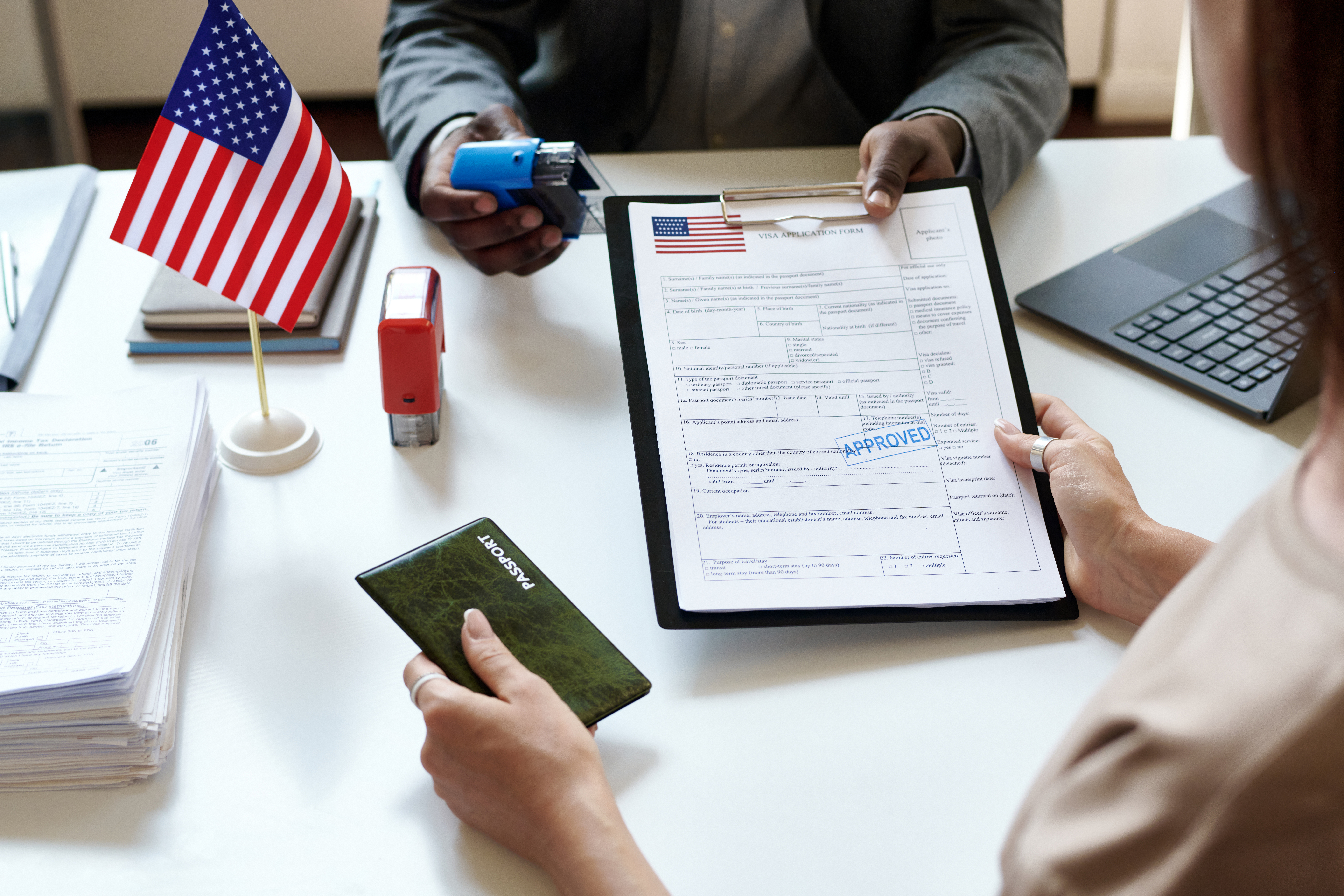
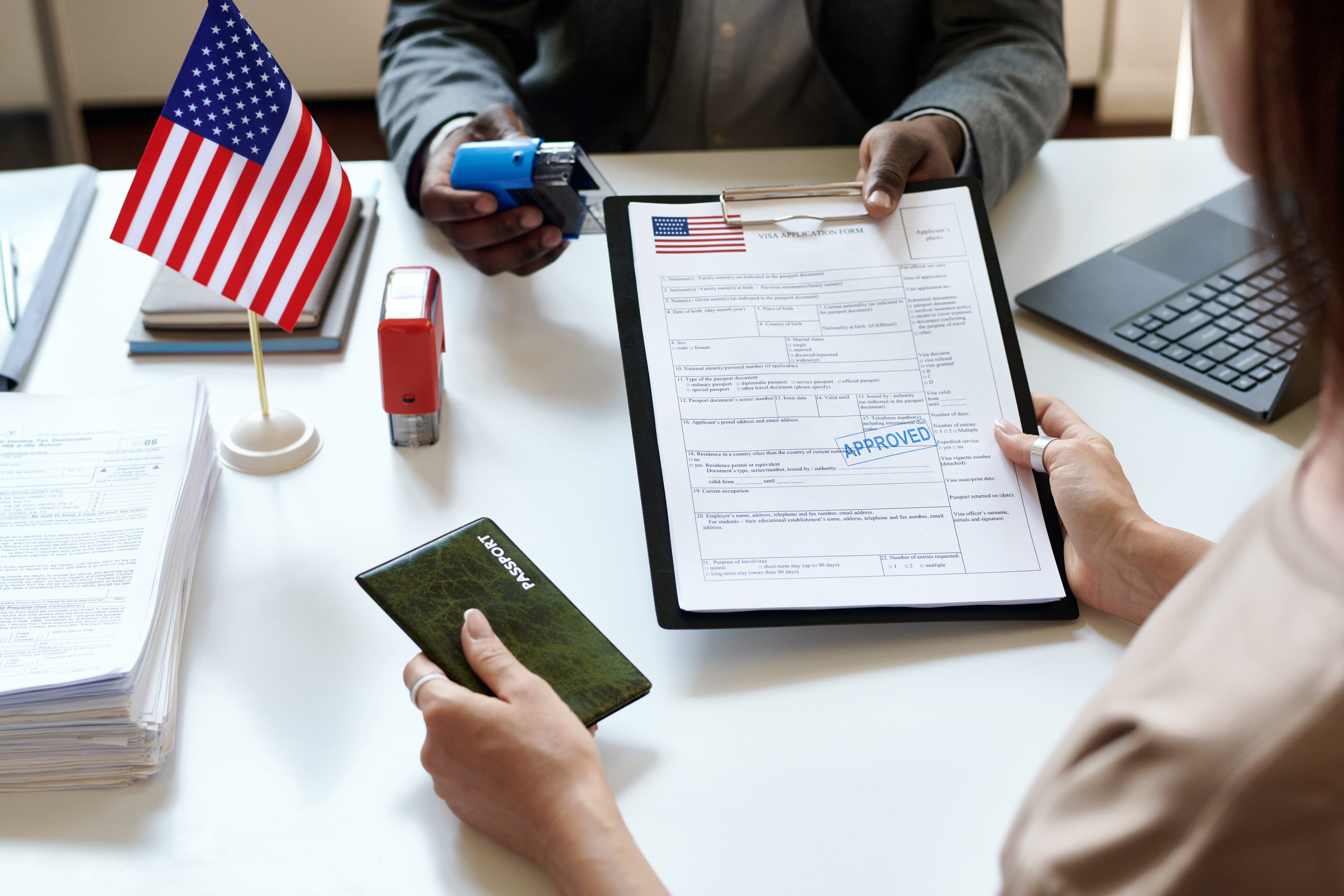

Whether you’re submitting a certificate for immigration, academic, legal, or official purposes, ensuring that your translation meets New York’s requirements is crucial. Without a valid translation, your document may be rejected, causing delays and frustration. Here’s everything you need to know to make sure your certificate translation is valid and accepted in New York.
Why Certificate Translation Matters?
Certificate translations are often required when dealing with important legal documents that are in a foreign language.
Ensures legal acceptance: Authorities, schools, and employers often require translated certificates to process applications without delays.
Avoids misunderstandings: Accurate translation prevents errors in names, dates, grades, or official terms that could cause rejection.
Supports immigration and visa needs: Birth, marriage, police clearance, and academic certificates usually must be translated for immigration files.
Helps with education admissions: Universities need translated transcripts and certificates to evaluate eligibility fairly.
Required for jobs and licensing: Many employers and professional boards ask for translated certificates to verify qualifications.
Acts as official proof: A translated certificate serves as valid evidence in legal, government, or institutional matters.
Meets compliance rules: Some countries require certified translations to follow legal standards and formatting.
Reduces risk of penalties or resubmission: Wrong or incomplete translations can lead to legal issues, delays, or re-filing costs.
Protects document credibility: Professional translations keep the meaning, tone, and authority of the original certificate intact.
Documents That Often Require Certified Translation
Personal Documents
- Marriage certificates
- Divorce decrees/certificates
- Death certificates
- Adoption papers
- Child custody documents
- Passports (ID page)
- National ID cards
- Driver’s licenses
- Police clearance certificates (PCC)
- Background checks / criminal record reports
- Immigration documents and visa paperwork
- Academic transcripts
- Diplomas/degree certificates
- Mark sheets/school reports
- School leaving certificates, and more.
Business Documents
- Business registration certificates
- Articles of incorporation
- Memorandum of Association (MOA)
- Articles of Association (AOA)
- Contracts and service agreements
- NDAs and legal business notices
- Partnership agreements
- Company bylaws/resolutions
- Commercial invoices
- Financial statements
- Audit reports, and more.
This can include:
- Birth certificates
- Marriage certificates
- Academic records
- Immigration forms
- Legal documents
In New York, official institutions (like schools, government agencies, and courts) need to ensure that the translated documents are accurate and legally acceptable. Therefore, the translation process must meet specific standards to avoid issues.
Key Requirements for a Valid Certificate Translation in New York
1. Certified Translation
The most important requirement for certificate translations is that they must be certified. This means that the translator must provide a signed statement declaring that the translation is complete and accurate to the best of their knowledge.
What Should a Certified Translation Include?
- Translator’s statement of accuracy: The translator should confirm that the translation is an accurate representation of the original document.
- Translator’s qualifications: The translator must have expertise in both the source language and English. They should also be proficient in any legal or technical terms that may appear in the document.
- Date of translation: Including the date helps to prove that the translation is recent and relevant.
2. Qualified Translator
It’s essential that the translator is not just fluent in the language but also qualified to handle official documents. A qualified translator will:
- Be proficient in the source language and English.
- Have experience translating legal or official documents.
- Ideally, be a member of a professional body like the American Translators Association (ATA). While ATA membership is not mandatory, it is a good indication of the translator’s credentials.
3. Accuracy and Completeness
The translation must be accurate and complete. This means that:
- All text from the original certificate should be translated, including signatures, seals, and any stamped or handwritten notes.
- The translation should reflect every detail from the original document without any omissions, additions, or alterations.
- The format of the translation should closely mirror the original document. For example, if the original certificate has a signature in a certain location, the translation should mirror that structure.
4. Notarization (When Applicable)
In some cases, a notarized translation may be required. This means the translator or translation service provider would need to appear before a notary public to affirm that they completed the translation and that it is accurate.
- While notarization is not always necessary, some organizations may request it as an added measure of legitimacy.
- Notarization adds an extra layer of verification to the translation, ensuring that it can be trusted by the institution receiving it.
5. Translation Accompaniment
When submitting your translated certificate, ensure that you include the original document (or a certified copy) alongside the translation. This allows the institution to cross-reference the translation with the original document for authenticity.
Steps to Ensure Your Translation is Valid
- Hire a Certified Translation Service
Choose a professional translation company or a qualified individual translator who specializes in certified translations. Be sure that they are experienced in translating certificates and legal documents. - Confirm Translator’s Credentials
Before proceeding with the translation, verify the translator’s qualifications. Make sure they have experience with the type of document you’re submitting (e.g., legal, academic). - Request a Certification of Accuracy
The translation must come with a statement that verifies the accuracy of the translation. Make sure this is included with the translated certificate. - Check the Institution’s Requirements
Some institutions might have specific guidelines for submitting translated documents. For example, a university may request a notarized translation, while a government agency may require a specific format. Always check with the organization to make sure you’re meeting their criteria. - Submit Both Documents
Along with your certified translation, submit a copy of the original document. This ensures the institution can verify that the translation matches the original document.
H2: To Avoid
- Machine translations: Avoid using machine translations like Google Translate for official purposes. These translations are often inaccurate and not acceptable for official use.
- Inaccurate translations: Never use someone who is not proficient in both languages, as errors in the translation can result in delays or rejections.
- Missing certifications: If the translator doesn’t provide a certification of accuracy, your translation may not be accepted.
- Incomplete translations: Ensure the entire document is translated. Omitting parts of the certificate could lead to the rejection of your submission.
H2: Final Thoughts: Ensuring a Smooth Submission
The process of getting a certificate translated for official use in New York might seem complicated, but by following these guidelines, you can ensure that your documents will be accepted. Remember:
- Always use certified translators.
- Double-check specific institution requirements.
- Submit both the original and translated documents together.
By meeting these requirements, your certificate translation will be considered valid and accepted by New York’s institutions.