
Key Takeaways
- Language barriers prevent many parents from understanding important school communications, which reduces parental involvement and can cause misunderstandings about grades, policies, events, and student needs.
- Translating school documents makes essential information accessible so families can complete enrollment, understand report cards and IEPs, give informed consent, and respond appropriately to notices and emergencies.
- Professional translation is needed to ensure accuracy with specialized educational terminology, preserve meaning and cultural context, and protect confidential student information.
- Best practices include collecting families' preferred languages, prioritizing high‑impact documents, establishing a consistent translation workflow with quality checks, and making translated materials easy to access.
- Schools (especially those receiving federal funds) may have legal language‑access obligations; partnering with experienced translation providers (e.g., Vanan Services Inc) helps meet requirements and strengthen school–family trust.
What happens when a parent cannot understand an important notice from their child’s school?
Language barriers can leave families confused about grades, school policies, upcoming events, and their children’s educational needs.
School document translation helps bridge this communication gap by making essential information accessible to parents in their preferred languages. Families in diverse urban areas can also benefit from New York translation services for schools that specialize in educational content.
For schools serving multilingual communities, accurate translations are more than a convenience.
They help families participate in school activities, understand their children’s progress, and make informed educational decisions.
Why Language Barriers Create Communication Challenges in Schools
Effective communication between parents and teachers plays an important role in student achievement.
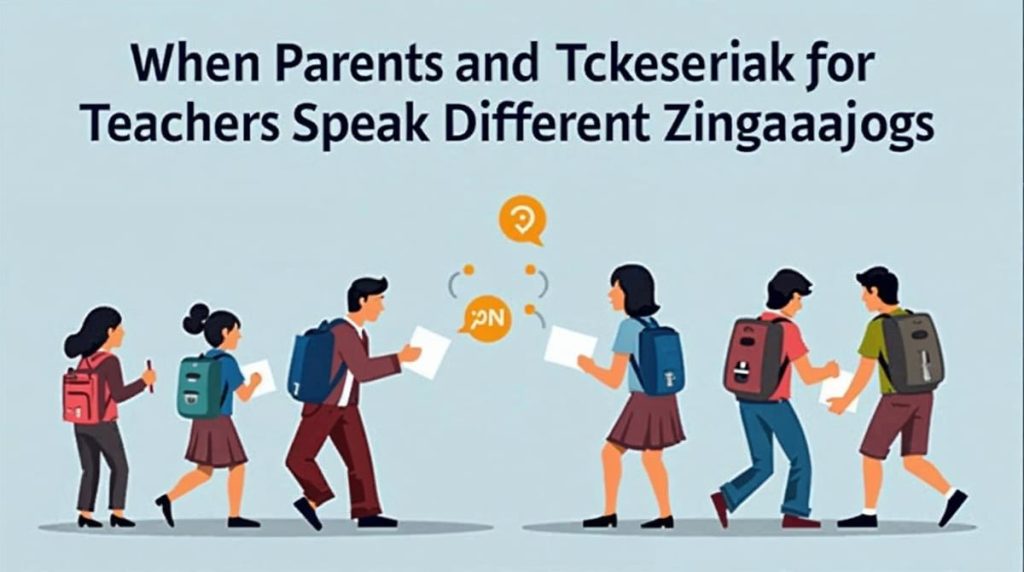
However, when families and educators speak different languages, even routine school communications can become difficult.
How Language Differences Affect Parent-Teacher Communication
Parents depend on schools for updates about academic performance, attendance, assignments, and behavior.
When these messages arrive in an unfamiliar language, families may struggle to understand what teachers expect.
For example, a parent might misunderstand a notice about an upcoming assessment or overlook instructions for a school meeting.
Such situations can create unnecessary stress and reduce parental involvement.
Teachers also face challenges when important written communications fail to reach families clearly.
Without accessible information, parents may have difficulty supporting learning at home or responding to school requests.
Challenges Faced by Multilingual and Immigrant Families
Families who have recently moved to a new country may be unfamiliar with the local education system.
They might encounter unfamiliar grading methods, enrollment requirements, disciplinary policies, or special education procedures.
Language differences make these processes even harder to navigate.
Providing translated educational materials helps families understand school expectations while maintaining their connection with their preferred language.
How School Document Translation Bridges Communication Gaps
School document translation converts written educational materials from one language into another while preserving their original meaning, context, and purpose.
This process allows schools to share important information with families who have different language backgrounds.
Making Essential School Information Accessible
Schools regularly distribute documents containing important instructions, deadlines, and requirements.
When these materials are available in parents’ preferred languages, families can better understand what actions they need to take.
For example, translating an enrollment packet helps parents complete registration requirements accurately.
Similarly, a translated attendance policy explains school expectations without forcing families to rely on unfamiliar terminology.
Accessible documents also reduce the possibility of misunderstandings that could affect students.
Building Trust Between Parents and Educators
Clear communication helps create positive relationships between schools and families.
When educational institutions provide translated materials, they demonstrate respect for linguistic diversity and parental participation. Broader initiatives around language access for multilingual communities show how translated materials improve trust between institutions and families.
Parents may feel more comfortable asking questions, reviewing school information, and contributing to educational decisions.
Teachers benefit from having families who better understand classroom expectations and school procedures.
Over time, this shared understanding can strengthen cooperation and create a more welcoming school environment.
Essential School Documents That Require Professional Translation
Schools produce many documents that directly affect students and their families.
Identifying which materials require translation helps administrators prioritize accessibility and avoid communication gaps.
Student Enrollment and Registration Documents
Enrollment forms often request personal details, educational history, emergency contacts, and required authorizations.
Incorrectly understood instructions can lead to incomplete applications or administrative delays.
Professional translation helps families understand registration requirements and provide the necessary information.
Academic Reports and Progress Updates
Report cards, assessment summaries, and progress reports communicate important details about student performance.
Parents need to understand these documents to recognize academic strengths and areas requiring additional support.
Educational document translation helps preserve the meaning of grading terminology, teacher comments, and performance indicators. A real case involving Spanish school transcript translation challenges illustrates how terminology errors can mislead parents about student performance.
Special Education and Student Support Documents
Individualized Education Programs (IEPs), evaluation reports, and student support plans often contain specialized educational terminology.
Families must understand these materials to participate meaningfully in decisions about their children’s educational services.
Accurate translation is especially important because unclear wording can create confusion about student needs, accommodations, and available support.
School Policies, Notices, and Consent Forms
Schools also communicate through permission slips, disciplinary notices, health forms, transportation updates, and safety procedures.
These materials frequently require parents to provide consent or follow specific instructions.
Translating them helps families understand deadlines, responsibilities, and important school requirements.
| School Document | Purpose of Translation |
|---|---|
| Enrollment forms | Clarify registration requirements |
| Report cards | Explain academic performance |
| IEP documents | Support informed parent participation |
| Permission slips | Communicate consent requirements |
| School policies | Explain rules and procedures |
| Emergency notices | Share critical safety information |
Benefits of Professional School Document Translation Services
Although automated tools can translate basic text, school documents often contain specialized terminology and sensitive information.
Professional school document translation services help educational institutions maintain accuracy, consistency, and confidentiality. Institutions seeking reliable support can explore professional document translation services for education that maintain accuracy across multiple languages.
Improving Translation Accuracy and Clarity
Educational terminology does not always have a direct equivalent in another language.
Terms related to assessments, academic accommodations, and disciplinary procedures require careful attention to context. A case study on translating complex academic course documents highlights how professional judgment prevents terminology errors in educational materials.
Professional translators understand these challenges and select wording that communicates the intended meaning.
They also consider cultural differences that may affect how families understand educational information.
Protecting Confidential Student Information
Many school documents contain sensitive details about students and their families.
Academic records, medical information, disability-related documents, and disciplinary reports require careful handling.
Schools should select translation providers with appropriate confidentiality procedures, secure file-transfer methods, and clear data-handling practices.
These precautions help protect student privacy throughout the translation process.
Supporting Language Access Responsibilities
In the United States, schools receiving federal financial assistance may have obligations to provide meaningful language access to parents with limited English proficiency.
Relevant requirements can arise under Title VI of the Civil Rights Act of 1964 and applicable federal guidance.
Schools should assess their specific responsibilities rather than assume every document requires the same translation approach.
Professional translation services can support these efforts by providing accurate written materials for families.
Vanan Services Inc offers school document translation solutions that educational organizations can consider when addressing multilingual communication needs.
Best Practices for Implementing School Document Translation
A successful translation strategy requires more than converting individual documents into different languages.
Schools need consistent procedures that make translated information accurate, accessible, and easy to maintain.
Identify Families’ Preferred Languages
Schools can collect language preference information during enrollment and update it when family circumstances change.
This information helps administrators understand which languages are most frequently needed.
It also allows schools to plan translation resources based on actual community needs.
Prioritize High-Impact Educational Documents
Administrators should begin with documents that affect enrollment, student safety, academic decisions, and parental consent.
Frequently distributed materials, such as newsletters and policy updates, should also be evaluated.
Prioritizing essential documents helps schools allocate resources responsibly while improving communication.
Establish a Consistent Translation Workflow
A documented translation process reduces mistakes and unnecessary delays.
Schools can establish procedures for document submission, language selection, terminology review, quality checks, and distribution.
Translated documents should be reviewed whenever the original content changes.
For recurring communications, maintaining approved terminology can improve consistency across school departments.
Make Translated Materials Easy to Access
Translated forms and notices should be available through familiar school communication channels.
These may include school websites, parent portals, printed packets, and email communications.
Clear language labels and accessible formatting help parents locate the correct materials without additional confusion.
Schools should also provide a straightforward way for families to request documents in another language.
Frequently Asked Questions About School Document Translation
1. What Is School Document Translation?
School document translation is the process of converting written educational materials from one language into another.
These materials may include report cards, enrollment forms, school policies, consent documents, and special education records.
The purpose is to help parents and guardians understand essential school information regardless of their primary language.
Professional translation focuses on accuracy, appropriate terminology, and preserving the meaning of the original document.
2. Why Is School Document Translation Important for Parents?
School document translation helps parents understand their children’s educational progress, school responsibilities, and available support services.
Without translated materials, families may miss important deadlines or misunderstand academic expectations.
Accessible information encourages parental involvement and helps families make informed decisions.
It also supports stronger cooperation between parents, teachers, and school administrators, particularly in communities where multiple languages are spoken.
3. Can Schools Use Automated Translation Tools for Official Documents?
Automated translation tools may help schools understand the general meaning of simple messages.
However, they can produce errors involving educational terminology, cultural context, and complex instructions.
For sensitive documents such as IEPs, consent forms, and academic records, qualified human translators provide an important level of quality control.
Schools should also consider confidentiality and applicable language access requirements before selecting a translation method.
4. How Can Schools Choose the Right Document Translation Provider?
Schools should look for providers with experience handling educational documents and specialized academic terminology.
Important considerations include language availability, translator qualifications, confidentiality measures, quality review procedures, and expected turnaround times.
Administrators should also confirm whether the provider can preserve document formatting and handle recurring translation requests.
Choosing a dependable provider helps schools maintain consistent communication across different languages and document types.
Conclusion: Strengthen School-Family Communication Through Translation
Language differences should not prevent parents from understanding their children’s education.
School document translation helps educational institutions share essential information, support family participation, and reduce misunderstandings.
By translating important documents accurately and consistently, schools can create stronger connections with multilingual communities.
From enrollment packets to academic records and special education materials, accessible written communication supports better-informed educational decisions.
Vanan Services Inc provides professional document translation services for schools and educational organizations seeking to improve communication with multilingual families.
Contact Vanan Services Inc to discuss your school’s document translation needs and explore solutions that make essential educational information more accessible.