
Key Takeaways
- Prioritize clear, culturally sensitive communication so diverse audiences understand the meaning and significance of cultural and religious celebrations.
- Provide multilingual event materials and descriptive program guides (invitations, schedules, signage, program notes) to remove language barriers and explain rituals.
- Use visual aids and technology—screens, infographics, subtitles, QR codes, mobile apps, and audio guides—to make information accessible across languages.
- Train staff and volunteers in cultural context and sensitivity and involve cultural experts or community representatives to ensure accuracy and respect.
- Measure impact and continuously improve by collecting attendee feedback, tracking engagement and participation, and refining communication strategies.
Cultural celebrations are powerful expressions of identity, history, and community. Whether it’s a religious festival, a traditional ceremony, or a multicultural public event, these gatherings carry deep meaning for those involved. However, as audiences become more diverse, one challenge consistently arises: how do you ensure that everyone present truly understands and connects with the experience?
For event organizers, cultural associations, and religious institutions, the answer lies in thoughtful communication strategies that bridge language and cultural gaps. Professional new york translation services services can play a crucial role in creating materials that help diverse audiences understand and engage with cultural celebrations. When attendees clearly understand what is happening, why it matters, and how to participate, the celebration becomes more inclusive, engaging, and impactful.
This blog explores how improving understanding can elevate cultural events and offers practical strategies to help you create meaningful experiences for diverse audiences.
Why Understanding Matters in Cultural Celebrations
Cultural events are not just performances or rituals—they are stories being shared. These stories carry values, traditions, and emotions that define communities. When attendees don’t fully grasp these elements, the experience becomes surface-level.
On the other hand, when understanding is prioritized:
- Engagement increases – Attendees feel more connected and involved.
- Respect is fostered – Cultural practices are appreciated rather than misunderstood.
- Participation improves – People are more likely to actively join when they know what’s happening.
- Memorability grows – Events leave a lasting impression when meaning is clear.
For organizers, this translates into stronger attendance, better feedback, and long-term community trust.
The Challenges of Multilingual and Multicultural Audiences
Modern cultural events often attract attendees from different linguistic and cultural backgrounds. While this diversity is valuable, it also introduces communication barriers such as:
- Language differences
- Unfamiliar customs or rituals
- Complex symbolic meanings
- Lack of contextual background
Without proper support, attendees may feel confused or disconnected. This challenge of cultural festival translation is especially critical for religious organizations and cultural associations where the depth of meaning is central to the experience.
Creating Inclusive Experiences Through Clear Communication
To make cultural celebrations feel bigger and more meaningful, organizers must focus on accessibility and clarity. Here are key strategies to achieve that:
1. Provide Multilingual Event Materials
Start by ensuring that essential event information is available in multiple languages. This includes:
- Invitations and promotional materials
- Event schedules
- Signage and directions
- Program guides
By doing this, you remove the first barrier to understanding and make attendees feel welcomed from the moment they arrive.
2. Use Descriptive Program Guides
A well-prepared program guide can transform the attendee experience. Instead of simply listing activities, include:
- Background of each ritual or performance
- Cultural significance
- Key participants and their roles
- Expected audience involvement
This helps attendees follow along and appreciate the deeper meaning behind each segment.
3. Incorporate Visual Aids
Visual communication is a powerful tool that transcends language barriers. Consider using:
- Screens displaying explanations or subtitles
- Infographics explaining rituals
- Symbol guides for cultural elements
Visual aids reinforce understanding and ensure that even those unfamiliar with the language can stay engaged.
4. Train Event Staff and Volunteers
Your team plays a crucial role in guiding attendees. Ensure that staff and volunteers:
- Understand the cultural context of the event
- Can assist attendees with questions
- Are approachable and culturally sensitive
Having multilingual staff members is a major advantage, especially for large-scale events.
5. Use Technology to Enhance Accessibility
Technology can significantly improve how information is shared during events. Some effective options include:
- Mobile apps with event details and explanations
- QR codes linking to translated content
- Audio guides in multiple languages
These tools allow attendees to access information at their own pace, making the experience more personalized.
The Role of Cultural Sensitivity
Understanding is not just about language—it’s also about respecting cultural nuances. Event organizers must ensure that communication efforts are:
- Accurate and respectful
- Free from misinterpretation
- Adapted to cultural norms
Working with cultural experts or community representatives can help maintain authenticity while making content accessible. The process of adapting cultural content requires careful attention to both linguistic accuracy and cultural sensitivity.
Enhancing Religious and Traditional Events
Religious organizations often host events that are deeply rooted in tradition. For newcomers or attendees from different backgrounds, these events can be difficult to follow.
To enhance understanding:
- Provide brief introductions before rituals
- Share written or digital explanations of practices
- Offer guided sessions for first-time attendees
These efforts make religious events more inclusive without compromising their authenticity.
Strengthening Community Connections
When people understand cultural celebrations, they feel more connected—not just to the event, but to the community behind it. This leads to:
- Increased cross-cultural appreciation
- Stronger community relationships
- Greater participation in future events
For cultural associations, this is an opportunity to expand their reach and build lasting connections. The importance of cultural understanding through language cannot be overstated in fostering these meaningful community bonds.
Case Example: A Multicultural Festival
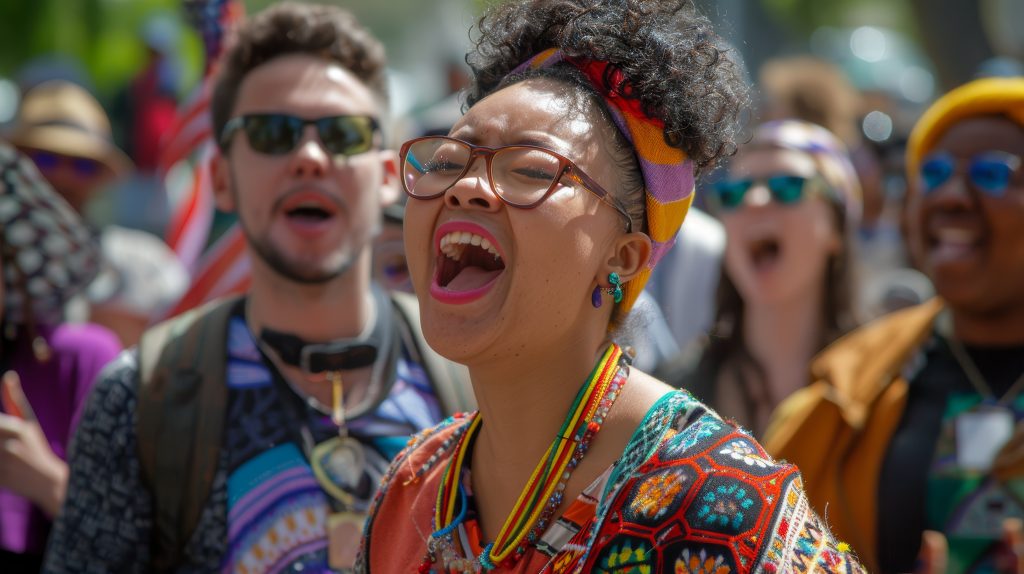
Imagine a large multicultural festival featuring performances, food, and traditions from different communities. Without clear communication, attendees may enjoy the visuals but miss the meaning.
Now consider the same event with:
- Multilingual guides
- Digital explanations accessible via QR codes
- Visual storytelling on screens
- Staff available to explain traditions
The difference is significant. Attendees not only enjoy the event but also understand and remember it. This transforms the celebration into an educational and emotional experience.
Measuring the Impact of Better Understanding
To evaluate the effectiveness of your communication efforts, consider tracking:
- Attendee feedback and satisfaction
- Engagement levels during the event
- Participation in activities
- Return attendance for future events
Positive trends in these areas indicate that your strategies are working.
Practical Tips for Event Organizers
To summarize, here are actionable steps you can implement:
- Plan communication strategies early in the event process
- Identify the primary languages of your audience
- Invest in clear, accessible content
- Use both digital and physical communication tools
- Continuously gather feedback and improve
Small changes can make a big difference in how your event is perceived. Professional translation services can help ensure that your multilingual content is accurate and culturally appropriate.
The Bigger Picture
Cultural celebrations are opportunities to share identity, heritage, and values. When everyone understands these elements, the experience becomes richer and more meaningful.
For event organizers, cultural associations, and religious institutions, the goal is not just to host an event—but to create an environment where every attendee feels included and connected.
By prioritizing clarity, accessibility, and cultural sensitivity, you can ensure that your celebrations truly resonate with diverse audiences.
Conclusion
Cultural celebrations feel bigger when they are understood. They become more than just events—they turn into shared experiences that bring people together.
In a world that is increasingly interconnected, making your events accessible to all is not just a good practice—it’s essential. By focusing on communication, inclusivity, and thoughtful planning, you can elevate your cultural celebrations and leave a lasting impact on every attendee.
When people understand, they connect. And when they connect, your celebration becomes unforgettable.
{
“@context”: “https://schema.org”,
“@type”: “HowTo”,
“name”: “How to Make Cultural Celebrations More Inclusive Through Better Understanding”,
“step”: [
{
“@type”: “HowToStep”,
“position”: 1,
“name”: “Identify Communication Barriers”,
“text”: “Recognize the challenges faced by diverse audiences including language differences, unfamiliar customs, complex symbolic meanings, and lack of contextual background.”
},
{
“@type”: “HowToStep”,
“position”: 2,
“name”: “Create Multilingual Event Materials”,
“text”: “Provide essential event information in multiple languages including invitations, promotional materials, event schedules, signage, directions, and program guides.”
},
{
“@type”: “HowToStep”,
“position”: 3,
“name”: “Develop Descriptive Program Guides”,
“text”: “Create well-prepared program guides that explain what is happening, why it matters, and how attendees can participate in the cultural celebration.”
},
{
“@type”: “HowToStep”,
“position”: 4,
“name”: “Foster Respect and Appreciation”,
“text”: “Focus on helping attendees appreciate cultural practices rather than just observe them by providing context and meaning behind traditions and rituals.”
},
{
“@type”: “HowToStep”,
“position”: 5,
“name”: “Encourage Active Participation”,
“text”: “Make people more likely to actively join by clearly explaining how they can participate and what their role should be during different parts of the celebration.”
},
{
“@type”: “HowToStep”,
“position”: 6,
“name”: “Build Long-term Community Trust”,
“text”: “Focus on creating memorable experiences through clear meaning and understanding, which leads to stronger attendance, better feedback, and lasting community relationships.”
}
]
}