
Key Takeaways
- Language barriers limit participation, recognition, and collaboration for women in science, impacting their contributions to global research.
- Translation of scientific discoveries is crucial for making knowledge accessible, ensuring women researchers can stay updated and apply methodologies locally.
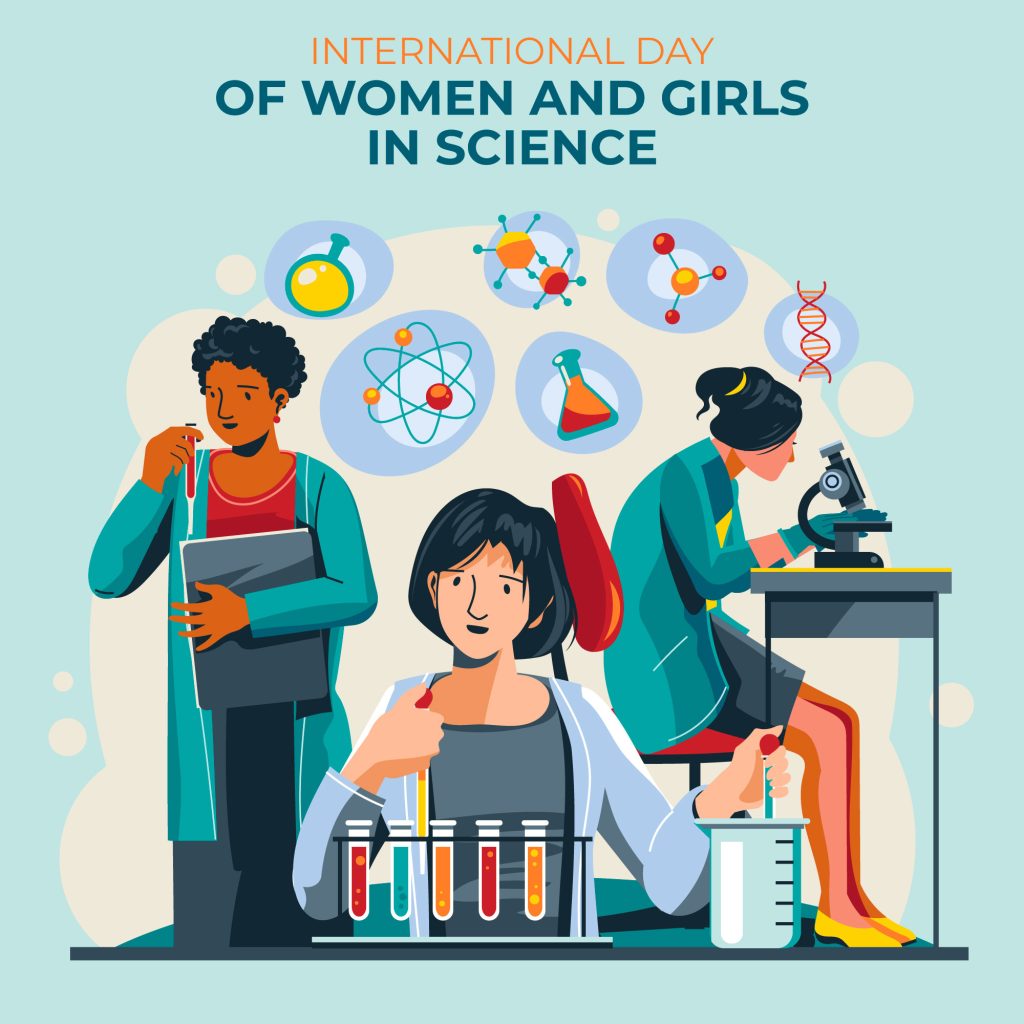
- Women are underrepresented in scientific fields, particularly in leadership roles, with language accessibility being a significant challenge.
- Accurate translation enhances women's visibility in science and supports their ability to publish in international journals and participate in global collaborations.
- Investing in translation and multilingual accessibility fosters equity in STEM, leading to more comprehensive research outcomes and innovation.
Scientific discovery has the power to change the world—but only when knowledge is shared, understood, and accessible. For women in science across the globe, language often becomes an invisible barrier that limits participation, recognition, and collaboration. As research becomes increasingly global and interdisciplinary, translation plays a critical role in ensuring women scientists can fully contribute to—and benefit from—scientific advancements worldwide.
This article explores how translating scientific discoveries helps break down barriers for women in science, promotes equity in STEM fields, and strengthens global research collaboration.
The Translation Gap No One Talks About
Scientific progress often assumes that discovery alone is enough. But for women in science, the real barrier begins after the breakthrough. Research papers, clinical findings, and technological innovations frequently remain locked behind dense language, inaccessible platforms, and male-centric assumptions. When science is not translated for diverse realities, it silently excludes the very communities it aims to serve. Translation, in this sense, is not about simplifying intelligence — it is about widening impact.
One Discovery, Many Realities
A single scientific breakthrough does not arrive equally everywhere. A diagnostic innovation celebrated in a Western laboratory may be life-saving in theory but unreachable in practice elsewhere. A woman researcher in Europe may see her findings influence policy within months, while a clinician in South Asia must adapt the same knowledge to limited infrastructure. In rural communities, women health workers often become the final translators, converting academic language into trust, understanding, and action. Science does not travel in straight lines — it moves through lived experience.
The Global Landscape of Women in Science
Women remain underrepresented in many scientific disciplines, especially in senior research roles and leadership positions. According to UNESCO, women make up less than 33% of researchers globally, with even lower representation in fields such as engineering, physics, and computer science.
Beyond structural and cultural challenges, language accessibility is a significant yet often overlooked obstacle. Many groundbreaking scientific publications, grant opportunities, policy documents, and educational resources are primarily available in dominant languages such as English. This disproportionately affects women researchers in non-English-speaking regions, limiting their access to knowledge, funding, and global visibility.
Why Language Matters in Scientific Research
Science thrives on precision, clarity, and reproducibility. However, complex terminology, dense academic language, and linguistic dominance can exclude talented researchers who lack access to high-quality translations.
Key challenges include:
- Limited access to research papers and journals
- Difficulty publishing research in international journals
- Barriers to participating in global conferences and collaborations
- Reduced visibility for locally conducted research
- Lower chances of securing international grants or partnerships
For women—who may already face systemic inequities—language barriers can compound existing challenges, making translation an essential tool for inclusion.
The Role of Translation in Advancing Gender Equity in STEM
1. Expanding Access to Scientific Knowledge
High-quality translation ensures that scientific discoveries are accessible to women researchers regardless of geographic or linguistic background. Translated journals, research summaries, and educational materials allow female scientists to:
- Stay updated on global research trends
- Apply international methodologies locally
- Teach and mentor students using current scientific knowledge
This access is particularly vital for women in developing regions, where language barriers often restrict exposure to cutting-edge science.
2. Empowering Women Researchers to Publish Globally
Publishing in internationally recognized journals is crucial for academic growth, funding, and career advancement. However, many women scientists conduct exceptional research that remains underrepresented globally due to language constraints.
Professional scientific translation helps researchers:
- Translate manuscripts accurately while preserving technical meaning
- Meet journal-specific language and formatting standards
- Communicate findings clearly to international audiences
By enabling global publication, translation amplifies women’s voices in science and ensures their contributions receive the recognition they deserve.
3. Supporting Cross-Border Collaboration
Modern scientific breakthroughs often emerge from global collaboration. Translating research proposals, data sets, ethics documentation, and collaborative reports allows women scientists to:
- Participate in multinational research projects
- Engage in interdisciplinary partnerships
- Contribute to international policy and innovation discussions
When language is no longer a barrier, collaboration becomes more equitable and inclusive.
Translating Science for Education and Mentorship
Bridging the Gap in STEM Education
Educational institutions play a crucial role in shaping the next generation of women scientists. Translating scientific textbooks, course materials, research guides, and e-learning resources helps ensure:
- Equal learning opportunities for female students
- Improved STEM literacy across regions
- Access to role models and case studies featuring women scientists
This is particularly impactful in regions where STEM education resources are scarce or available only in foreign languages.
Encouraging Women into Research Careers
When young women see scientific content presented in their native language, it becomes more relatable and achievable. Translated content:
- Reduces intimidation associated with complex scientific topics
- Encourages participation in research and innovation
- Builds confidence among aspiring female scientists
Language accessibility fosters early engagement, which is critical for long-term representation in STEM fields.
The Importance of Accuracy in Scientific Translation
Scientific translation is not merely about converting words from one language to another. It requires:
- Subject-matter expertise
- Understanding of discipline-specific terminology
- Cultural and contextual awareness
- Consistency with global scientific standards
Errors or misinterpretations can compromise research integrity, misinform readers, or lead to incorrect applications of scientific findings.
For women scientists, accurate translation ensures their work is:
- Understood as intended
- Credible within the scientific community
- Reproducible and impactful
This accuracy is essential for building trust and authority in global research environments.
Translation and Policy Influence
Scientific discoveries often inform public policy, healthcare guidelines, environmental regulations, and educational reforms. Translating scientific findings allows women researchers to:
- Influence national and international policies
- Participate in advisory panels and global initiatives
- Advocate for gender-responsive science and innovation
When women scientists’ research is accessible to policymakers across languages, it strengthens evidence-based decision-making and promotes inclusive development.
Digital Transformation and AI in Scientific Translation
Advances in technology have transformed how scientific content is translated. While AI-powered tools provide speed and scalability, human expertise remains essential—especially in complex scientific fields.
A balanced approach combines:
- AI-assisted translation for efficiency
- Human review for accuracy and contextual understanding
- Specialized translators with STEM expertise
This hybrid model ensures scientific integrity while increasing accessibility, benefiting women researchers who rely on timely and precise translations.
How STEM Organizations and Institutions Can Support Translation
1. Invest in Multilingual Research Accessibility
Organizations can promote inclusion by:
- Funding translation of key research outputs
- Supporting multilingual journals and repositories
- Offering translation assistance for grant applications
This investment directly supports women scientists’ participation in global research.
2. Promote Inclusive Knowledge Sharing
STEM institutions can:
- Encourage multilingual conference materials
- Provide translated training and mentorship resources
- Highlight research from diverse linguistic backgrounds
Such initiatives signal a commitment to equity and inclusion.
3. Partner with Professional Translation Services
Collaborating with experienced scientific translation providers ensures:
- Terminology accuracy
- Confidentiality and compliance
- Consistency across publications
This support allows researchers to focus on innovation rather than language barriers.
The Broader Impact: Innovation Through Inclusion
When women scientists worldwide can access, share, and publish scientific discoveries without language barriers, the entire scientific ecosystem benefits. Diverse perspectives lead to:
- More comprehensive research outcomes
- Increased innovation and problem-solving
- Science that better reflects global needs
Translation is not just a linguistic service—it is a catalyst for equity, collaboration, and progress.
Looking Ahead: A More Inclusive Scientific Future
Breaking barriers in science requires addressing both visible and invisible challenges. Language should never limit a scientist’s potential, impact, or recognition. By prioritizing the translation of scientific discoveries, we:
- Empower women researchers globally
- Strengthen international collaboration
- Advance equity in STEM fields
- Ensure scientific knowledge serves all communities
As the scientific community continues to evolve, translation will remain a vital tool in building a more inclusive, connected, and innovative world for women in science.
Final Thoughts
For female scientists, academic researchers, STEM organizations, and educational institutions, investing in scientific translation is an investment in equality, excellence, and global progress. By breaking language barriers, we open doors—to discovery, leadership, and a future where women’s contributions to science are fully recognized and shared worldwide.