
When it comes to transcription services, many businesses, legal firms, and research institutions may assume that all transcriptionists are the same. After all, transcribing audio to text might seem like a straightforward process. However, the reality is far more nuanced, especially when the transcripts involve complex legal or corporate language, or when they are critical for research accuracy. For these reasons, it’s vital to understand why certified transcriptionists, particularly those in New York, are an essential resource for ensuring the highest quality and reliability in your transcriptions.
In this blog, we’ll explore the reasons why certified transcriptionists are a crucial asset to corporations, legal firms, and research institutions. We’ll also discuss what certification means in the context of transcription services and why New York is home to some of the best in the industry.
The New York Factor: Why This City Is a Different Beast?
People outside New York assume transcription is just… typing what they hear. But New Yorkers know better.
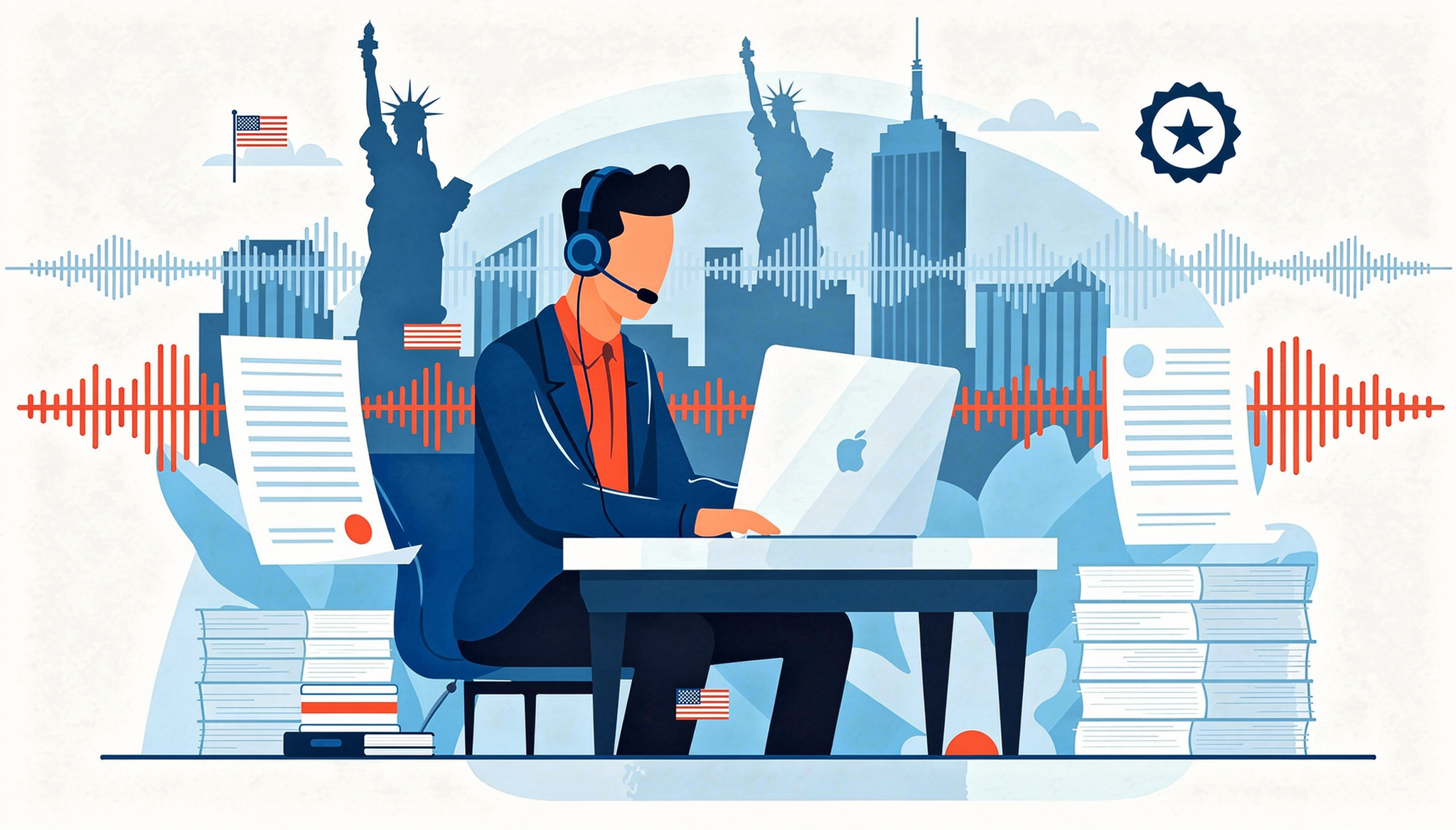
Wall Street jargon, fast-paced legal proceedings, medical specialists from all over the world, plus hundreds of accents packed into a single subway line—this city throws every possible curveball at your audio. A certified transcriptionist in New York isn’t just someone who types fast; they’re trained to decode New York speak:
- Rapid-fire conversations in conference rooms and courtrooms
- Speakers switching between English and another language mid-sentence
- Industry-specific terminology from finance, law, healthcare, media, and tech
In a city where a misheard word can change a contract, a diagnosis, or a court case, “good enough” transcription just isn’t good enough.
The Difference Between Regular and Certified Transcriptionists
A transcriptionist is someone who listens to audio recordings and transcribes them into written documents. While this may sound simple, transcribing with accuracy and professionalism requires much more than just typing skills. Transcriptionists need to understand context, jargon, and the intricacies of various industries. Certified transcriptionists go a step further by undergoing specialized training and evaluation to ensure they meet stringent quality standards.
Why Certified Transcriptionists Matter
Certified transcriptionists have passed comprehensive exams and demonstrated their competence in transcribing complex materials. For those in industries like law, business, or research, this level of expertise is necessary for several reasons.
1. Accuracy and Precision
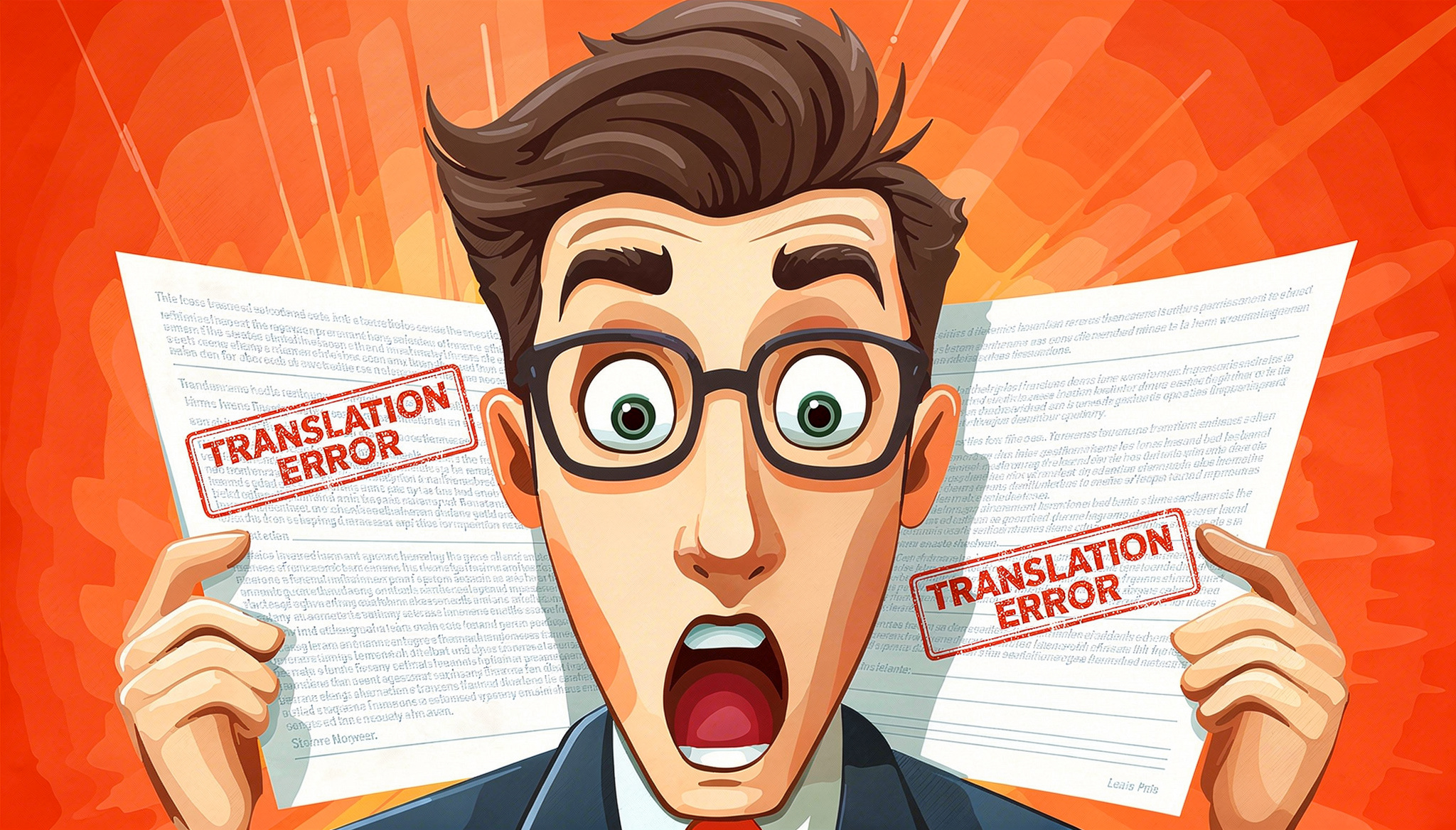
In legal matters, one misplaced word or an incorrect transcription could lead to severe consequences. Imagine a lawyer misinterpreting testimony or a corporate document with a misquoted number. Certified transcriptionists have been trained to provide error-free transcripts, ensuring every word is captured accurately. They also have the skills to distinguish between similar-sounding words and interpret nuances in speech, which are especially important in legal and technical fields.
2. Confidentiality and Security
Certified transcriptionists are bound by ethical guidelines and often have protocols in place to ensure confidentiality. Many industries, particularly in law and research, deal with highly sensitive information. Certified professionals are aware of the importance of maintaining privacy and taking necessary precautions to safeguard sensitive data. This includes using secure file-sharing methods and understanding non-disclosure agreements (NDAs).
3. Industry-Specific Expertise
Certain fields require specialized knowledge to ensure that the transcription is accurate and appropriate. For example, a legal transcriptionist must be familiar with legal terminology, procedures, and formats to produce usable documents. Similarly, a medical transcriptionist must understand medical terms, abbreviations, and protocols. Certified transcriptionists often have certifications in niche industries, which allows them to provide a higher level of expertise in specific fields.
4. Legal Admissibility
In legal settings, the accuracy of transcriptions can affect the outcome of a case. Transcriptions of depositions, court hearings, or witness testimonies need to be flawless for them to be admissible in court. Certified transcriptionists adhere to strict standards that ensure their transcripts are legally sound and can be used as reliable evidence in a legal context.
5. Ensuring Quality Control
Certified transcriptionists undergo a rigorous training process and are often subject to ongoing assessments. This ensures they stay up-to-date on industry best practices and improve their skills over time. This commitment to continuous improvement and quality assurance benefits businesses and legal firms that rely on transcriptions to make critical decisions.
6. Time-Saving Efficiency
While non-certified transcriptionists might deliver quick turnaround times, certified transcriptionists understand that quality is paramount. Certified professionals are highly efficient, managing their time effectively to ensure that each transcription is completed accurately and in a timely manner. For businesses and legal firms, this balance of quality and efficiency can be crucial in keeping projects on schedule.
Why New York?
New York has long been a hub for legal, corporate, and research activities, making it a prime location for transcription services. Many global businesses and law firms are headquartered here, and the city is home to research institutions that require precise documentation. Certified transcriptionists in New York are experienced in catering to these high-stakes industries, which is why it’s essential to partner with professionals who understand the local demands and the industry-specific nuances.
Furthermore, New York’s diverse population and the variety of industries in the state make it an ideal environment for certified transcriptionists. These professionals are accustomed to working with clients from all backgrounds and industries, including finance, healthcare, technology, law, and research.
Industries That Rely on Certified Transcriptionists
1. Corporate Sector
Corporations frequently need transcription services for meetings, presentations, interviews, and conference calls. Whether it’s for internal documentation or public-facing reports, these transcriptions must be clear, accurate, and professional. Certified transcriptionists provide businesses with the peace of mind that their transcriptions will meet industry standards and are legally sound.
2. Legal Firms
In the legal field, accuracy is crucial. Transcriptions of court hearings, depositions, arbitrations, and client consultations must be flawless to ensure that legal proceedings are properly documented. A certified transcriptionist understands the importance of legal terminology and formatting and can produce transcripts that comply with court standards.
3. Research Institutions
Research institutions depend on transcriptionists to accurately transcribe interviews, focus groups, and other research data. Precision is essential, as these transcripts are often used to compile reports or to support academic studies and publications. Certified transcriptionists ensure that every detail is captured with fidelity, making the transcription process more efficient and dependable.
4. Medical Industry
In the medical field, transcriptionists must understand complex medical terminology, diagnosis codes, and patient confidentiality regulations. Certified medical transcriptionists (CMTs) are experts in creating transcripts of doctor-patient consultations, medical reports, and surgeries, ensuring the highest standards of quality and accuracy.
5. Government Agencies
Government agencies also require certified transcription services, especially for hearings, meetings, and proceedings that need to be documented accurately for public record. Certified transcriptionists understand the importance of adhering to legal and ethical guidelines and often work with government entities to produce reliable, accurate, and timely transcripts.
What to Look for in a Certified Transcriptionist
When choosing a certified transcriptionist for your business or institution, consider the following criteria:
- Certification and Qualifications: Ensure the transcriptionist has a recognized certification from a reputable body, such as the Association of Legal and Compliance Professionals (ALCP), the American Association of Electronic Reporters and Transcribers (AAERT), or a similar organization.
- Experience in Your Industry: Look for a transcriptionist who has specific experience in your field. A legal transcriptionist may not be suitable for a medical or corporate transcription project, and vice versa.
- Confidentiality Protocols: Make sure the transcriptionist has strong privacy measures in place and is willing to sign an NDA if necessary.
- References and Reviews: Check for testimonials or references from other clients in your industry to ensure the transcriptionist can deliver high-quality work on time.
Conclusion
Not all transcription services are created equal, and when it comes to high-stakes industries like law, business, or research, you cannot afford to compromise on quality. Certified transcriptionists are trained professionals who ensure your transcripts are accurate, reliable, and legally sound. In New York, where business, legal, and research industries converge, having access to certified transcription services is crucial for ensuring that your documents are handled with the utmost care and expertise. Whether you are a corporation, a law firm, or a research institution, investing in certified transcription services will protect your interests and save you from costly errors and delays.
Related Blogs
Quick picks you might like next