
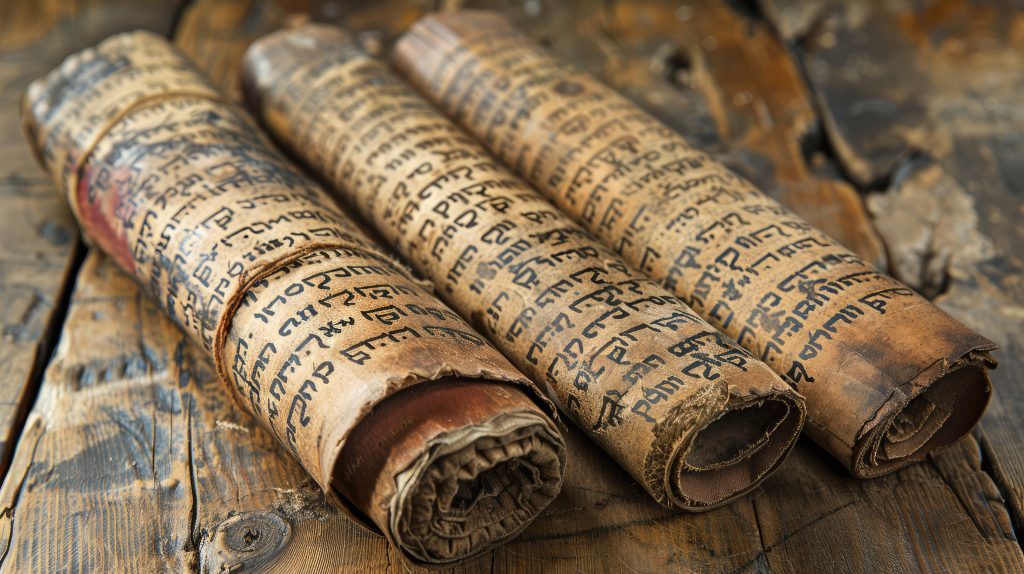

Translating Historical Documents: Preserving Legacy Across Languages
Historical documents are more than just records of the past—they are the voices of civilizations, the evidence of cultural evolution, and the foundation of collective identity. From ancient manuscripts and colonial records to personal letters and archival materials, these documents carry invaluable insights into human history. However, their true value can only be realized when they are accessible across languages.
Translating historical documents is not simply a linguistic task—it is an act of preservation, interpretation, and cultural responsibility. For historians, researchers, cultural institutions, and museums, accurate translation ensures that knowledge transcends linguistic boundaries and continues to educate future generations.
The Importance of Translating Historical Documents
Historical documents are often written in archaic, extinct, or region-specific languages that are no longer widely understood. Without translation, these materials remain inaccessible to a global audience.
1. Expanding Accessibility
Translation allows scholars, researchers, and institutions worldwide to access primary sources without language barriers. This is particularly crucial in collaborative academic research, where diverse perspectives enhance interpretation and where professional translation services can bridge linguistic gaps effectively.
2. Preserving Cultural Heritage
Languages evolve, and some disappear entirely. Translating historical texts ensures that the knowledge embedded in them is preserved even if the original language fades from use.
3. Supporting Academic Research
Researchers rely heavily on translated materials to build accurate narratives. Whether it’s understanding trade routes, political systems, or social structures, translation plays a vital role in scholarly work.
4. Enhancing Public Engagement
Museums and cultural institutions often display translated versions of historical documents to engage visitors. This helps audiences connect with history in a meaningful and understandable way.
Challenges in Translating Historical Documents
Unlike modern translation projects, historical document translation presents unique complexities that require specialized expertise.
1. Archaic Language and Obsolete Terms
Historical texts often contain outdated vocabulary, idioms, and grammatical structures. Translators must interpret meanings that may no longer exist in contemporary language.
2. Handwritten Manuscripts
Many historical documents are handwritten, sometimes in difficult-to-read scripts. Deciphering these texts requires paleographic skills in addition to linguistic knowledge, especially when dealing with fragile materials that may eventually need conversion to typed documents for records preservation.
3. Cultural Context and Nuances
Words and phrases often carry cultural significance that cannot be translated literally. Understanding the historical and cultural context is essential to preserving the intended meaning.
4. Incomplete or Damaged Documents
Aged documents may be partially damaged, faded, or missing sections. Translators must reconstruct meaning carefully without introducing inaccuracies.
5. Multiple Interpretations
Historical texts can be ambiguous. A single phrase may have multiple interpretations depending on context, requiring careful analysis and sometimes collaboration with subject-matter experts.
The Role of Expert Translators
Given these challenges, translating historical documents requires more than general language proficiency. It demands a combination of skills and expertise.
Linguistic Expertise
Translators must be fluent in both the source and target languages, including historical variations of those languages.
Subject-Matter Knowledge
Understanding the historical period, cultural background, and subject matter is essential for accurate translation, particularly when dealing with complex cultural elements similar to the challenges faced in translating religious texts.
Research Skills
Translators often need to consult dictionaries, archives, and scholarly works to verify meanings and interpretations.
Attention to Detail
Even minor errors can alter the meaning of a historical document. Precision is critical.
Translation Methodologies for Historical Texts
Different approaches are used depending on the purpose of the translation and the nature of the document.
1. Literal Translation
This approach focuses on preserving the original structure and wording as closely as possible. It is often used for academic research.
2. Interpretive Translation
Here, the translator prioritizes conveying the meaning rather than the exact wording. This is useful for general audiences or museum displays.
3. Annotated Translation
Annotations provide additional context, explanations, and clarifications. This method is particularly valuable for complex or culturally rich texts.
4. Diplomatic Transcription
This involves reproducing the original text as accurately as possible, including spelling and formatting, before translating it.
The Role of Technology in Historical Translation
Technology has significantly enhanced the process of translating historical documents, although it cannot replace human expertise.
Optical Character Recognition (OCR)
OCR tools can digitize printed historical texts, making them easier to analyze and translate.
Digital Archives
Online repositories provide access to vast collections of historical documents, facilitating research and collaboration.
Translation Tools
While machine translation can assist with initial drafts, human translators are essential for accuracy, especially with complex historical content.
Preservation Technologies
Digitization ensures that fragile documents are preserved while allowing translators to work on high-quality digital copies.
Best Practices for Translating Historical Documents
For historians, researchers, and institutions, following best practices ensures high-quality translations.
1. Collaborate with Experts
Working with historians, linguists, and subject-matter experts helps ensure accuracy and authenticity.
2. Maintain Transparency
Clearly indicate where interpretations or assumptions have been made, especially in incomplete texts.
3. Use Annotations
Provide explanations for cultural references, archaic terms, and ambiguous phrases.
4. Preserve Original Meaning
Avoid modernizing the text to the point where it loses its historical authenticity. The focus should remain on preserving meaning across languages while maintaining the document’s historical integrity.
5. Document the Process
Keep records of translation decisions, sources, and methodologies for future reference.
Applications Across Institutions
Museums
Museums rely on translated documents to create engaging exhibits. Accurate translations help visitors understand the historical significance of artifacts.
Archives and Libraries
Translation makes archival materials accessible to a broader audience, supporting research and education.
Academic Institutions
Universities and research centers depend on translated texts for teaching and scholarly work.
Cultural Organizations
Organizations focused on heritage preservation use translation to promote cultural understanding and global awareness.
Ethical Considerations in Historical Translation
Translating historical documents is not just a technical task—it also involves ethical responsibility.
Accuracy vs. Interpretation
Balancing fidelity to the original text with readability is a key ethical challenge.
Cultural Sensitivity
Translators must respect the cultural context and avoid imposing modern biases.
Attribution
Proper credit should be given to original authors and sources.
Preservation of Integrity
Translations should not alter or distort historical facts.
Case Studies: The Impact of Translation
Ancient Manuscripts
Translations of ancient texts, such as religious scriptures and philosophical works, have shaped global knowledge and belief systems.
Colonial Records
Translating colonial documents provides insights into historical governance, trade, and cultural interactions.
Personal Letters and Diaries
These documents offer intimate perspectives on historical events, enriching our understanding of the past.
The Future of Historical Document Translation
As globalization continues, the demand for translated historical documents is growing. Emerging technologies and interdisciplinary collaboration are shaping the future of this field.
Increased Digitization
More historical documents are being digitized, making them accessible to translators worldwide.
AI-Assisted Translation
Artificial intelligence can support translation efforts, but human expertise remains indispensable.
Collaborative Platforms
Researchers and translators can collaborate across borders, improving accuracy and efficiency.
Greater Public Access
Translation efforts are making history more accessible to the general public, fostering greater appreciation of cultural heritage.
Conclusion
Translating historical documents is a vital process that bridges the past and the present. It enables historians, researchers, and cultural institutions to preserve knowledge, share insights, and promote global understanding.
By combining linguistic expertise, cultural awareness, and advanced technology, translation ensures that the voices of history continue to be heard across languages and generations.
For historians and institutions, investing in high-quality translation is not just about accessibility—it is about safeguarding legacy, enriching scholarship, and connecting the world through shared history. When undertaking such critical work, consider partnering with professional translation services to ensure the highest standards of accuracy and cultural sensitivity.