
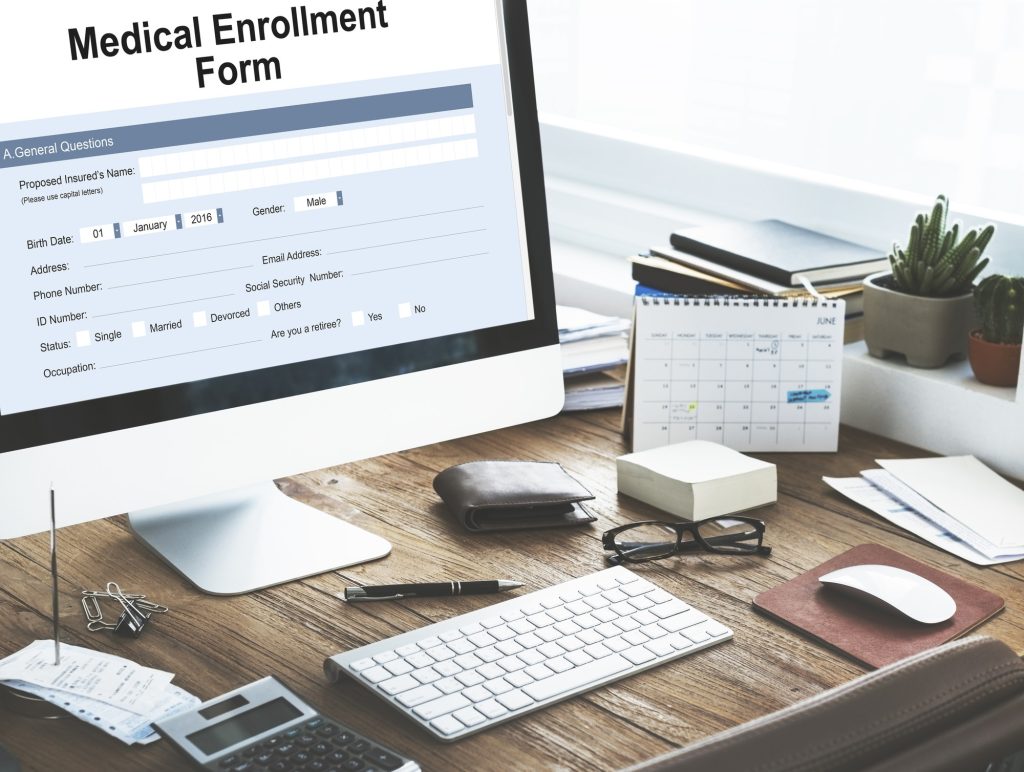

Key Takeaways
- Accuracy is critical—typos or incorrect entries can delay admission or treatment, cause insurance rejections, and create clinical misinterpretation; professional typing services can raise precision to meet NYC hospital standards.
- Gather all source information before typing (previous reports, prescriptions, lab results, discharge summaries, physician notes, insurance details) and use a checklist to avoid missing documents.
- Standardize the format and structure (clear sections such as Patient Information, Conditions, Medications, Allergies, Surgical History; consistent spacing, headings, and MM/DD/YYYY dates) so forms are EHR-compatible and easy to import.
- Use accurate medical terminology and verification practices—confirm drug and diagnosis spellings, avoid informal shorthand, proofread entries, use medical spellcheck tools, and employ a second reviewer for bulk or complex records.
- Maintain HIPAA-compliant handling and submission: use secure/encrypted storage and devices, restrict access, use HIPAA-compliant transcription services when outsourcing, submit EHR-compatible PDFs with proper file naming.
Submitting medical history forms to hospitals in New York City can feel overwhelming, especially when accuracy is critical. Whether you are a patient preparing records, a healthcare administrator coordinating documentation, or a medical office manager handling multiple submissions, even small typing errors can lead to delays, rejected forms, or miscommunication in patient care.
This guide explains, in a practical step-by-step way, how to ensure medical history forms are typed accurately, clearly formatted, and ready for NYC hospital submission standards. Partnering with professional typing services can make a significant difference in achieving the level of precision these submissions demand.
Why Accuracy Matters in Medical History Forms
Medical history forms are not just paperwork—they directly influence diagnosis, treatment plans, insurance processing, and continuity of care. In NYC hospitals, where systems are highly structured and often digitized, even minor inconsistencies can create issues such as:
- Delayed patient admission or treatment
- Insurance claim rejections
- Misinterpretation of medications or conditions
- Duplicate or incomplete patient records
For example, a misspelled medication name or incorrect dosage entry could lead to clinical confusion. This is why accuracy in typing is not optional—it is essential, and many healthcare providers are turning to records typed by professionals in New York to meet these high standards.
Understanding NYC Hospital Documentation Expectations
Hospitals in New York City, including large systems like NYU Langone, Mount Sinai, and NYC Health + Hospitals, typically require:
- Clean, structured formatting (no handwritten ambiguity)
- Consistent medical terminology
- Standard date formats (MM/DD/YYYY)
- Clear separation of sections (conditions, medications, allergies, surgeries)
- Legible and professional digital documents (usually PDF or EHR upload formats)
Most hospitals also integrate Electronic Health Records (EHR) systems, so typed forms must be compatible with digital databases without formatting errors.
Step 1: Gather All Source Information Before Typing
Before typing begins, collect all relevant patient data in one place. This may include:
- Previous medical reports
- Prescription lists
- Lab results
- Discharge summaries
- Insurance details
- Physician notes (handwritten or digital)
For healthcare admins, this step is crucial because missing documents are the leading cause of incomplete forms. For patients, double-checking your documents ensures nothing is overlooked.
A best practice is to create a checklist of required fields based on the hospital’s intake form.
Step 2: Standardize the Format Before You Start
Standardization ensures consistency across all forms. Use a uniform structure such as:
- Patient Information
- Medical Conditions
- Current Medications
- Allergies
- Surgical History
- Family Medical History
- Lifestyle Information (smoking, alcohol, etc.)
Each section should have consistent spacing, headings, and alignment.
Avoid mixing formats like bullet points in one section and paragraphs in another unless required. NYC hospital systems prefer structured data that can be easily scanned or imported.
Step 3: Use Accurate Medical Terminology
One of the most common issues in typed medical forms is incorrect terminology. To avoid this:
- Use official drug names instead of abbreviations (e.g., “acetaminophen” instead of “Tylenol” if required)
- Confirm spelling of diagnoses using trusted sources
- Avoid informal language or shorthand notes
Healthcare administrators should consider using typing services for clinical documentation to reduce terminology errors and maintain compliance with hospital standards.
Patients should not guess spellings—always verify with prescriptions or physician notes.
Step 4: Ensure Typing Accuracy and Consistency
Typing accuracy is the foundation of a reliable medical document. Even small errors can change meaning.
Here are key practices:
- Proofread every entry twice
- Use spellcheck tools designed for medical content
- Maintain consistent capitalization (e.g., Hypertension vs hypertension)
- Ensure numbers (dosages, dates) are correct and aligned with source documents
For office managers handling bulk documentation, it is advisable to assign a second reviewer for quality assurance.
Step 5: Maintain HIPAA-Compliant Handling of Data
Medical forms contain sensitive personal health information, so confidentiality is essential.
Best practices include:
- Using secure devices and encrypted storage
- Avoiding email transmission without encryption
- Restricting access to authorized personnel only
- Using HIPAA-compliant typing or transcription services when outsourcing
For NYC hospitals, compliance with HIPAA is not just recommended—it is legally required. Any breach can result in serious penalties.
Step 6: Format for Hospital Submission Systems
Different NYC hospitals may have different submission formats, but most prefer:
- PDF files with locked formatting
- EHR-compatible uploads
- Standardized font (Arial or Times New Roman, size 11–12)
- Clear margins and spacing
- No handwritten edits or annotations
Avoid decorative elements like colors, graphics, or unnecessary tables unless requested. The goal is clarity, not design.
If submitting digitally, ensure file names are structured properly, such as:
John_Doe_Medical_History_2026.pdf
Step 7: Verify Before Submission
Before sending the final document, perform a full verification check:
- Are all sections complete?
- Are dates consistent?
- Are medications spelled correctly?
- Are there any missing allergies or conditions?
- Does the document match the source records exactly?
Healthcare admins often use a “two-pass review system,” where one person types and another validates. This significantly reduces errors and aligns with the accurate document standards in New York that apply across many professional and medical settings.
Patients submitting independently should ask a medical office or support staff to review if possible.
Step 8: Consider Professional Typing Support for Complex Cases
For complex medical histories or bulk documentation, professional typing services can improve accuracy and speed.
This is especially useful for:
- Hospitals handling high patient intake
- Clinics digitizing handwritten records
- Patients with extensive medical histories
- Insurance documentation preparation
Professional medical typing services typically provide:
- High-accuracy transcription of handwritten notes
- Structured formatting for hospital systems
- Fast turnaround (often 2–24 hours for urgent cases)
- Confidential handling of sensitive records
This reduces administrative burden and ensures compliance with hospital standards.
Common Mistakes to Avoid
Even experienced staff and patients make avoidable errors. Watch out for:
- Copying illegible handwritten notes incorrectly
- Using outdated medical terminology
- Mixing multiple formats in one document
- Missing signature or physician details
- Incorrect patient identifiers (name, DOB, MRN)
These mistakes can lead to rejected submissions or delays in care processing.
Best Practices Checklist
Before submitting any medical history form to an NYC hospital, ensure:
- ✔ All patient data is verified
- ✔ Medical terminology is accurate
- ✔ Formatting is clean and consistent
- ✔ Document is free of spelling/typing errors
- ✔ HIPAA compliance is maintained
- ✔ Final review is completed
- ✔ File is correctly named and saved
Final Thoughts
Accurately typing medical history forms is not just an administrative task—it is a critical part of ensuring timely and effective healthcare delivery in NYC hospitals. Whether you are a patient managing your own records or a healthcare professional handling multiple files, precision, structure, and confidentiality should always come first.
With the right process—gathering complete information, standardizing formats, carefully typing, and thoroughly reviewing—you can significantly reduce errors and improve hospital submission outcomes.
In a fast-paced healthcare environment like New York City, accuracy is not just helpful—it is essential for better patient care and smoother hospital operations.