
In an increasingly globalized world, businesses, marketing teams, and media companies must prioritize inclusivity and accessibility in their content. A critical element in achieving this goal is providing accurate, clear, and culturally sensitive captions for multilingual audiences. New York, being one of the most diverse cities in the world, offers a unique opportunity to reach a wide array of people from different linguistic backgrounds. However, this also comes with the challenge of ensuring that captions meet the diverse needs of viewers across languages and cultures.
In this blog, we’ll explore the steps to ensure captioning quality for multilingual audiences, focusing on the specific considerations needed for a multicultural market like New York.
The New York “Language Mile”: Micro-Neighborhoods, Micro-Captioning
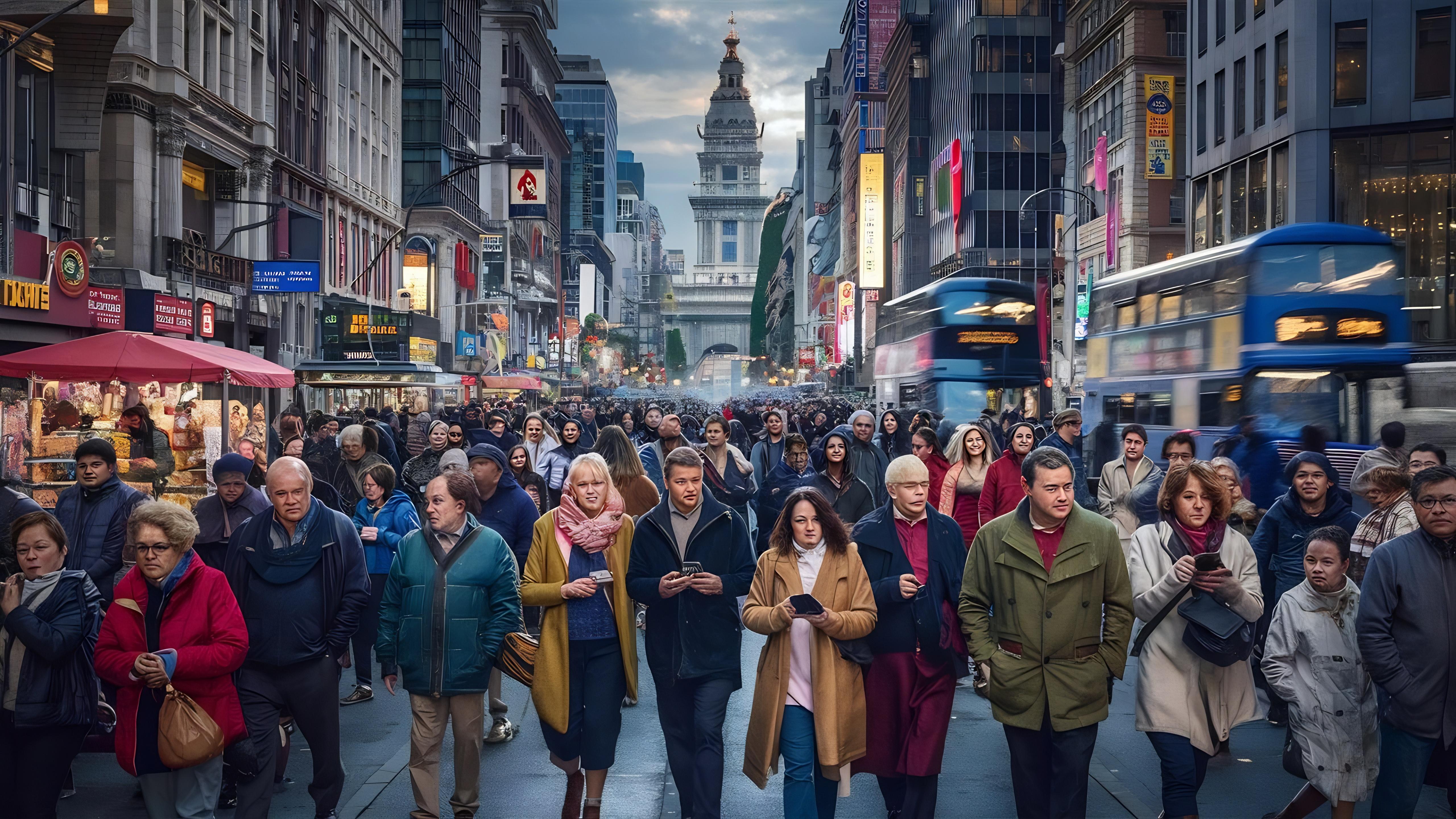
Walk a mile in New York and you move through mini worlds: Spanish on one block, Mandarin and Cantonese on the next, then Russian, Arabic, Bengali, and Haitian Creole. For captioning providers, this isn’t just a fun fact – it changes how quality is defined. A one-size-fits-all English caption track is no longer enough for city agencies, hospitals, or media companies trying to reach everyone in their audience.
Out-of-the-box captioning strategies for New York include building hyper-local glossaries: slang and everyday terms used in Washington Heights vs. Sunset Park vs. Flushing. The same Spanish word choice may feel natural and respectful in one community but distant or confusing in another. Treating captions as “local content” rather than generic text helps brands and public institutions sound like they actually belong in the neighborhoods they’re serving.
1. Understand the Diverse Audience in New York
New York is a melting pot of cultures, with over 200 languages spoken within the city. Whether you’re creating content for marketing campaigns, social media, or media productions, it’s essential to understand who your audience is and how their linguistic needs can affect their interaction with your content.
Key Considerations:
Language Preferences: New York’s most spoken languages include English, Spanish, Chinese, Russian, and Haitian Creole. Depending on the demographics of your target audience, you’ll need to provide captions in the most relevant languages. However, make sure you don’t overlook smaller linguistic communities.
Cultural Sensitivity: Different cultures have unique expressions, idioms, and dialects. When creating multilingual captions, it’s important that the content feels local and natural, respecting cultural nuances.
Tip: Research the primary language needs of your target audience to tailor your captioning strategy effectively. For instance, Spanish captions may be essential for Hispanic communities, while Mandarin might be needed for the Chinese-speaking demographic.
2. Hire Professional Translators and Captioning Services
Captions are not only about translating text; they must convey the exact tone, message, and emotion of the original content. Poorly translated or generic captions can alienate audiences and damage the credibility of your brand. To ensure high-quality captions for multilingual audiences, hire professional translators and captioning services in NYC that specialize in the nuances of different languages and cultures.
Why Choose Professionals?
Accuracy and Quality: Professional translators understand the complexities of language and are familiar with regional dialects and idioms. This ensures the translations are both accurate and relevant to the audience.
Consistency in Style: Professional captioning services maintain a consistent tone and style across all languages, helping preserve the integrity of the brand’s message.
Compliance: Certain regions, including New York, have legal requirements for accessibility (e.g., closed captioning for television broadcasts). Professionals will help you adhere to local regulations.
Tip: Opt for captioning services that offer native-speaking translators. They will ensure that your content doesn’t just get translated but is culturally appropriate for the target audience.
3. Maintain Synchronized Captioning
One of the most important aspects of captioning is timing. Captions should synchronize seamlessly with the audio, ensuring that viewers can follow along without difficulty. This becomes even more crucial when you’re catering to multilingual audiences. Misaligned captions can confuse viewers, reducing the impact of your content.
Why Synchronization Matters:
Viewer Engagement: Misaligned captions may lead to disengagement, particularly if viewers struggle to read the captions at the correct time or if they miss important information.
Clarity of Message: Accurate synchronization ensures that the audience understands the message at the right moment, without the distraction of trying to match text to speech.
Tip: Utilize high-quality captioning software and work with professional captioners who can guarantee precise synchronization across all languages.
4. Optimize Caption Length and Readability
In New York, you may encounter a diverse range of reading speeds, literacy levels, and viewing environments. For instance, captions that are too long may be hard for viewers to read quickly, while short captions may miss out on providing enough information. Ensuring that your captions are easy to read and digest is essential for accessibility and engagement.
Key Tips for Readability:
Keep Captions Concise: Aim for two lines of text at most, and avoid overloading each line. This ensures viewers can read the captions quickly without feeling rushed.
Font Size and Style: Choose a legible font size that can be easily read on various screen sizes, especially for viewers watching on mobile devices. The font should also be clear, with no excessive flourishes.
Background Contrast: Captions should stand out from the background without being distracting. Opt for high contrast between the text and the background, making sure the caption is visible in different lighting conditions.
Tip: Test your captions with a small focus group from your target audience to ensure readability and clarity across various devices.
5. Implement Interactive and Customizable Features
In addition to basic captioning, consider adding interactive and customizable features that can enhance the viewer experience. Interactive captions allow users to choose their preferred language, adjust the size of the text, or even toggle captions on or off. These features are particularly useful for multilingual audiences who may have different preferences.
Why Interactive Features Are Important:
Personalized Experience: Viewers can select captions in their native language, or adjust the text size for improved legibility.
Increased Accessibility: By offering multiple options, you cater to viewers with different needs, including those with hearing impairments or those who speak multiple languages.
User Engagement: Providing more options leads to better engagement as viewers feel more in control of their experience.
Tip: Invest in video players or platforms that allow for the integration of these interactive features, offering your audience a customizable and user-friendly viewing experience.
6. Perform Quality Assurance and Testing
Before launching your content to a multilingual audience, it’s crucial to test your captions and ensure they meet quality standards. Quality assurance (QA) checks can prevent errors that might go unnoticed during the translation or captioning process. These checks should cover both the accuracy of translation and the technical aspects of captioning.
QA Checklist:
Translation Accuracy: Are all languages translated correctly, with no grammatical errors?
Synchronized Timing: Are the captions in sync with the video content?
Cultural Sensitivity: Are any cultural references or idioms translated appropriately?
Technical Quality: Are the captions visible and readable on all devices and screen sizes?
Tip: Conduct testing with individuals who are fluent in the languages you are using for captions to ensure the highest quality.
7. Utilize Technology to Improve Efficiency
With advancements in technology, there are now various tools and software available to help streamline the captioning process. AI-powered tools can assist with initial translations, though human intervention is still necessary for ensuring cultural accuracy and emotional tone. These tools can help increase efficiency and reduce costs, but it’s important to balance technology with human oversight.
Benefits of Technology in Captioning:
Speed: Automated tools can generate captions quickly, reducing turnaround times.
Cost-Effective: AI tools can be more affordable than traditional manual captioning methods.
Scalability: If you’re creating content in multiple languages, technology can help scale captioning efforts across various markets.
Tip: Always have human experts review AI-generated captions to maintain quality and cultural relevance.
8. Monitor Feedback and Continuously Improve
Once your multilingual captions are live, it’s important to monitor feedback and continue improving. Viewer feedback can provide valuable insights into the effectiveness of your captions, and tracking data on caption usage can help identify areas for improvement.
Ways to Gather Feedback:
Surveys: Send out post-viewing surveys to gauge viewer satisfaction with the captions.
Analytics: Track the number of viewers utilizing captions in different languages and whether they engage more with the content as a result.
Social Media Feedback: Monitor comments and messages on social platforms to see if there are complaints or positive feedback regarding the captions.
Tip: Regularly update your captions based on user feedback and new cultural insights to ensure that they stay relevant and effective.
Capturing Code-Switching and New York Slang on Screen
New Yorkers don’t speak in clean textbook sentences – they jump between languages, dialects, and slang in the same breath. A typical podcast or YouTube video recorded in the city might include a bit of Puerto Rican Spanish, African American Vernacular English, Caribbean English, and mainstream American English all mixed together.
Traditional captioning often “flattens” this into neutral English, erasing identity and humor. High-quality captioning for multilingual New York audiences does the opposite – it preserves code-switching intentionally. That can include:
- Keeping key words in the original language, with a short note only when needed
- Avoiding over-explaining jokes or slang and instead letting the rhythm stay intact
- Marking tone and emphasis that matter to the punchline
This way, captions don’t just tell people what was said – they show how New Yorkers actually speak.
Conclusion
As New York’s multilingual audience continues to grow, ensuring high-quality, culturally relevant captioning becomes increasingly vital for businesses, marketing teams, and media companies. By understanding your audience, hiring professional services, ensuring proper synchronization, and utilizing technology effectively, you can create captions that not only meet legal and accessibility standards but also enhance viewer engagement.
By focusing on these best practices, you’ll be able to craft a more inclusive and accessible content experience for your global audience, boosting brand loyalty and ensuring that your message resonates across linguistic and cultural boundaries.
In today’s competitive market, taking the time to ensure high-quality captioning is not just a compliance requirement—it’s a smart business strategy that can set your brand apart and foster a stronger connection with diverse audiences in New York and beyond.
Related Blogs
Quick picks you might like next