

Key Takeaways
- Language barriers create safety risks and reduce visitor enjoyment; multilingual translation ensures that signs, safety instructions, emergency procedures, and permit rules are understood.
- Providing translated materials across the visitor journey (websites, entrance signs, maps, audio guides, QR content) makes parks more accessible and inclusive for international tourists, families, and visitors with diverse needs.
- Accurate translation supports conservation and education by conveying Leave No Trace principles, wildlife protection rules, cultural heritage, and interpretive content so visitors act responsibly and appreciate local history.
- Multilingual digital content and translated marketing materials expand international tourism reach, improve visitor satisfaction, and help destinations attract and inform global audiences effectively.
- Professional, subject-expert translation (with quality assurance, terminology management, and multimedia support) is essential—automated tools alone are insufficient; parks should choose experienced translation partners.
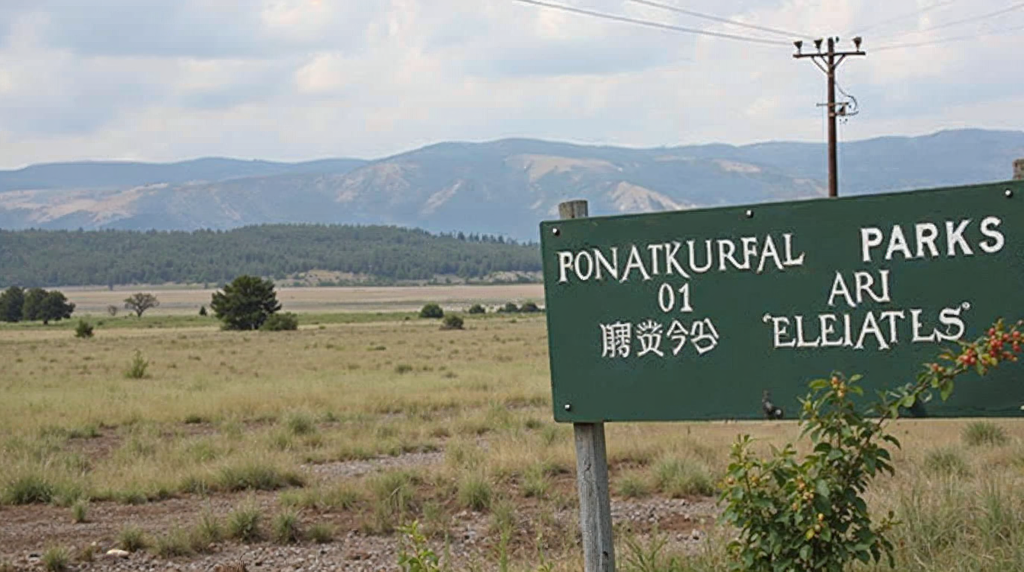
National parks are among the world’s most treasured destinations, attracting millions of visitors every year. From breathtaking mountain ranges and dense forests to protected wildlife reserves and scenic hiking trails, these parks offer unforgettable experiences for travelers from around the globe. However, as international tourism continues to grow, one challenge remains constant: language barriers.
Visitors who cannot understand park signs, safety instructions, educational materials, or visitor center resources may struggle to enjoy their trip fully. More importantly, misunderstanding critical information can create safety risks and negatively affect conservation efforts.
This is where multilingual translation services play an essential role. By making park information accessible in multiple languages, national park authorities and tourism departments can create safer, more welcoming, and more educational experiences for every visitor.
H2: Multilingual Trails Create Safer and More Inclusive Park Experiences
National Parks and Recreation Month is a perfect time to highlight how language access can turn a simple park visit into a safer, richer, and more welcoming experience. Visitors may arrive with different languages, cultures, mobility needs, and travel expectations, but every person should understand trail rules, wildlife warnings, emergency instructions, permit details, and conservation messages. Multilingual translation services help parks move beyond basic signage by supporting translated maps, audio guides, QR-based visitor information, safety alerts, children’s activity sheets, and eco-tourism materials. This is especially valuable for international tourists and multilingual families exploring national parks together. When important information is available in the visitor’s preferred language, they are more likely to follow safety guidelines, respect protected spaces, and connect emotionally with the park’s story. Translation does not just explain directions; it helps protect people, preserve nature, and make outdoor recreation feel open to everyone.
Why Language Accessibility Matters in National Parks
National parks are designed for everyone, regardless of where they come from or what language they speak. International visitors often travel long distances to experience iconic parks, yet many encounter communication challenges immediately after arriving.
Common obstacles include:
- Park entrance information
- Trail maps
- Safety regulations
- Wildlife warnings
- Emergency instructions
- Camping guidelines
- Educational exhibits
- Visitor center brochures
When important information is available only in one language, visitors may unintentionally violate park regulations, become lost, or misunderstand environmental protection guidelines.
Providing professionally translated content helps eliminate these issues while creating a more enjoyable visitor experience.
The Rise of International Nature Tourism
Nature tourism has become one of the fastest-growing segments of global travel. Millions of international travelers seek outdoor adventures that include:
- National parks
- Wildlife reserves
- Protected forests
- Hiking destinations
- Geological landmarks
- Marine parks
- Desert conservation areas
- Mountain recreation areas
As tourism departments invest more in attracting global visitors, multilingual communication becomes an essential part of destination management.
Travelers are far more likely to recommend destinations where they feel informed, welcomed, and safe throughout their visit.
Creating a Better Visitor Experience Through Translation
Visitors appreciate destinations that make navigation simple and information easy to understand.
Professional translation helps parks provide clear communication across every stage of the visitor journey.
Before Arrival
International visitors often research parks before planning their trip.
Useful translated resources include:
- Official websites
- Reservation systems
- Camping information
- Entrance fees
- Seasonal updates
- Accessibility information
- Transportation guides
When travelers can understand these details before arriving, they can prepare properly and avoid unnecessary confusion.
At Park Entrances
The entrance station is often a visitor’s first interaction with park staff.
Professionally translated materials may include:
- Welcome signs
- Park rules
- Permit information
- Visitor maps
- Hours of operation
- Parking instructions
Providing these materials in multiple languages immediately creates a positive first impression.
Improving Safety with Multilingual Communication
Safety is one of the most important responsibilities of every national park.
Visitors must understand warnings related to:
- Dangerous wildlife
- Steep cliffs
- Flash floods
- Avalanche zones
- Volcanic activity
- Extreme weather
- Fire restrictions
- Emergency evacuation procedures
Poorly translated warnings can lead to misunderstandings with serious consequences.
Professional translators ensure that safety information remains accurate, culturally appropriate, and easy to understand without changing its intended meaning.
Supporting Environmental Conservation
National parks exist to protect natural ecosystems and wildlife.
Visitors play an important role in conservation by following park guidelines.
Translated conservation materials help explain:
- Leave No Trace principles
- Wildlife protection rules
- Waste disposal requirements
- Water conservation
- Protected plant species
- Trail preservation
- Campfire regulations
- Recycling procedures
When visitors clearly understand why these rules exist, they are more likely to respect them throughout their visit.
Making Educational Programs Accessible
Many parks offer educational experiences that teach visitors about:
- Local ecosystems
- Wildlife habitats
- Indigenous history
- Geological formations
- Climate science
- Cultural heritage
- Conservation research
Educational exhibits become significantly more valuable when available in multiple languages.
Translation allows international visitors to gain the same educational benefits as local guests, encouraging a deeper appreciation for the park’s natural and cultural significance.
Supporting Guided Tours and Visitor Centers
Visitor centers are central hubs where guests receive information and assistance.
Translation services improve communication for:
- Information panels
- Museum exhibits
- Interactive displays
- Audio guides
- Tour brochures
- Park newsletters
- Frequently asked questions
- Event schedules
Providing multilingual materials reduces confusion while allowing staff to serve more visitors efficiently.
Helping Families Travel More Comfortably
Families visiting national parks often include members with different language abilities.
Children, grandparents, and first-time travelers benefit from clearly translated information that helps them understand:
- Family-friendly trails
- Picnic areas
- Restroom locations
- Playground facilities
- Visitor services
- Medical assistance
- Shuttle transportation
- Accessibility features
Easy-to-understand communication helps families enjoy their visit with greater confidence.
Supporting International Tourism Campaigns
Tourism departments frequently promote national parks in overseas markets.
Marketing materials often include:
- Destination guides
- Digital advertisements
- Social media campaigns
- Travel brochures
- Visitor magazines
- Promotional videos
- Email campaigns
- Tourism websites
Professional translation helps preserve the intended message while adapting content for different cultural audiences.
This allows tourism organizations to reach potential visitors more effectively across global markets.
Building Trust Through Accurate Communication
Travelers naturally place greater trust in destinations that provide clear information.
Professionally translated content demonstrates that park authorities value every visitor regardless of language.
Trust increases when visitors can easily understand:
- Rules
- Directions
- Emergency contacts
- Visitor policies
- Service information
- Accessibility resources
This confidence contributes to higher visitor satisfaction and stronger international tourism reputations.
Essential National Park Materials That Benefit from Translation
National parks produce a wide variety of documents requiring accurate translation.
These include:
- Visitor guides
- Trail maps
- Park brochures
- Safety manuals
- Wildlife information
- Conservation policies
- Educational booklets
- Event programs
- Park regulations
- Emergency response guides
- Volunteer manuals
- Training materials
- Visitor surveys
- Annual reports
- Research publications
- Environmental studies
- Digital content
- Mobile applications
Maintaining consistency across these resources ensures visitors receive reliable information throughout their journey.
Why Professional Translation Matters More Than Automated Tools
Automated translation tools may appear convenient, but they often struggle with:
- Environmental terminology
- Scientific names
- Cultural references
- Regional expressions
- Safety instructions
- Legal notices
- Conservation language
Even small wording mistakes can confuse visitors or reduce the effectiveness of important messages.
Professional translators understand subject-specific terminology and ensure every translation reflects the original intent accurately.
Preserving Cultural Heritage
Many national parks protect more than natural landscapes.
They also preserve:
- Indigenous traditions
- Historic landmarks
- Archaeological sites
- Cultural stories
- Traditional place names
- Local history
Translation allows international visitors to appreciate these cultural elements while respecting their historical significance.
It also helps protect indigenous knowledge by presenting it accurately and respectfully to global audiences.
Making Digital Experiences More Inclusive
Today’s travelers rely heavily on digital resources throughout their trip.
Many parks now offer:
- Mobile applications
- Interactive maps
- Online reservations
- Visitor notifications
- Digital guidebooks
- Self-guided tours
- QR code information
- Virtual exhibits
Providing multilingual digital content improves accessibility while helping visitors navigate parks more independently.
Supporting Sustainable Tourism
Sustainable tourism depends on informed visitors.
When travelers understand conservation practices, they are more likely to:
- Stay on designated trails
- Protect wildlife
- Reduce litter
- Follow fire regulations
- Respect restricted areas
- Preserve natural habitats
Translation contributes directly to sustainability by ensuring environmental messages are understood across diverse visitor groups.
Choosing the Right Translation Partner
National park authorities should look for translation providers that offer:
- Native-language professionals
- Environmental subject expertise
- Consistent terminology management
- Quality assurance processes
- Support for multiple file formats
- Website localization
- Multimedia translation
- Fast turnaround times
- Confidential handling of documents
- Scalability for large tourism projects
A reliable translation partner helps maintain consistency across all communication channels while supporting long-term visitor engagement.
Preparing National Parks for a Global Audience
As international tourism continues expanding, multilingual communication is no longer optional for national parks seeking to serve visitors from around the world.
Professional translation helps create welcoming environments where travelers can safely explore natural landscapes, understand conservation efforts, and connect with local history and culture. From entrance signs and educational exhibits to websites and emergency instructions, every translated resource contributes to a more accessible and enjoyable visitor experience.
By investing in high-quality multilingual translation services, national park authorities and tourism departments can strengthen visitor satisfaction, improve safety, encourage responsible tourism, and showcase the beauty of their protected landscapes to audiences across the globe. Breaking language barriers ultimately allows more people to appreciate, respect, and help preserve the world’s most remarkable natural treasures for future generations.