
Key Takeaways
- Nowruz, meaning 'new day' in Persian, marks the beginning of spring and the Persian New Year, celebrated for over 3,000 years across various regions and recognized by UNESCO as an Intangible Cultural Heritage.
- Multilingual communication is crucial for preserving cultural authenticity and ensuring that traditions such as Haft-Seen and Sizdah Bedar are accurately conveyed to diverse audiences.
- For Iranian diaspora communities, multilingual resources help bridge generational gaps, ensuring cultural knowledge is preserved and passed down effectively.
- Translation services play a vital role in enhancing public celebrations of Nowruz, increasing inclusivity and attendance at events by providing multilingual marketing materials and live interpretation.
- Culturally sensitive translation is essential for accurately representing the emotional and spiritual significance of Nowruz, promoting intercultural dialogue and fostering mutual understanding in multicultural settings.
Nowruz, meaning “new day” in Persian, marks the beginning of spring and the Persian New Year. Celebrated for over 3,000 years, Nowruz is deeply rooted in the cultural traditions of Iran and is widely observed across Central Asia, the Middle East, the Caucasus, South Asia, and increasingly in multicultural societies around the world. Recognized by UNESCO as an Intangible Cultural Heritage of Humanity, Nowruz is more than a holiday—it is a celebration of renewal, unity, and hope.
As Iranian communities and cultural organizations expand across borders, and as global travelers and students seek meaningful cultural experiences, multilingual communication plays a crucial role in preserving and sharing the spirit of Nowruz. Translating cultural traditions effectively ensures that this ancient celebration continues to thrive in diverse, international settings.
This blog explores how multilingual services enhance the global celebration of Nowruz and why culturally sensitive translation is essential for Iranian communities, organizations, and multicultural audiences worldwide.
H2: Language and the Future of Eid Celebrations
As the world becomes more connected, Eid Al-Fitr is evolving into a truly global celebration. The rise of multicultural cities and digital platforms means that the role of translation and multilingual communication is crucial for fostering inclusivity.
With advancements in technology, real-time translation tools may soon allow Eid celebrations to be shared globally, breaking down language barriers instantly. Social media could enable virtual gatherings where families from different cultures come together.
While AI-powered translation tools will enhance accessibility, human translators will remain essential to preserve the cultural and spiritual nuances of Eid, ensuring its message of unity and compassion is accurately conveyed.
Understanding the Cultural Significance of Nowruz
Nowruz falls on the vernal equinox, usually on March 20 or 21, marking the first day of spring. Rooted in Zoroastrian traditions, it symbolizes rebirth, renewal, and the triumph of light over darkness. Today, it is celebrated by millions of people regardless of religious background.
Key traditions include:
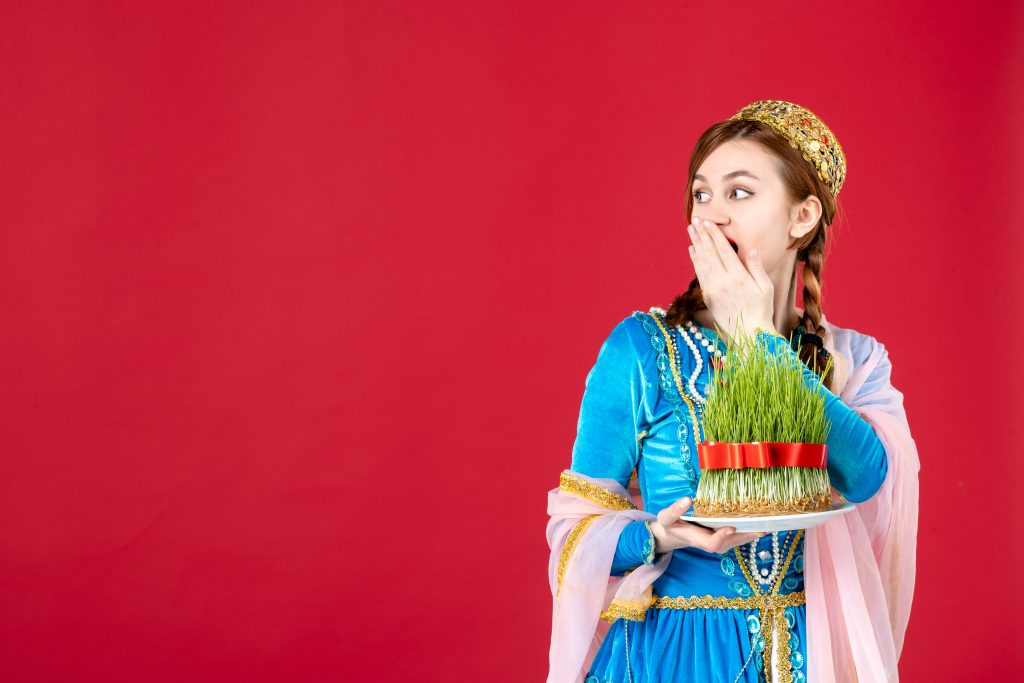
- Haft-Seen Table: A ceremonial table set with seven symbolic items beginning with the Persian letter “S” (Sabzeh, Samanu, Senjed, Seer, Seeb, Somaq, Serkeh), each representing themes like health, prosperity, love, and patience.
- Spring Cleaning (Khaneh Tekani): A deep cleaning of the home before the New Year.
- Chaharshanbe Suri: A fire-jumping festival held on the last Wednesday before Nowruz.
- Family Gatherings and Visits: Exchanging gifts, sweets, and well wishes.
- Sizdah Bedar: Spending the thirteenth day of the New Year outdoors to ward off bad luck.
As Nowruz celebrations extend to countries such as the United States, Canada, Germany, the UK, Australia, and beyond, sharing these traditions with non-Persian-speaking audiences requires thoughtful translation and localization.
Why Multilingual Services Matter for Nowruz
1. Preserving Cultural Authenticity
Language carries cultural nuance. Translating terms like “Haft-Seen” or “Chaharshanbe Suri” is not simply about converting words into another language—it’s about conveying meaning, symbolism, and emotional depth.
For example:
- “Sabzeh” is more than “sprouts”; it represents rebirth and growth.
- “Sizdah Bedar” is not just a picnic day; it symbolizes releasing negativity and welcoming positivity.
When organizations require translation services for cultural materials, ensuring that these cultural elements are accurately explained rather than oversimplified becomes critical. This is especially important for cultural organizations preparing bilingual brochures, event programs, museum exhibits, or educational materials.
2. Supporting Iranian Diaspora Communities
For Iranian families living abroad, Nowruz is a way to maintain connection with heritage and identity. However, second- and third-generation youth may be more fluent in the dominant language of their country than in Persian.
Multilingual resources help bridge this generational gap:
- Bilingual storybooks explaining Nowruz traditions
- Subtitled cultural documentaries
- Translated poetry by Hafez or Rumi
- Educational materials for schools and universities
By making content accessible in multiple languages, communities ensure that cultural knowledge is preserved and passed down effectively.
Enhancing Cultural Events and Public Celebrations
Many cities with diverse populations host public Nowruz festivals featuring music, dance, art, and traditional cuisine. These events often attract global travelers, international students, and members of multicultural societies.
The Role of Translation in Event Success
For large-scale celebrations, multilingual services contribute to:
- Event marketing materials: Posters, social media posts, websites
- Press releases: Engaging local and international media
- Event signage: Clear directions and program descriptions
- Stage announcements: Live interpretation services
- Safety and accessibility information: Ensuring compliance and inclusivity
Providing information in multiple languages not only increases attendance but also demonstrates inclusivity and respect for diverse audiences.
For example, a Nowruz festival in Toronto or London may include English, Persian, French, or Arabic materials. In Germany, event organizers may add German translations. This strategic localization allows cultural organizations to reach broader audiences while maintaining authenticity.
Academic and Educational Outreach
Nowruz is increasingly recognized in academic institutions worldwide. Universities host cultural panels, workshops, and exhibitions to educate students about Persian history and traditions.
Translation in Academic Settings
Students and researchers benefit from:
- Translated historical texts
- Bilingual academic papers
- Multilingual lecture materials
- Interpreted panel discussions
Accurate translation ensures that the historical and philosophical roots of Nowruz are understood within their proper context. For international students unfamiliar with Persian culture, well-translated resources make learning accessible and engaging.
Moreover, schools that celebrate Nowruz in multicultural classrooms rely on translated educational materials to foster inclusivity and cross-cultural understanding.
Tourism and Global Travel During Nowruz
Nowruz also influences global travel patterns. Many travelers visit Iran or other Nowruz-celebrating countries during the holiday season to experience cultural festivities firsthand.
Multilingual Services in the Travel Industry
Tourism boards, travel agencies, and hospitality providers benefit from professional translation in:
- Travel guides
- Hotel brochures
- Cultural experience descriptions
- Museum exhibits
- Transportation information
- Visa and travel documentation
Clear multilingual communication enhances visitor experience, builds trust, and reduces misunderstandings.
For travelers visiting Iran, multilingual signage and translated historical site descriptions help deepen appreciation for cultural heritage. Conversely, Iranian travelers celebrating Nowruz abroad benefit from services available in Persian, ensuring comfort and accessibility.
Digital Media and Social Platforms: Expanding the Global Reach
Social media has amplified Nowruz’s global visibility. Hashtags, online campaigns, and virtual events connect communities across continents.
Localization in Digital Content
Organizations aiming to reach international audiences must consider:
- Website localization
- SEO-optimized multilingual blog content
- Subtitled video content
- Translated social media posts
- Email marketing campaigns
For example, a cultural organization promoting a Nowruz webinar may need professional translation services to create Persian, English, and possibly Spanish or French versions of promotional materials.
Localized digital content improves engagement, increases accessibility, and strengthens community ties worldwide.
The Importance of Cultural Sensitivity in Translation
Not all translations are equal. Nowruz carries emotional, spiritual, and historical significance. Poor or literal translations risk misrepresenting traditions or diminishing their meaning.
Key Considerations for Culturally Accurate Translation
- Contextual Understanding: Translators must understand the cultural background of Nowruz traditions.
- Terminology Preservation: Some Persian terms should remain untranslated but accompanied by clear explanations.
- Tone and Respect: The celebratory and hopeful tone must be preserved.
- Audience Awareness: Materials for children differ from academic audiences or tourists.
Professional linguists with cultural expertise ensure that translation enhances rather than dilutes the celebration’s spirit.
Promoting Intercultural Dialogue
Nowruz has become a symbol of multicultural harmony. In many cities, celebrations are attended by people from diverse backgrounds, fostering mutual understanding.
Multilingual services help:
- Encourage participation from non-Persian communities
- Facilitate cross-cultural collaborations
- Promote cultural diplomacy
- Strengthen relationships between local governments and Iranian communities
By removing language barriers, translation fosters inclusion and mutual respect, much like we’ve seen with initiatives focused on spreading Jewish traditions globally.
Business and Corporate Engagement
As global companies embrace diversity initiatives, many organizations acknowledge cultural holidays such as Nowruz in their workplace environments.
Corporate Communication and Nowruz
Multilingual communication supports:
- Internal newsletters celebrating Nowruz
- Diversity and inclusion campaigns
- Multicultural employee resource groups
- Corporate greetings in multiple languages
Accurate translations ensure that recognition efforts feel genuine and respectful, strengthening workplace inclusion.
Media Coverage and International Recognition
Global news outlets increasingly cover Now