
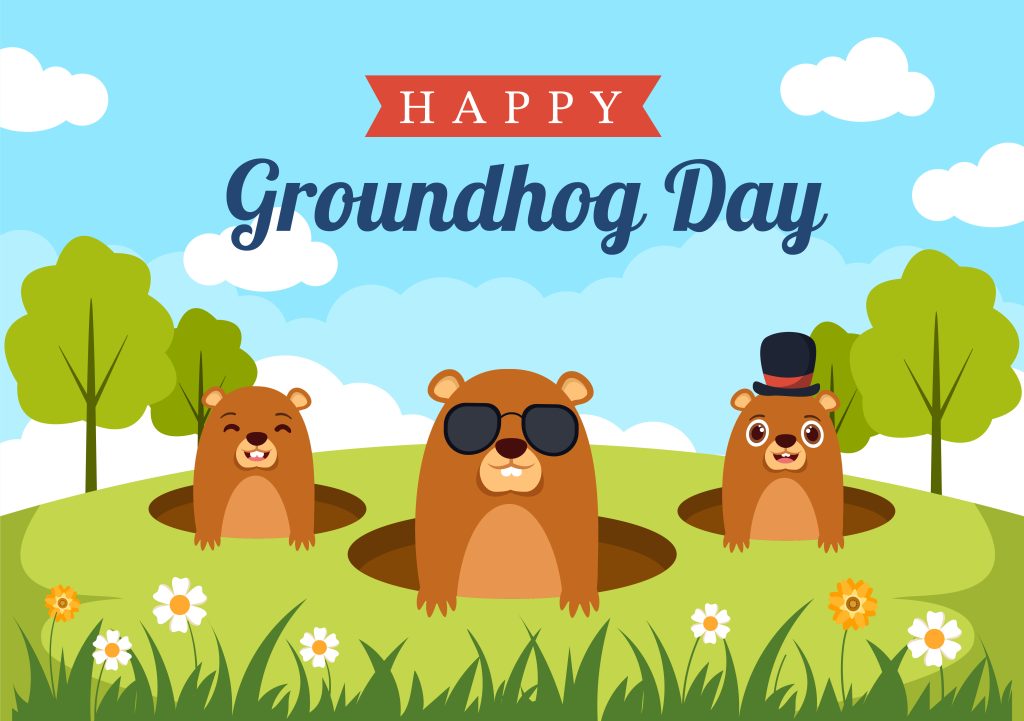

Every culture has its own way of reading the signs of nature. From observing animal behavior to tracking seasonal patterns, humans have long relied on traditions to predict weather, mark time, and bring communities together. One such tradition, Groundhog Day, may be rooted in North America, but its spirit of seasonal forecasting and folklore resonates across the globe.
While the groundhog itself may not be found everywhere, the idea behind Groundhog Day—predicting the arrival of spring—exists in many cultures worldwide. This blog explores how Groundhog Day originated, how it’s celebrated today, and how similar traditions are observed in different countries, offering fascinating insights for cultural enthusiasts, historians, event planners, and international travelers alike.
“If Groundhog Day Were Translated…” (Cultural Translation Lens)
Groundhog Day doesn’t translate literally in many cultures—so what would it become?
If Groundhog Day were translated for different cultures, the groundhog wouldn’t always survive the translation. In some regions, the animal changes, the meaning shifts, and the message adapts to local beliefs about nature, time, and fate.
- Germany → The groundhog becomes a hedgehog or badger (closer to folklore)
- Japan → Reimagined as a seasonal omen day, tied to plum blossoms and shifting temperatures
- India → The animal disappears entirely, replaced by astrological indicators and solar cycles
- Nordic countries → A symbolic return of light, not weather prediction
This subtly connects to localization vs literal translation without sounding salesy.
Weather Myths That Predate Groundhog Day (Ancient Origins Section)
Before Groundhog Day, Humans Trusted These Signs
- Ancient Rome – Watching hedgehogs for shadow signs
- Celtic cultures – Imbolc marked the halfway point of winter
- Chinese traditions – Solar terms like Lìchūn (Start of Spring)
- Mesoamerican cultures – Agricultural calendars tied to sun position
Groundhog Day isn’t a quirky American invention—it’s the modern echo of a global human instinct: predicting survival through seasons.
Understanding Groundhog Day: Origins and Meaning
Groundhog Day is celebrated annually on February 2, most famously in Punxsutawney, Pennsylvania, where a groundhog named Punxsutawney Phil predicts whether winter will continue.
According to tradition:
- If the groundhog sees its shadow, winter will last six more weeks.
- If it does not see its shadow, an early spring is expected.
The tradition dates back to European weather lore, particularly from Germany, where farmers observed animals like hedgehogs and badgers to forecast seasonal changes. German immigrants brought this practice to North America in the 18th and 19th centuries, adapting it to the local groundhog.
At its core, Groundhog Day reflects:
- Humanity’s connection to nature
- Agricultural timing and seasonal awareness
- Community storytelling and folklore
Groundhog Day in the United States and Canada
United States: Punxsutawney and Beyond
In the U.S., Groundhog Day is both a cultural event and a media spectacle. The Punxsutawney Groundhog Club organizes a large festival with:
- Live music and parades
- Costumed ceremonies
- National and international media coverage
Other states have their own groundhogs, such as:
- Staten Island Chuck (New York)
- Buckeye Chuck (Ohio)
Each groundhog offers its own prediction, turning the day into a blend of tradition and lighthearted competition.
Canada: Wiarton Willie and Regional Celebrations
Canada celebrates Groundhog Day with similar enthusiasm. Wiarton Willie, an albino groundhog in Ontario, is the country’s most famous weather forecaster.
Canadian celebrations often include:
- Winter carnivals
- Local food festivals
- Family-friendly cultural events
For travelers, these celebrations provide a unique glimpse into North American winter folklore.
Europe’s Influence: Ancient Roots of Seasonal Forecasting
Germany: Candlemas and Animal Lore
Groundhog Day traces back to Candlemas (Lichtmess), celebrated on February 2 in Germany and other parts of Europe.
German folklore states:
“If the hedgehog sees its shadow on Candlemas, winter will last longer.”
Though hedgehogs—not groundhogs—were used, the symbolism remains the same. This tradition reflects:
- Agricultural planning
- Religious observances
- Deep-rooted seasonal awareness
United Kingdom and Ireland: Candlemas Weather Sayings
In the UK and Ireland, Candlemas also carries weather-related proverbs:
- “If Candlemas Day be fair and bright, winter will have another flight.”
- “If Candlemas Day be cloud and rain, winter is gone and will not come again.”
These sayings highlight how oral traditions preserved seasonal wisdom long before modern meteorology.
Asia: Festivals Marking Seasonal Transitions
While Groundhog Day itself is not celebrated in Asia, similar concepts of seasonal change are deeply embedded in cultural calendars.
China: Beginning of Spring (Lìchūn)
In the traditional Chinese calendar, Lìchūn, or the “Beginning of Spring,” occurs in early February.
Key features include:
- Observing wind patterns and temperatures
- Agricultural preparations
- Cultural rituals welcoming renewal
This aligns closely with Groundhog Day’s theme of anticipating seasonal change.
Japan: Setsubun
Japan celebrates Setsubun around February 3–4, marking the transition from winter to spring.
Traditions include:
- Bean-throwing ceremonies to drive away evil spirits
- Community and family gatherings
- Symbolic cleansing and renewal
For cultural historians, Setsubun offers a compelling parallel to Groundhog Day’s symbolic reset.
Latin America: Nature, Rituals, and Renewal
In many Latin American cultures, seasonal awareness is tied to agricultural cycles and indigenous traditions rather than animal-based predictions.
Andean Regions: Pachamama Rituals
In parts of Peru and Bolivia, communities honor Pachamama (Mother Earth) through offerings that reflect gratitude and seasonal change.
While not tied to February 2 specifically, these rituals emphasize:
- Harmony with nature
- Seasonal transitions
- Community participation
The shared theme with Groundhog Day is humanity’s desire to interpret and respect natural rhythms.
Africa: Seasonal Knowledge Through Oral Traditions
Across Africa, weather prediction traditionally relies on:
- Animal behavior
- Plant cycles
- Celestial observations
For example:
- In East Africa, bird migration patterns signal upcoming rains
- In West Africa, changes in vegetation guide planting seasons
Although these practices are less formalized into single-day celebrations, they reflect the same functional purpose as Groundhog Day—preparing communities for what lies ahead.
Modern Global Adaptations and Cultural Exchange
Groundhog Day Beyond Borders
With globalization and media influence, Groundhog Day has gained recognition outside North America. International schools, cultural centers, and expatriate communities now host:
- Educational programs
- Cultural exchange events
- Seasonal folklore discussions
Event planners often incorporate Groundhog Day themes into:
- Winter festivals
- Cultural heritage events
- Educational workshops
Pop Culture and Global Awareness
The 1993 film Groundhog Day further popularized the concept worldwide, introducing the tradition to audiences unfamiliar with the holiday. Today, the term “Groundhog Day” is widely understood as a metaphor for repetition—proof of the tradition’s global cultural impact.
Why These Traditions Matter for Travelers and Event Planners
For International Travelers
Understanding seasonal traditions like Groundhog Day enhances travel experiences by:
- Offering cultural context
- Encouraging participation in local festivals
- Deepening appreciation for regional folklore
Travelers visiting North America in early February can enjoy unique winter celebrations that blend humor, history, and community spirit.
For Event Planners
Groundhog Day-inspired events work well because they are:
- Family-friendly
- Culturally adaptable
- Thematically flexible
Planners can incorporate elements such as:
- Symbolic weather predictions
- Educational storytelling
- Cross-cultural comparisons
The Universal Language of Seasonal Traditions
Groundhog Day may feature a groundhog in a top hat, but its underlying message is universal. Across continents and centuries, humans have looked to nature for signs of hope, renewal, and change.
Whether it’s:
- A groundhog in Pennsylvania
- A hedgehog in Germany
- A solar term in China
- A ritual honoring the earth in the Andes
These traditions remind us that despite cultural differences, humanity shares a common curiosity about the natural world.
Final Thoughts: Translating Traditions Across Cultures
Groundhog Day is more than a quirky winter holiday—it’s part of a global tapestry of traditions that celebrate the changing seasons. For cultural enthusiasts, it offers a window into shared human beliefs. For historians, it reflects migration and adaptation. For event planners and travelers, it provides inspiration for meaningful, engaging experiences.
As we continue to share stories across borders, traditions like Groundhog Day show us that culture, much like language, is meant to be translated—not just literally, but thoughtfully and respectfully.