
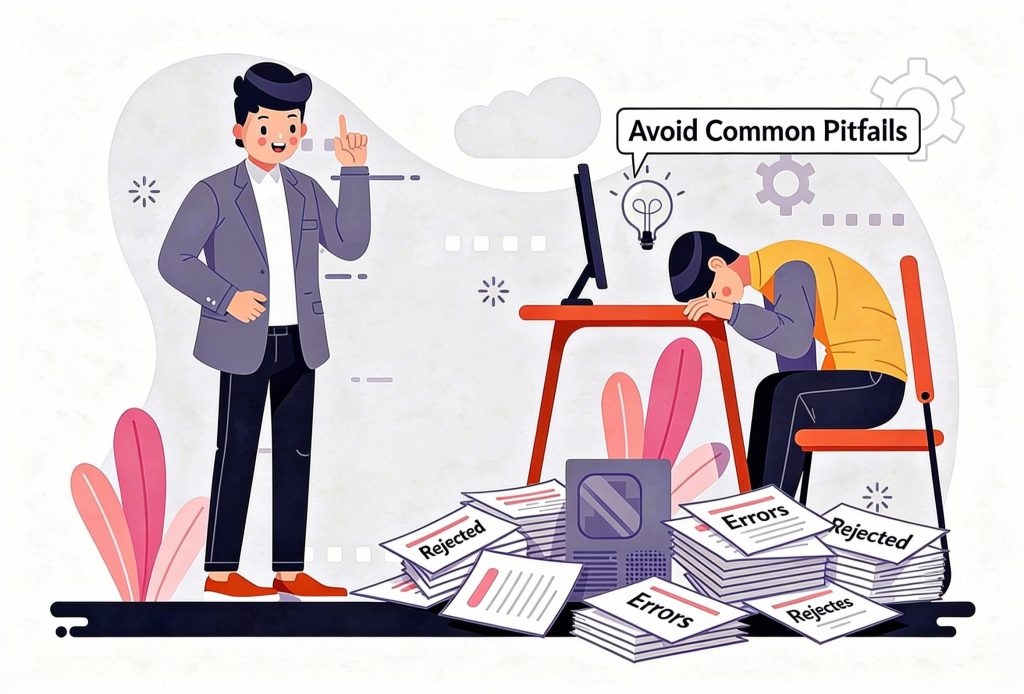

In the legal industry, precision, accuracy, and adherence to local regulations are paramount. Legal transcription plays an essential role in ensuring that all recorded statements, proceedings, and testimonies are accurately captured in written form. In New York City, legal professionals must ensure that their transcription services meet both legal and industry standards. However, many fall short of these requirements, often due to common pitfalls that are easily avoidable with a little attention to detail.
Whether you are a legal professional seeking transcription services or a transcription service provider working with legal teams in NYC, understanding the local legal requirements is crucial. This blog will walk you through how to ensure your legal transcription meets NYC standards and highlight the key mistakes to avoid along the way.
“NYC Standards” isn’t one thing—the 3-lane reality
NYC legal transcription standards vary by venue:
-
NYS Unified Court System (state courts): transcript formatting is governed under 22 NYCRR Part 108 (page/line format rules, etc.).
-
NYSCEF e-filing: even a perfect transcript can get rejected if the file doesn’t meet PDF/A + technical upload specs.
-
Federal courts (SDNY/EDNY): transcript ordering + procedures differ, and redaction expectations can be stricter/timed.
The Importance of Accurate Legal Transcription
Legal transcription involves transcribing audio recordings or video recordings of court hearings, depositions, witness testimonies, and other legal proceedings into written documents. These documents serve as official records for the court or legal system and can be used as evidence in future legal proceedings. Given the significant implications of these transcriptions, it is critical that they are accurate and precise.
For legal professionals in New York City, these records must adhere to strict standards not only to maintain the integrity of the case but also to comply with state and local laws. Any error in transcription can lead to delays in proceedings, misinterpretations of testimony, and, in some cases, legal malpractice.
Key Standards for Legal Transcription in NYC
New York City has its own set of regulations that govern legal documentation and transcription. These regulations are designed to ensure that all legal documents are clear, understandable, and admissible in court. Below are the main standards and guidelines you should be aware of when seeking or providing legal transcription services in NYC:
- Accuracy and Precision: Legal transcription must be word-for-word, capturing every word, hesitation, and nuance accurately. This is important because even small changes in wording can alter the meaning of a statement. Inaccurate transcription can lead to disputes, delays, or legal consequences.
- Court Standards for Formatting: In New York City, there are specific formatting rules for legal transcriptions. For example, transcripts of court hearings typically follow a standard format, including page numbers, speaker identification, timestamps, and specific spacing. Different types of transcriptions may have varying formatting requirements, so it’s essential to understand the specific needs for each document.
- Confidentiality and Data Security: Given the sensitive nature of legal materials, ensuring that the transcription process adheres to strict confidentiality standards is crucial. Transcriptions should only be accessible to authorized individuals, and sensitive information should be protected throughout the entire transcription process. New York City lawyers and transcriptionists must be mindful of these rules to comply with both state law and ethical standards.
- Timeliness: Legal transcription must be completed promptly to ensure that legal proceedings are not delayed. Transcription services should adhere to strict timelines, ensuring that the transcription is delivered in the time frame agreed upon by both the legal professional and the client.
- Specialized Legal Terminology: Legal transcriptionists in NYC must be familiar with specialized legal terminology and jargon. Transcriptionists should be able to recognize and accurately transcribe terms related to different areas of law (e.g., criminal law, family law, corporate law). This requires ongoing education and familiarity with the evolving legal lexicon.
- Accurate Speaker Identification: In legal transcription, speaker identification is crucial, especially when multiple people are involved in a legal proceeding. It is important to correctly identify who is speaking, whether it is a judge, attorney, witness, or defendant. Misidentifying speakers can cause confusion and undermine the credibility of the transcript.
Common Pitfalls in Legal Transcription and How to Avoid Them
Even though legal transcription is essential for the smooth operation of legal processes, it is not without its challenges. Many legal transcriptionists and law firms fall victim to common pitfalls that can compromise the accuracy and quality of the final transcript. Below are some of the most frequent mistakes made in legal transcription and tips on how to avoid them:
1. Lack of Attention to Detail
Pitfall: A minor error or omission can have significant consequences in the legal world. Failure to pay close attention to details, such as mishearing legal terms or missing crucial parts of a statement, can lead to errors that change the meaning of a record.
Solution: Always double-check transcriptions for accuracy. If you are unsure of a word or term, research it or ask for clarification. Utilize technology, like transcription software with audio playback features, to help identify potential errors.
2. Incorrect Formatting
Pitfall: Different courts, law firms, and legal proceedings may have specific formatting requirements that must be followed. Incorrect formatting can result in rejection or delays in legal proceedings.
Solution: Familiarize yourself with local court rules regarding legal transcription formatting. Be sure to include elements such as page numbers, timestamps, and speaker identification. Many courts offer specific formatting templates or guidelines that can be followed.
3. Failure to Understand Legal Terminology
Pitfall: Legal transcription requires familiarity with specialized terminology. Transcriptionists who are unfamiliar with legal jargon may misinterpret or misspell complex legal terms.
Solution: If you are a transcriptionist, make sure you have access to comprehensive legal glossaries or a legal professional who can assist with unfamiliar terms. Continuing legal education on the latest legal terminology can also help.
4. Inconsistent Speaker Identification
Pitfall: Misidentifying speakers in legal proceedings can confuse the context and make the transcript unreliable.
Solution: Pay close attention to the voices and ensure that speakers are accurately identified throughout the transcription. If you are unclear about who is speaking, revisit the audio or consult a legal expert to ensure clarity.
5. Delayed Delivery
Pitfall: Legal professionals rely on timely transcriptions for important decisions and court filings. Delays in transcription can disrupt the legal process and may even result in penalties.
Solution: Set realistic timelines for transcription projects and ensure that your team or service provider adheres to them. Use project management tools to track progress and allocate time for reviews before submitting the final transcription.
6. Failure to Protect Confidentiality
Pitfall: Breaching confidentiality in legal transcription, whether intentionally or unintentionally, can have serious legal repercussions.
Solution: Make sure that transcriptionists are trained in confidentiality protocols. Use secure systems to handle audio files and transcriptions, ensuring they are encrypted and accessible only to authorized personnel.
Best Practices for Legal Transcription in NYC
To ensure that your legal transcription meets NYC standards and avoids common pitfalls, follow these best practices:
Work with Experienced Transcriptionists: Hire professionals who specialize in legal transcription and are familiar with NYC-specific regulations. Experienced transcriptionists will understand the importance of accuracy and be aware of the local requirements.
Regular Quality Checks: Set up a process for reviewing transcriptions at multiple stages to ensure that errors are caught early on. Quality assurance should be an integral part of the transcription process.
Leverage Technology: Utilize transcription software to assist with accuracy, but always combine it with human oversight. Automated transcription tools can be helpful but may miss subtle nuances or specialized terms.
Communicate Clearly with Your Transcription Service: If you’re working with a transcription service, communicate your specific needs upfront. Discuss formatting requirements, deadlines, and the level of legal jargon involved. Clear communication helps reduce misunderstandings.
Maintain a Secure Workflow: Protect client information and case details with secure systems. Implement confidentiality agreements with transcriptionists and ensure that any data storage complies with legal standards.
Conclusion
Accurate legal transcription is essential for maintaining the integrity of legal processes, especially in a fast-paced and high-stakes environment like New York City. By adhering to the standards set forth by local courts and legal organizations, avoiding common transcription mistakes, and implementing best practices, legal professionals and transcriptionists can ensure the highest quality of work.
Whether you are a lawyer looking for reliable transcription services or a transcriptionist serving the legal community, understanding these key points will help you provide or obtain top-notch transcription services that meet the standards of New York City’s legal system. By avoiding common pitfalls and focusing on accuracy, confidentiality, and timeliness, you can ensure that your legal transcriptions contribute to the success and efficiency of legal proceedings.
Related Blogs
Quick picks you might like next