

Key Takeaways
- Red Hand Day is observed annually on February 12 to raise awareness and take action against the recruitment and use of child soldiers worldwide.
- Accurate and culturally sensitive translation is crucial for effectively communicating advocacy messages about child soldiering to affected communities in their native languages.
- Despite international agreements like OPAC, tens of thousands of children are still recruited for armed conflict, highlighting the ongoing global crisis of child soldiering.
- Translation plays a key role in bridging language barriers that hinder awareness, reporting, community engagement, and access to rehabilitation services for former child soldiers.
- Human rights organizations must prioritize multilingual communication to ensure that advocacy efforts are inclusive and empower communities to take action against child soldiering.
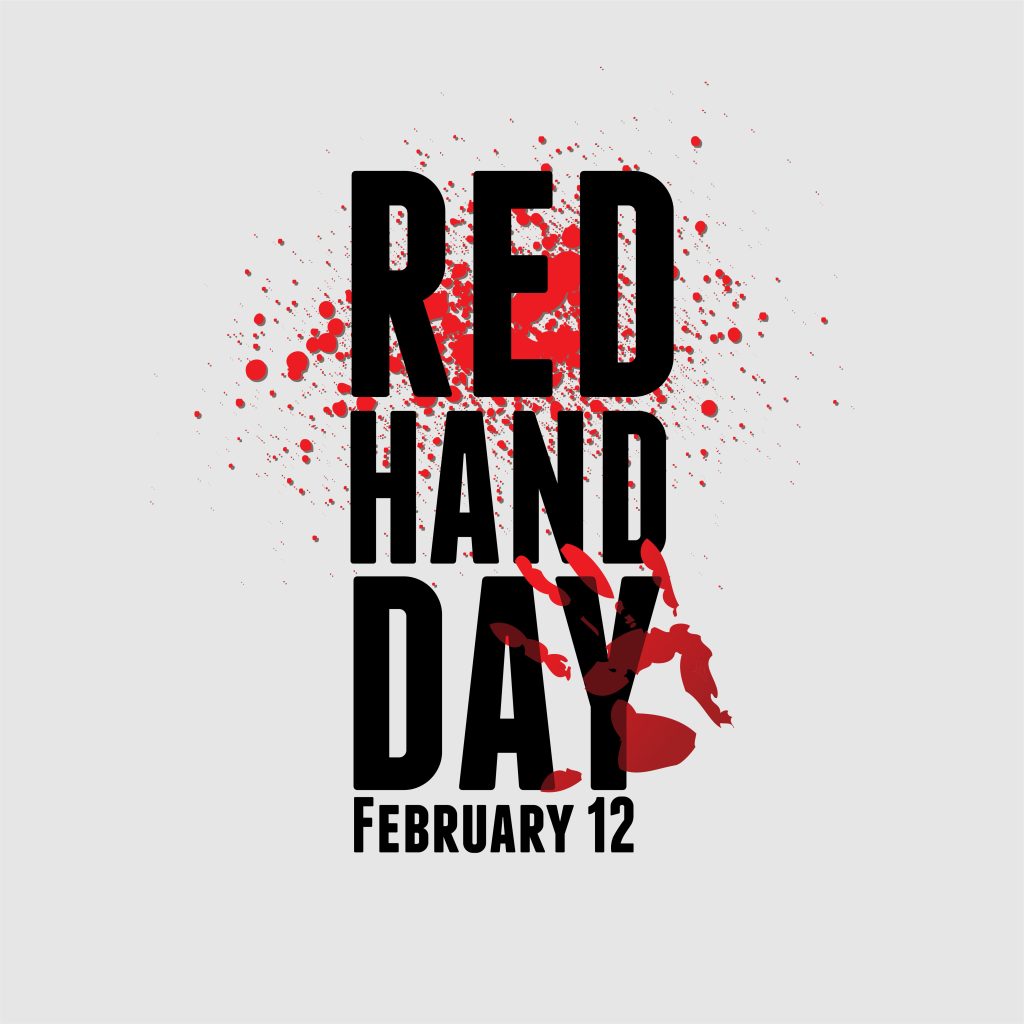
Every year on February 12, organizations around the world observe Red Hand Day, an international call to action against the recruitment and use of child soldiers. Symbolized by red handprints, the campaign represents the bloodshed, lost childhoods, and violated rights of children forced into armed conflict. While advocacy efforts have made progress, child soldiering remains a global human rights crisis—one that demands cross-border collaboration, inclusive communication, and multilingual outreach.
In this global fight, translation plays a critical yet often underestimated role. To truly end child soldiering, messages of awareness, prevention, rehabilitation, and policy change must reach governments, communities, families, and children themselves—in languages they understand.
This article explores the global impact of Red Hand Day and explains how accurate, culturally sensitive translation strengthens advocacy efforts and accelerates the movement to end child soldiering worldwide.
A Voice from the Past: Former Child Soldier’s Story
“I was taken when I was just 12 years old. I had no idea where they were taking me, and before I knew it, I was holding a weapon, forced to fight in a war I didn’t understand. The hardest part was not knowing if I would ever see my family again. I was lucky, though. I made it out and found help through organizations that helped me heal.”
This powerful firsthand account underscores the heartbreaking reality of child soldiering, a plight faced by thousands of children across the world. These stories are not just statistics; they are human lives disrupted by conflict and violence. Survivors like this are testaments to the resilience of children, and they also highlight the importance of our collective responsibility to prevent such tragedies.
Interactive Map: Global Efforts to End Child Soldiering
Where is Child Soldiering Most Prevalent?
The global map below provides a snapshot of where child soldiering remains a significant issue. The red markers indicate countries where the practice is most prevalent, while green markers represent nations actively working to end it through international agreements and advocacy like Red Hand Day. This map serves as a reminder of how widespread the issue is and the work still needed to ensure every child is safe from recruitment into armed conflict.
Understanding Red Hand Day and Its Global Significance
Red Hand Day commemorates the Optional Protocol to the Convention on the Rights of the Child on the involvement of children in armed conflict (OPAC), which came into force in 2002. The protocol prohibits the recruitment and use of children under 18 in hostilities and obligates governments to take preventive and rehabilitative measures.
Despite international agreements, an estimated tens of thousands of children are still recruited or used by armed forces and groups across regions, including:
- Sub-Saharan Africa
- The Middle East
- South and Southeast Asia
- Parts of Latin America
Children are forced to serve as fighters, porters, spies, cooks, and messengers. Many are abducted; others are coerced through poverty, fear, or false promises.
Red Hand Day unites NGOs, UN agencies, educators, policymakers, and grassroots activists to amplify awareness, push for enforcement, and support reintegration programs. However, for these efforts to be effective on a global scale, language accessibility is essential.
Why Language Matters in the Fight Against Child Soldiering
Child soldiering is a global issue with deeply local roots. Armed conflicts often occur in linguistically diverse regions where communities may not speak international or colonial languages fluently. When advocacy materials are available in only a few dominant languages, critical messages fail to reach those most affected.
Language barriers can hinder:
- Awareness of child rights and international protections
- Reporting of recruitment abuses
- Community engagement in prevention efforts
- Access to rehabilitation and reintegration services
- Policy advocacy at local and national levels
Translation bridges this gap, transforming global human rights commitments into locally understood and actionable messages.
Translating Advocacy Campaigns for Global Reach
Red Hand Day campaigns rely on petitions, toolkits, social media content, educational materials, and policy briefs. Translating these resources allows organizations to:
- Engage local communities and parents
- Empower teachers, social workers, and youth leaders
- Influence regional policymakers and law enforcement
- Mobilize grassroots movements across borders
For example, a Red Hand Day awareness toolkit translated into local languages can help community leaders explain the dangers of child recruitment and available protections in a culturally relevant way. Without translation, these campaigns risk remaining symbolic rather than transformative.
Supporting Children Through Multilingual Rehabilitation Resources
Ending child soldiering does not stop at prevention—it also requires long-term rehabilitation and reintegration. Former child soldiers often face trauma, stigma, and barriers to education and employment.
Translated materials are critical for:
- Psychological counseling resources
- Legal aid documentation
- Educational curricula and vocational training
- Family reunification guidance
Children and caregivers must be able to understand their rights, available services, and recovery pathways. Clear, compassionate translation ensures that support systems are accessible, respectful, and effective.
Policy Advocacy and International Cooperation
Human rights organizations frequently work across multiple jurisdictions, engaging with governments, international courts, and funding bodies. Accurate translation of legal and policy documents is essential for:
- Monitoring compliance with international conventions
- Submitting reports to UN bodies and human rights councils
- Coordinating cross-border initiatives
- Advocating for stronger child protection laws
Mistranslation in legal or policy contexts can lead to misunderstandings, weakened enforcement, or delayed action. Professional human rights translation ensures clarity, consistency, and credibility in high-stakes advocacy.
Cultural Sensitivity: More Than Just Words
Effective translation for Red Hand Day goes beyond literal word-for-word conversion. Messages about child soldiering touch on sensitive cultural, social, and political realities. Poorly adapted content may unintentionally alienate communities or reduce trust.
Culturally sensitive translation takes into account:
- Local terminology for armed groups and conflict
- Cultural perceptions of childhood, duty, and authority
- Trauma-informed language that avoids re-victimization
- Respect for community values while promoting child rights
This approach helps NGOs communicate in ways that resonate rather than impose, encouraging cooperation instead of resistance.
Digital Advocacy and Multilingual Visibility
In today’s digital landscape, Red Hand Day campaigns rely heavily on websites, social media, videos, and online petitions. Multilingual digital content allows organizations to:
- Reach wider international audiences
- Increase engagement and sharing across regions
- Improve search visibility in different languages
- Strengthen global solidarity
Subtitling videos, translating social media posts, and localizing websites ensures that the message against child soldiering is inclusive and globally accessible.
Challenges in Translating Human Rights Content
Human rights translation presents unique challenges, including:
- Complex legal terminology
- Emotionally sensitive subject matter
- Rapid response needs during crises
- Consistency across multiple languages
To overcome these challenges, organizations must prioritize professional translation services with experience in human rights, legal frameworks, and NGO communications. Volunteer or automated translations, while helpful in limited contexts, may not provide the accuracy or nuance required for impactful advocacy.
The Role of NGOs in Championing Language Access
Human rights organizations and child advocacy groups are uniquely positioned to lead by example. By embedding translation into campaign planning, NGOs can:
- Demonstrate inclusivity and accountability
- Strengthen partnerships with local organizations
- Ensure ethical communication practices
- Maximize the impact of donor-funded initiatives
Allocating resources for translation is not an added expense—it is a strategic investment in effectiveness, equity, and long-term change.
Red Hand Day as a Call for Global, Multilingual Action
Red Hand Day reminds the world that child soldiering is not a distant problem—it is a shared responsibility. Ending it requires collective action across borders, cultures, and languages.
When messages are translated accurately and thoughtfully:
- Awareness turns into understanding
- Understanding leads to action
- Action creates lasting change
By prioritizing multilingual communication, human rights organizations ensure that no child, family, or community is excluded from the conversation—or the solution.
Conclusion: Translating Hope Into Action
The fight to end child soldiering is as much about communication as it is about policy and protection. Red Hand Day provides a powerful platform to amplify voices, but its true impact depends on whether those voices are heard—and understood—around the world.
For human rights organizations, child advocacy groups, and NGOs, investing in high-quality translation means translating hope into action, commitments into change, and global principles into local realities.
As we mark Red Hand Day each year, let us remember: a message understood is a message empowered—and empowered messages can help end child soldiering for good.