

Key Takeaways
- Clear multilingual communication and precise translation are essential for aviation safety and operational integrity, preventing misinterpretations in cockpit, ATC, and maintenance contexts.
- Providing passenger-facing information in multiple languages (booking, boarding, baggage, support) improves traveler confidence, satisfaction, and brand loyalty.
- Professional translation ensures regulatory compliance and technical accuracy across manuals, certifications, maintenance documents, and emergency procedures.
- Translation enables international growth and partnerships by localizing marketing, websites, contracts, and communications while maintaining brand consistency worldwide.
- Aviation-specific expertise, strong quality control, secure document handling, and scalable workflows are critical when choosing a translation partner to support digital systems and future global communication needs.
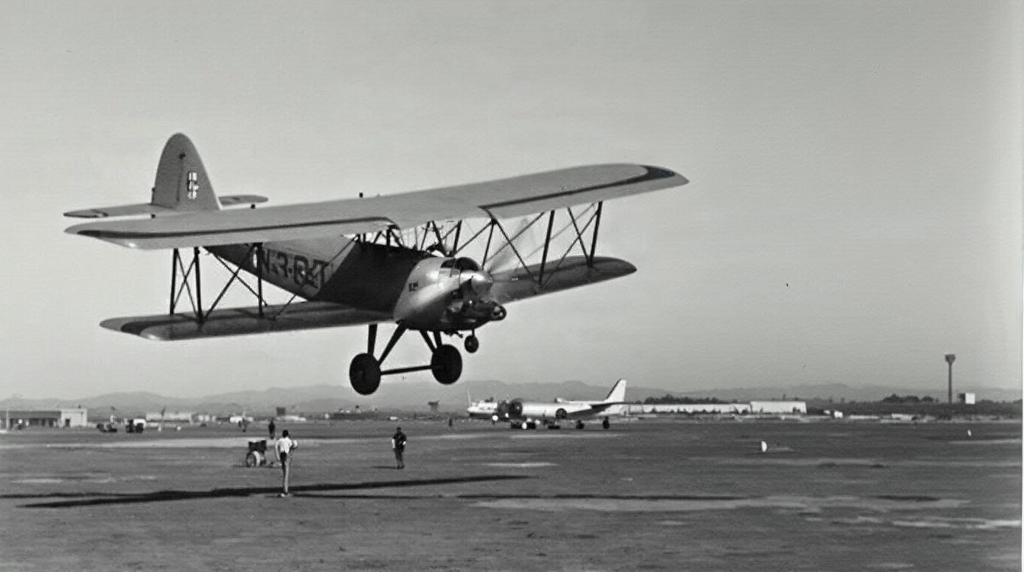
Amelia Earhart became a symbol of courage, innovation, and international aviation. Her achievements proved that aviation has always been about connecting people across borders. Today, the industry continues that mission on a much larger scale, with airlines and aviation organizations serving millions of passengers from countless countries every day.
As global air travel continues to grow, effective multilingual communication has become essential. From passenger information and safety documentation to technical manuals and regulatory compliance, accurate translation helps aviation organizations operate efficiently while building trust with customers and partners around the world.
H2: The “Invisible Cockpit Language Layer” That Keeps Flights Connected
Every aircraft operates with a silent second system running alongside radar and navigation: language translation. While Amelia Earhart relied on handwritten logs and early radio communication, today’s aviation ecosystem depends on multilingual translation systems that ensure pilots, air traffic controllers, and ground engineers are never misaligned.
In international airspace, a single misunderstood instruction—such as altitude clearance, runway assignment, or weather deviation—can cascade into operational risk. This is why aviation communication now integrates structured phraseology combined with multilingual translation support for documentation, maintenance logs, and emergency protocols.
Modern translation systems do not replace aviation English; instead, they reinforce it by bridging gaps in comprehension across non-native speakers in cockpit environments, maintenance hangars, and global control centers.
The Global Nature of Modern Aviation
The aviation industry depends on international collaboration. Airlines operate across continents, manufacturers work with suppliers worldwide, and airports welcome travelers who speak hundreds of different languages.
Every stage of an aviation operation involves communication. Flight schedules, customer service materials, maintenance procedures, employee training resources, and emergency instructions all need to be understood clearly by diverse audiences.
Translation enables aviation companies to remove language barriers that could otherwise create confusion, reduce customer satisfaction, or slow business operations.
Why Translation Matters for Aviation Companies
Aviation is one of the world’s most regulated industries. Every document must be clear, accurate, and consistent.
Professional translation helps organizations communicate important information without changing its intended meaning. Whether preparing passenger information, employee training materials, or maintenance documentation, consistency is essential.
Well-translated content also demonstrates professionalism. Customers are more likely to trust airlines that provide information in their preferred language, especially during booking, check-in, boarding, and customer support interactions.
Supporting Passenger Confidence
Passengers expect a smooth travel experience from the moment they book a ticket until they arrive at their destination.
Providing multilingual content helps travelers understand:
- Booking instructions
- Baggage policies
- Boarding procedures
- Airport navigation
- Customer support information
- Travel requirements
- Airline policies
When passengers receive clear information in their own language, they feel more confident throughout their journey.
This improved experience often leads to stronger customer satisfaction, positive reviews, and greater brand loyalty.
Improving Safety Through Clear Communication
Safety remains the highest priority in aviation.
Many aviation documents contain highly technical information that must be communicated with precision. Even small inconsistencies can create unnecessary confusion.
Translation supports the distribution of accurate safety materials, including:
- Safety manuals
- Aircraft maintenance documentation
- Training resources
- Emergency procedures
- Operational guidelines
- Technical specifications
Maintaining consistent terminology across every document helps organizations support standardized operations throughout international teams.
Helping Airlines Expand into New Markets
International growth presents enormous opportunities for airlines.
Launching new routes often requires communication with local authorities, airport partners, travel agencies, and passengers in different countries.
Translation helps companies localize:
- Corporate websites
- Mobile applications
- Marketing campaigns
- Booking platforms
- Customer emails
- Travel guides
- Promotional materials
Speaking to customers in their preferred language creates a more welcoming experience while strengthening brand recognition in new regions.
Supporting International Partnerships
The aviation ecosystem includes manufacturers, airports, maintenance providers, technology companies, logistics partners, regulators, and airline alliances.
These organizations exchange large volumes of technical and operational information every day.
Translation allows partners from different linguistic backgrounds to collaborate more efficiently while maintaining consistency across documents, contracts, manuals, and project communications.
Strong multilingual communication contributes to smoother international cooperation and long-term business relationships.
Maintaining Brand Consistency Worldwide
Global airlines invest heavily in building recognizable brands.
Every customer interaction contributes to public perception, whether it appears on a website, mobile app, social media platform, or airport display.
Translation helps ensure that brand messaging remains consistent across different languages while respecting cultural expectations.
A unified voice strengthens credibility and creates a more professional customer experience regardless of location.
Translation for Aviation Technology
Digital transformation continues to reshape aviation.
Airlines increasingly rely on software platforms for reservations, maintenance management, customer communication, crew scheduling, and airport operations.
These systems often serve users across multiple countries.
Translation supports user-friendly interfaces by making software accessible to employees, customers, and business partners in different markets.
Clear navigation and understandable instructions improve usability while reducing unnecessary support requests.
Supporting Employee Training
Large airlines employ thousands of professionals across multiple countries.
Training materials must be consistent to ensure employees understand company procedures and operational standards.
Translation helps organizations deliver:
- Employee handbooks
- Technical training documents
- Operational procedures
- Compliance materials
- Human resources documentation
- Workplace policies
Providing clear learning materials supports employee confidence and contributes to organizational consistency.
Navigating Regulatory Requirements
Aviation organizations operate under numerous national and international regulations.
Many projects require documentation to be submitted in multiple languages depending on local authorities and business partners.
Translation helps companies prepare:
- Compliance documentation
- Certification materials
- Technical reports
- Legal agreements
- Procurement documents
- Operational records
Accurate documentation supports smoother communication with stakeholders while helping organizations meet regional requirements.
Enhancing Customer Support
Customer questions arise before, during, and after travel.
Passengers may need assistance with reservations, baggage, cancellations, refunds, loyalty programs, or travel policies.
Providing multilingual support materials helps customers find answers more easily.
This reduces frustration while improving the overall customer experience.
Satisfied travelers are more likely to return for future trips and recommend an airline to others.
Marketing to International Audiences
Successful aviation marketing requires more than simply converting words from one language into another.
Messages should reflect local preferences while preserving the company’s identity.
Translation supports international marketing initiatives such as:
- Destination promotions
- Email campaigns
- Website content
- Travel offers
- Loyalty program communications
- Social media content
- Press releases
Effective multilingual marketing allows airlines to engage customers more naturally in different regions.
The Importance of Industry Expertise
Aviation terminology is highly specialized.
Technical documentation, engineering resources, operational manuals, and customer-facing content all require careful attention to detail.
Working with professionals who understand aviation terminology helps maintain consistency throughout every project.
Industry knowledge supports greater accuracy and improves communication across departments and international markets.
Choosing the Right Translation Partner
Selecting a translation provider involves more than comparing prices.
A reliable partner should understand aviation terminology, quality assurance processes, confidentiality requirements, and multilingual content management.
Important considerations include:
- Aviation industry experience
- Strong quality control processes
- Consistent terminology management
- Ability to handle large-scale projects
- Secure document handling
- Support for multiple languages
- Scalable workflows
Choosing the right provider helps organizations maintain high communication standards as they grow internationally.
Looking Ahead: The Future of Global Aviation Communication
International aviation will continue expanding as travel demand increases and new markets emerge.
Passengers expect personalized experiences, airlines seek greater operational efficiency, and global partnerships continue to grow.
Translation will remain an essential part of this evolution by helping organizations communicate clearly across languages and cultures.
Companies that invest in high-quality multilingual communication position themselves to build stronger customer relationships, support international expansion, and operate more effectively in an increasingly connected world.
Final Thoughts
Amelia Earhart demonstrated that aviation has always been about reaching beyond borders. Today’s airlines and aviation companies continue that legacy by connecting people, businesses, and communities across the globe.
Clear multilingual communication supports every part of that journey. From passenger information and employee training to regulatory documentation and international marketing, professional translation helps organizations improve customer experiences, strengthen global partnerships, and support consistent operations.
As the aviation industry continues to evolve, organizations that prioritize accurate, reliable translation will be better equipped to serve international audiences, build lasting trust, and succeed in an increasingly global marketplace.