
Key Takeaways
- Multilingual accessibility is crucial for supporting neurodiverse individuals by bridging communication and information gaps.
- Neurodiversity acknowledges cognitive variations as part of human diversity, emphasizing the need for clear, structured communication.
- Providing information in multiple languages and formats can reduce cognitive load, helping neurodiverse individuals process and engage with content more effectively.
- Effective multilingual accessibility can promote equal access to essential services, such as healthcare and community support for neurodiverse individuals.
- Implementing best practices like using plain language, accurate translation, and staff training can enhance the effectiveness of multilingual accessibility initiatives.
In a world that is increasingly interconnected, accessibility is an essential pillar that supports individuals with diverse needs. Among the many groups requiring special attention and support, neurodiverse individuals—those with conditions such as autism spectrum disorder (ASD), ADHD, dyslexia, and other cognitive variations—often face significant challenges. These challenges are further compounded when language barriers exist. Multilingual accessibility is a critical tool that can help bridge these gaps, ensuring that neurodiverse communities across the globe can access vital services, resources, and information. For NGOs, healthcare providers, accessibility advocates, and community organizations, understanding the role of multilingual accessibility is crucial for supporting neurodiverse communities effectively.
Understanding Neurodiversity
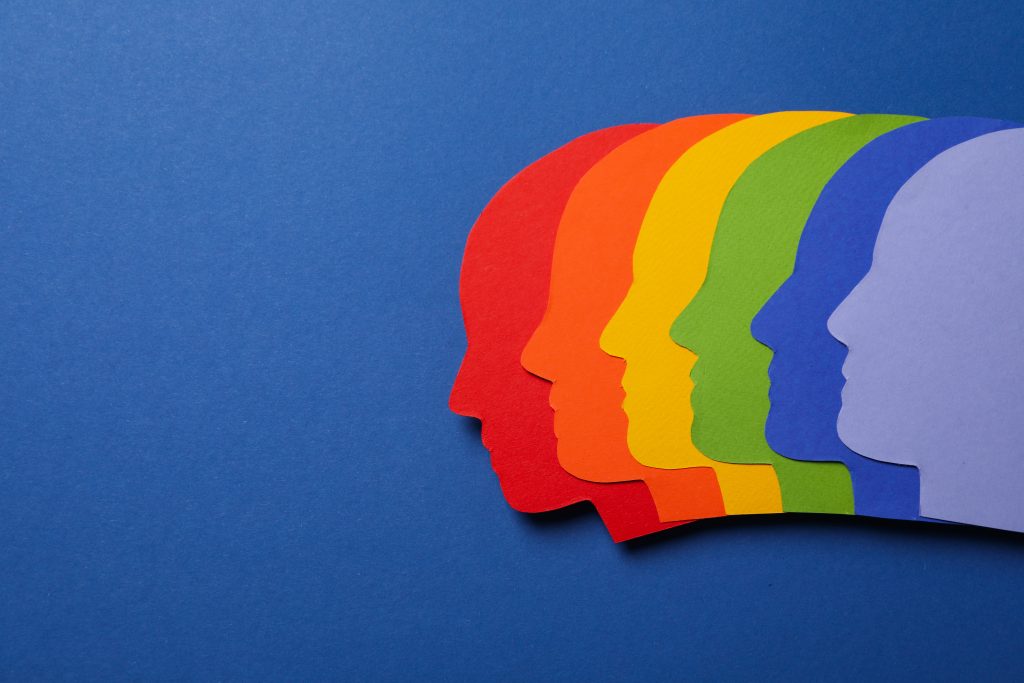
Neurodiversity refers to the natural variation in human cognition and behavior. It acknowledges that conditions like autism, ADHD, and dyslexia are not deficits, but part of the spectrum of human diversity. Neurodiverse individuals may think, learn, and process information differently than their neurotypical counterparts. While society is becoming more aware of the importance of neurodiversity, barriers to inclusion still exist, particularly when it comes to communication and access to information.
Many neurodiverse individuals benefit from structured, clear, and predictable communication, and providing multilingual accessibility plays a key role in meeting these needs. In multilingual settings, the ability to communicate effectively in various languages is paramount, not just for inclusion, but for offering an equitable platform for participation in society.
The Challenges Faced by Neurodiverse Individuals
Neurodiverse individuals face unique challenges in navigating both social and physical spaces. Communication is one of the most significant barriers, as it often impacts their ability to understand and engage with essential information. These barriers can manifest in a variety of ways, such as difficulty processing complex language, challenges with reading comprehension, or struggling to understand social cues. Additionally, some may experience sensory overload, making it harder to process information that is presented in traditional formats, such as lengthy or complex text.
When language and communication challenges are compounded by cultural and linguistic barriers, the situation becomes even more challenging. In a world that is linguistically diverse, ensuring that neurodiverse individuals can access services and information in their preferred language is a critical factor in promoting inclusivity.
The Power of Non-Verbal Communication in Multilingual Environments
For individuals with autism or other neurodiverse conditions, communication may not always be verbal. However, it’s essential to understand that non-verbal communication plays a critical role in bridging linguistic gaps. In a multilingual world, the use of universally understood symbols, pictograms, and sign language can foster a deeper connection, helping individuals communicate more comfortably. Interactive content that includes visual aids, such as infographics or easy-to-read icons, is a practical way to ensure accessibility and inclusion for neurodiverse individuals across different cultures and languages, much like how captioning supports diverse learners in educational environments.
Example: Platforms offering multilingual support often integrate emoji-style buttons or clickable icons that symbolize common phrases or needs (e.g., “help,” “bathroom,” “water”). These simple visual cues can reduce stress and promote clearer communication.
2. Tailoring Education Materials to Multilingual Neurodiverse Learners
With autism affecting individuals differently, there’s no one-size-fits-all approach to educational material. But what if we explored the potential of adaptive language technology in multilingual settings? Consider personalized learning tools powered by AI that adjust language complexity based on a student’s cognitive abilities and preferences. This can be especially helpful for neurodiverse students who are navigating language barriers, particularly when combined with techniques where adding subtitles enhances accessibility to educational videos.
For example, an AI system could offer multiple translations of a single sentence, adapting the sentence structure or vocabulary according to the individual’s needs, enhancing comprehension and engagement. This means neurodiverse learners worldwide can access resources that match their unique learning styles and language proficiency levels.
Example: A multilingual textbook for neurodiverse students could have built-in features that allow students to hear text read aloud in different languages, adjust reading speed, or use simpler vocabulary based on their needs.
The Importance of Multilingual Accessibility
Multilingual accessibility addresses both the linguistic and cognitive barriers that neurodiverse individuals may face. It goes beyond simply translating words; it is about ensuring that information is presented in a way that is accessible and understandable to all individuals, regardless of their cognitive or linguistic background. This becomes especially important in healthcare, education, and community services, where clear and accurate communication is essential.
1. Enhancing Understanding and Engagement
One of the most immediate benefits of multilingual accessibility is that it allows neurodiverse individuals to engage with information in a language they understand. For many neurodiverse individuals, complex instructions or communication in an unfamiliar language can be overwhelming. Simplifying language and providing translated resources can alleviate confusion and reduce stress.
For example, in healthcare, multilingual accessibility can ensure that neurodiverse individuals fully understand medical instructions, treatment plans, and their rights. For community organizations offering webinars and virtual support sessions, subtitling webinars for accessibility ensures that all individuals, regardless of their native language, are informed about available services, social programs, or legal rights.
2. Reducing Cognitive Load
Neurodiverse individuals often experience cognitive overload when faced with too much information or complicated language. In environments where the language used is unfamiliar or overly complex, the cognitive load can become overwhelming, making it difficult for individuals to retain and process important details.
Providing information in multiple languages, using clear and simple language, and breaking down complex ideas into digestible chunks can reduce this cognitive load. This approach allows neurodiverse individuals to engage with the content at their own pace and in a way that best suits their needs, fostering a more inclusive environment.
3. Promoting Equal Access to Services
Many neurodiverse individuals rely on the support of healthcare providers, community services, or legal systems to navigate their daily lives. However, language barriers can prevent access to these services, particularly in multicultural societies. Multilingual accessibility can level the playing field by ensuring that neurodiverse individuals, regardless of their linguistic background, can access critical services in a language that makes sense to them.
Healthcare providers, for instance, may find it difficult to communicate effectively with patients who speak different languages, which can lead to misunderstandings and suboptimal care. Organizations that work with professional captioning services can offer multilingual resources—whether through translated brochures, interpreter services, or multilingual healthcare portals—ensuring that neurodiverse patients receive the care they need in a way that respects both their cognitive and linguistic needs.
4. Improving Mental Health and Well-being
Mental health is a significant concern for neurodiverse individuals, and access to appropriate mental health care is vital. However, the process of seeking and receiving help can be daunting, especially if the individual does not speak the dominant language or faces challenges in communication. By offering mental health services in multiple languages, organizations can reduce the stigma surrounding mental health and make it easier for neurodiverse individuals to seek support when needed.
Additionally, when neurodiverse individuals can understand information about their conditions and available support systems in their native languages, it fosters a greater sense of autonomy, reducing anxiety and building confidence in their ability to navigate complex systems.
Best Practices for Implementing Multilingual Accessibility
For organizations and healthcare providers looking to support neurodiverse communities through multilingual accessibility, several best practices should be considered:
1. Use Plain Language and Visual Aids
When translating materials or information, it is essential to use plain language that is simple and easy to understand. Avoid jargon or overly complex terms, as these can increase confusion and stress. Visual aids such as charts, images, and symbols can also help convey information more effectively, especially for individuals with cognitive or language processing challenges.
2. Ensure Accuracy in Translation
It is not enough to simply translate materials; accuracy is key. Neurodiverse individuals need reliable and precise information, particularly in healthcare and legal contexts. Working with professional translation services who understand both the cultural context and the specific needs of neurodiverse individuals is essential to maintaining the integrity of the message.
3. Offer Multiple Formats
Different neurodiverse individuals may prefer different formats for receiving information. While some may benefit from written documents, others may find audio recordings, videos, or interactive content more accessible. Offering information in multiple formats ensures that everyone has the opportunity to engage with the material in a way that suits their preferences.
4. Train Staff and Volunteers
It is important for staff and volunteers working in healthcare, NGOs, and community organizations to be trained in both multilingual communication and neurodiversity. This training can help ensure that the needs of neurodiverse individuals are understood and respected, and that interactions are as inclusive as possible.
Conclusion
The role of multilingual accessibility in supporting neurodiverse communities worldwide cannot be overstated. By providing information in multiple languages and making it accessible to individuals with cognitive and communication challenges, NGOs, healthcare providers, and community organizations can create a more inclusive world. This accessibility fosters better understanding, reduces cognitive load, promotes equal access to services, and improves mental health outcomes for neurodiverse individuals across the globe.
As we continue to advance towards a more inclusive society, the integration of multilingual accessibility into everyday practices will be a key element in ensuring that all individuals, regardless of their linguistic or cognitive background, can thrive. Organizations investing in multilingual subtitling services and other accessibility solutions are taking essential steps toward creating a truly inclusive and equitable world for neurodiverse communities.