
Key Takeaways
- Access to effective sleep solutions is not universal, with millions struggling with sleep disorders worldwide.
- Professional translation services are essential for making sleep health information accessible across linguistic and cultural boundaries.
- Sleep disorders are linked to various health issues like cardiovascular disease, diabetes, and mental health conditions, highlighting the importance of global sleep health initiatives.
- Translation enhances patient education and health literacy, ensuring patients understand treatment plans and sleep hygiene practices.
- Culturally adapted communication and multilingual access are crucial for addressing health equity in sleep medicine and promoting effective public health campaigns.
Sleep is a universal human need—yet access to effective sleep solutions is far from universal. Around the world, millions of people struggle with insomnia, sleep apnea, circadian rhythm disorders, and other sleep-related challenges. At the same time, researchers and healthcare providers are constantly developing new treatments, behavioral interventions, technologies, and public health strategies to improve sleep health.
However, breakthroughs in sleep science can only improve global health if they are understood, trusted, and implemented across linguistic and cultural boundaries. This is where professional translation services play a vital role.
For healthcare providers, wellness professionals, sleep researchers, global health organizations, and individuals seeking better sleep, accurate and culturally informed translation is essential to ensuring that life-changing sleep solutions reach the people who need them most.
Sleep Solutions Without Borders: How Translation Services Break Language Barriers
Imagine a world where sleep health solutions aren’t confined to specific regions or languages. Translation services enable the seamless spread of crucial sleep disorder information across countries, unlocking access to treatments for people who might otherwise be left in the dark. From sleep studies to CPAP machine guides, these services create pathways for global understanding. Sleep isn’t just a local issue—it’s universal. Translation makes it possible for diverse cultures to share techniques, research, and success stories, helping more people adopt healthy sleep practices. Sleep solutions are no longer limited to a language; they’re a global conversation.
The Global Burden of Sleep Disorders
Sleep disorders are a growing public health issue. Chronic sleep deprivation and untreated sleep disorders are linked to:
- Cardiovascular disease
- Diabetes
- Obesity
- Depression and anxiety
- Impaired cognitive performance
- Workplace accidents and reduced productivity
The World Health Organization and national health agencies increasingly recognize sleep as a pillar of health—alongside nutrition and physical activity. Yet many communities lack access to evidence-based sleep education, diagnostics, and treatment options, often due to language barriers.
Research published in one language may never reach clinicians or patients who speak another. Clinical guidelines may exist but remain inaccessible to multilingual populations. Public health campaigns may fail because their messaging does not resonate culturally.
Translation services bridge this gap—transforming sleep science into accessible, actionable knowledge across borders.
Making Sleep Research Accessible Worldwide
Sleep research is conducted globally, from neuroscience labs studying REM cycles to clinical trials evaluating CPAP adherence or cognitive behavioral therapy for insomnia (CBT-I). However, research dissemination often occurs in dominant languages such as English.
Why Research Translation Matters
- Expanding Clinical Impact
Translating peer-reviewed studies allows clinicians in non-English-speaking regions to adopt best practices in sleep diagnostics and treatment. - Enhancing Global Collaboration
Multilingual research sharing promotes collaboration between sleep researchers across continents, accelerating innovation. - Supporting Evidence-Based Policy
Policymakers need access to global data on sleep trends, epidemiology, and cost burdens. Translation ensures informed public health decisions. - Enabling Replication and Validation
Accurate translation of study methodologies ensures reproducibility across diverse populations.
For sleep researchers, professional translation ensures scientific accuracy—preserving terminology related to sleep stages, polysomnography, circadian biology, and neurophysiology.
Improving Patient Education and Health Literacy
Effective sleep interventions often depend on patient understanding and behavioral change. Whether it’s improving sleep hygiene, adhering to CPAP therapy, or following CBT-I protocols, patients must clearly understand instructions.
The Role of Translation in Patient-Centered Care
Healthcare providers serve increasingly multicultural and multilingual populations. Without properly translated materials, patients may misunderstand:
- Medication timing
- Device usage (e.g., CPAP machines)
- Behavioral sleep strategies
- Risks associated with untreated sleep apnea
- Lifestyle recommendations
High-quality translation of:
- Brochures
- Sleep hygiene guides
- Discharge instructions
- Consent forms
- Telehealth communications
ensures patients receive consistent and safe guidance.
For individuals seeking better sleep, access to educational content in their native language improves trust, comprehension, and compliance.
Culturally Adapting Sleep Solutions
Translation is not just about converting words—it’s about conveying meaning within cultural contexts.
Sleep practices, beliefs, and norms vary widely across regions. For example:
- Co-sleeping practices differ between cultures.
- Attitudes toward naps and siestas vary.
- Perceptions of mental health treatment (such as CBT-I) differ globally.
- Traditional remedies may influence sleep behavior.
A literal translation of sleep advice may fail if it ignores cultural habits, environmental factors, or socioeconomic realities.
Cultural Localization in Sleep Health Communication
Professional translation services often include localization, which adapts content to:
- Cultural sleep customs
- Climate-related sleep challenges
- Work schedule norms
- Housing conditions
- Religious or traditional practices
For global health organizations, culturally adapted sleep education campaigns are more effective in changing behavior and improving outcomes.
Supporting Global Health Initiatives
International organizations frequently run sleep-related initiatives, including:
- Maternal and infant sleep education
- Adolescent sleep awareness programs
- Workplace fatigue management
- Road safety campaigns addressing drowsy driving
These initiatives often span multiple countries and languages.
Professional translation ensures:
- Consistent messaging across regions
- Regulatory compliance with local healthcare authorities
- Ethical clarity in informed consent processes
- Clear public communication during awareness campaigns
In global health efforts, mistranslation can lead to confusion, misinformation, or reduced program effectiveness. Precision and clarity are critical.
Enhancing Telehealth and Digital Sleep Solutions
Digital health technologies are transforming sleep care. Mobile apps track sleep patterns, wearable devices monitor heart rate variability, and telemedicine platforms connect patients with sleep specialists.
But global reach requires multilingual accessibility.
Translation in Digital Sleep Health Platforms
Translation services support:
- App interfaces
- User instructions
- Data dashboards
- Push notifications
- AI-generated sleep reports
- Online CBT-I programs
Healthcare providers expanding digital sleep services internationally must ensure content is linguistically accurate and culturally appropriate.
For example, an app offering relaxation exercises should use culturally familiar language and imagery. A sleep tracker explaining REM cycles must use medically accurate terminology.
Without professional translation, digital solutions risk poor engagement and low adoption rates.
Facilitating Clinical Trials Across Borders
Sleep research increasingly involves multinational clinical trials. Whether testing a new insomnia medication, sleep apnea device, or behavioral intervention, global participation improves diversity and data reliability.
Translation services are essential for:
- Study protocols
- Informed consent forms
- Patient-reported outcome measures
- Adverse event documentation
- Regulatory submissions
Accurate translation protects participants, ensures ethical standards, and maintains regulatory compliance.
For sleep researchers, poorly translated clinical materials can compromise data integrity and participant safety. Certified medical translators help maintain scientific rigor.
Addressing Health Equity in Sleep Medicine
Sleep health disparities often affect marginalized and minority populations. Language barriers are a major contributor to inequitable care.
When sleep clinics provide multilingual services, they:
- Increase access to diagnostics
- Improve adherence to treatment
- Reduce miscommunication
- Build patient trust
For healthcare providers committed to health equity, investing in translation services is not just a logistical choice—it is an ethical one.
Global health organizations aiming to reduce disparities in cardiovascular disease, diabetes, and mental health must recognize sleep as a foundational factor—and ensure information is accessible in multiple languages.
Ensuring Accuracy in Specialized Sleep Terminology
Sleep medicine is highly technical. Terminology includes:
- Polysomnography
- Hypopnea
- REM latency
- Sleep efficiency
- Chronotherapy
- Parasomnias
- Obstructive sleep apnea (OSA)
Inaccurate translation of these terms can lead to clinical misunderstandings.
Professional medical translators possess subject-matter expertise in healthcare and sleep science. They understand:
- Regulatory requirements
- Medical coding systems
- Standardized terminology
- Clinical nuance
For sleep researchers publishing globally or clinics serving diverse populations, precision matters.
Promoting Public Awareness Campaigns
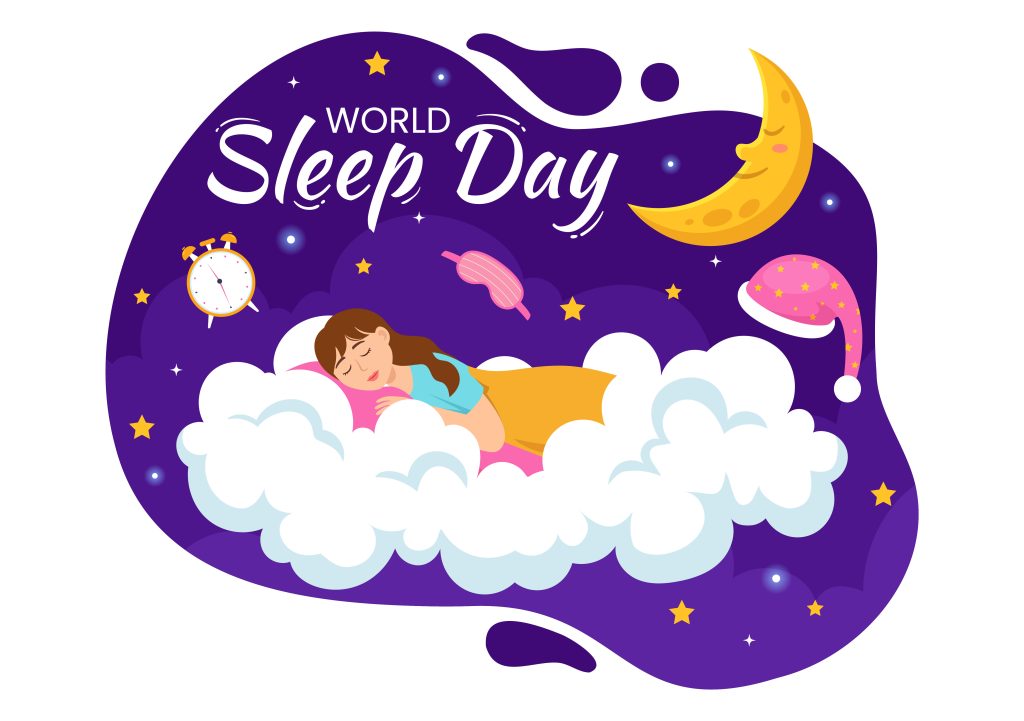
Sleep awareness campaigns—such as World Sleep Day initiatives—aim to educate the public about the importance of sleep.
Translation services enable:
- Multilingual social media content
- Press releases
- Educational videos
- Infographics
- Community outreach materials
Clear messaging about sleep hygiene, bedtime routines, screen exposure, and stress management empowers individuals worldwide to prioritize sleep health.
For wellness professionals and health communicators, language accessibility increases reach and engagement.
Supporting Cross-Border Professional Training
Sleep medicine training programs, webinars, and conferences increasingly attract international audiences. Translating:
- Training manuals
- Continuing education materials
- Conference presentations
- Certification programs
helps standardize care across borders.
Professional translation supports the global development of sleep specialists and ensures that evidence-based practices are implemented consistently.
Building Trust Through Clear Communication
Trust is central to healthcare. Patients are more likely to follow sleep treatment plans when they clearly understand:
- Their diagnosis
- Treatment benefits and risks
- Expected outcomes
- Long-term management strategies
When communication happens in a patient’s native language, confidence increases.
For individuals seeking better sleep, clarity reduces anxiety and empowers proactive health decisions.
The Future of Sleep Health Is Multilingual
As sleep science advances—integrating neuroscience, behavioral health, technology, and public policy—its impact depends on global accessibility.
Translation services are not simply administrative tools. They are strategic enablers of:
- Research dissemination
- Clinical excellence
- Public health outreach
- Digital health expansion
- Health equity
Healthcare providers, wellness professionals, sleep researchers, and global health organizations must recognize that sharing sleep solutions across borders requires more than innovation—it requires communication.
Conclusion
Better sleep improves physical health, mental clarity, productivity, and overall quality of life. Yet effective sleep solutions cannot benefit global populations if they remain confined by language barriers.
Professional translation services ensure that:
- Research findings reach international clinicians
- Patients understand treatment plans
- Digital sleep tools engage diverse users
- Global health campaigns resonate culturally
- Clinical trials uphold ethical standards
For individuals seeking better sleep and the professionals working to support them, accurate and culturally informed translation is a powerful catalyst for change.
In a world where sleep challenges cross borders, so must sleep solutions. Through high-quality translation services, knowledge becomes accessible, care becomes equitable, and better health becomes a shared global goal.