
Key Takeaways
- Georgia Day commemorates the founding of the state in 1733, highlighting its diverse historical narratives beyond colonial governance.
- Translation plays a critical role in preserving Georgia’s history by making historical records accessible across different languages and cultures.
- The preservation of Indigenous languages and oral traditions through translation ensures that marginalized voices, such as those of the Gullah Geechee and Native American communities, are understood and respected.
- Educational initiatives benefit from translated historical materials, allowing teachers to introduce multicultural perspectives and engage students with authentic historical voices.
- Translation enhances Georgia Day celebrations by facilitating multilingual public readings and inclusive storytelling sessions, fostering community engagement and dialogue about the state's shared history.
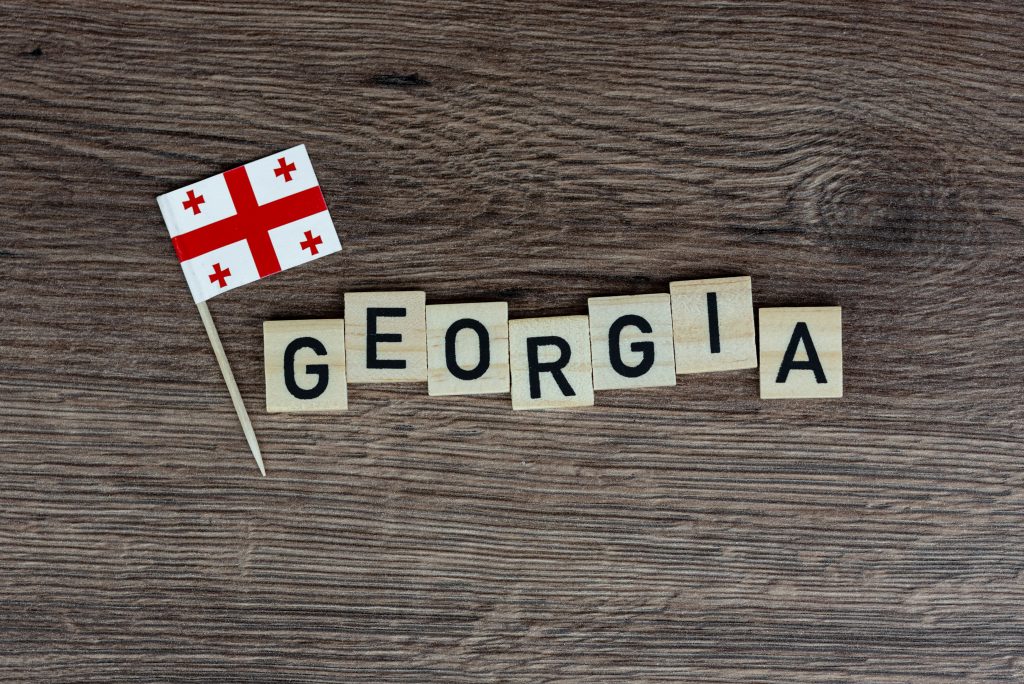
Every year on February 12, Georgia Day invites residents, historians, educators, and cultural institutions to reflect on the founding of the state of Georgia in 1733. While the day commemorates General James Oglethorpe’s arrival and the early colonial roots of the state, Georgia Day is also an opportunity to look beyond well-known narratives and explore the diverse voices, languages, and cultures that have shaped Georgia’s identity over centuries.
At the heart of this broader understanding lies an often-overlooked tool: translation. Translation plays a vital role in preserving Georgia’s history by making historical records accessible, inclusive, and meaningful across generations and communities. From Indigenous languages and colonial-era documents to immigrant narratives and oral histories, translation ensures that Georgia’s past is not only remembered—but fully understood.
The Role of Translation in Preserving Georgia’s Diverse History
Georgia, a state with a rich and varied history, is home to many diverse communities. The translation of historical texts, stories, and cultural traditions has played a pivotal role in ensuring that Georgia’s past is preserved for future generations. Through translation, we are able to capture the essence of Georgia’s multifaceted identity—its African American heritage, Native American legacy, and immigrant stories—making them accessible to people across different cultures and languages.
For instance, Georgia’s African American community has a profound impact on its history, particularly in the Civil Rights Movement. Key speeches and writings from leaders like Dr. Martin Luther King Jr. were translated into numerous languages, spreading their powerful message around the world. These translations not only helped to preserve the content of those speeches but also expanded their reach to international audiences, solidifying Georgia’s place in global history.
Similarly, the stories of Native American tribes such as the Creek and Cherokee, whose histories are deeply intertwined with the land we now call Georgia, have been passed down through oral traditions. Many of these stories, once confined to specific languages, have been preserved through translation, allowing their narratives to remain relevant and understood in a modern context.
Local Experts Weigh In: The Power of Translation
To truly understand the importance of translation in preserving Georgia’s history, we spoke with local experts who specialize in historical translation. Dr. Sarah Johnson, a historian and translator from the University of Georgia, emphasizes, “Translation is not just about language; it’s about ensuring that the cultural and historical significance of a text is carried over. In Georgia, translation has allowed the stories of marginalized communities, such as the Gullah Geechee and Native American groups, to remain accessible and continue to resonate.”
Her work has focused on translating historical documents from the Civil War era and the Reconstruction period, ensuring that these pivotal moments in Georgia’s history are preserved in both English and Spanish, making them accessible to a broader audience.
Understanding Georgia Day: More Than a Historical Milestone
Georgia Day marks the establishment of the 13th and final American colony. Traditionally, it focuses on colonial governance, early settlements, and the strategic importance of Georgia in British North America. While these narratives are foundational, they represent only part of the state’s historical tapestry.
Georgia’s history also includes:
- Indigenous nations, such as the Muscogee (Creek) and Cherokee
- Enslaved Africans, whose languages, traditions, and resilience shaped the state’s culture
- European immigrants, including Spanish, German, and French settlers
- Modern immigrant communities, contributing new languages and perspectives
Recognizing Georgia Day today means acknowledging multilingual history—and translation is essential to that recognition.
Why Translation Matters in Preserving Georgia’s History
1. Making Historical Records Accessible
Many of Georgia’s earliest records were written in languages other than modern English, including:
- Spanish (from early explorations and Florida connections)
- French (from European correspondence and trade)
- Indigenous languages (oral histories, treaties, and cultural records)
Without translation, these materials remain inaccessible to educators, students, and the public. Accurate translation allows historians and institutions to interpret original sources rather than relying solely on secondary narratives.
By translating archival documents, Georgia’s history becomes more transparent and verifiable, supporting academic research and public education.
2. Preserving Indigenous Languages and Cultural Memory
Before Georgia became a colony, it was home to thriving Indigenous nations with rich linguistic traditions. Much of this history exists in oral storytelling, ceremonial language, and early transcriptions.
Translation plays a dual role here:
- Preservation: Translating Indigenous oral histories into written forms helps protect them from being lost.
- Respectful representation: Careful, culturally informed translation ensures that meanings, values, and traditions are not distorted.
For cultural institutions and educators, translated Indigenous materials allow Georgia Day programming to reflect a more complete and respectful historical narrative.
3. Supporting Educators and Curriculum Development
Educators play a central role in shaping how Georgia Day is understood by future generations. Translation enables teachers to:
- Use primary source materials in classrooms
- Introduce students to multicultural perspectives
- Teach history through authentic voices, not summaries
Translated letters, legal documents, diaries, and oral histories allow students to engage critically with the past. This approach strengthens historical literacy and fosters a deeper appreciation of Georgia’s cultural complexity.
Translation and Cultural Institutions in Georgia
Museums, Archives, and Libraries
Georgia’s museums, libraries, and archives hold vast collections of historical materials—many of which are multilingual. Translation supports these institutions by:
- Creating bilingual or multilingual exhibits
- Improving digital accessibility for online archives
- Supporting grant compliance and public outreach initiatives
For example, translated exhibit descriptions allow visitors from diverse backgrounds to connect with Georgia’s history in a meaningful way.
Historical Societies and Preservation Organizations
Local historical societies often safeguard community-level histories, including immigrant and minority narratives. Translation helps these organizations:
- Document stories that exist in non-English formats
- Preserve family records, newspapers, and church documents
- Share local history with a broader audience
On Georgia Day, these translated stories help communities see themselves reflected in the state’s shared heritage.
The Role of Translation in Immigration and Community History
Georgia has long been shaped by waves of migration—from early European settlers to modern global communities. Many immigrant families possess historical records in languages such as Spanish, Korean, Vietnamese, Chinese, and Arabic.
Translation allows these materials to be:
- Integrated into local and state archives
- Used in community history projects
- Shared during cultural events and educational programs
By translating immigrant narratives, Georgia Day becomes a celebration not only of the past but of the ongoing story of the state.
Challenges in Translating Historical Materials
While translation is powerful, it must be handled with care—especially for historical content.
Linguistic and Contextual Accuracy
Older documents often contain:
- Archaic language
- Regional dialects
- Obsolete legal or cultural references
Professional translators with historical expertise are essential to ensure accuracy and context are preserved.
Cultural Sensitivity
Historical materials may include sensitive topics such as displacement, enslavement, or discrimination. Translation must be:
- Ethically informed
- Culturally respectful
- Historically accurate without erasure or bias
For institutions and educators, working with experienced translators ensures responsible storytelling.
How Translation Enhances Georgia Day Celebrations
Georgia Day events increasingly go beyond ceremonies and speeches. Translation adds depth to celebrations by enabling:
- Multilingual public readings of historical documents
- Inclusive exhibits and community storytelling sessions
- Educational workshops using translated primary sources
These efforts foster community engagement and encourage dialogue about Georgia’s shared past.
The Digital Future of Historical Translation
Digital archives and online learning platforms have expanded access to Georgia’s history. Translation is central to this transformation.
Benefits of Digital Translation Efforts
- Wider public access to historical documents
- Preservation of fragile originals through digitization
- Opportunities for cross-cultural research and collaboration
As more institutions digitize collections, high-quality translation ensures these resources reach global audiences while remaining true to their origins.
Why Local Residents Benefit from Translated History
For Georgia residents, translated historical content offers:
- A stronger connection to local heritage
- Greater understanding of diverse communities
- Pride in a shared, inclusive state history
Georgia Day becomes more meaningful when residents see their own stories—and their neighbors’ stories—recognized and preserved.
Honoring Georgia’s Past, Responsibly and Inclusively
Georgia Day is not just about remembering a founding date. It is about understanding the people, languages, and cultures that shaped the state and continue to influence it today.
Translation is a bridge between generations. It connects archives to classrooms, museums to communities, and history to lived experience. For historians, educators, cultural institutions, and local residents, translation is not an optional service—it is a historical responsibility.
By embracing translation as a core preservation tool, Georgia ensures that its history remains accurate, inclusive, and accessible—today and for generations to come.
Final Thoughts
As we celebrate Georgia Day, let us also celebrate the power of translation. It keeps stories alive, honors forgotten voices, and ensures that Georgia’s rich and diverse history is preserved with integrity.
Because history, when understood in all its languages, belongs to everyone.