

Key Takeaways
- George Washington's leadership principles and governance philosophies have global relevance, influencing political systems and educational thought beyond U.S. borders.
- Washington is studied internationally alongside transformative leaders, with his restraint in power and voluntary resignations setting democratic governance precedents.
- Accurate translation of founding-era texts is crucial for understanding Washington's ideas within their historical and ideological contexts, avoiding misinterpretations in comparative analysis.
- Washington's approach to civil-military relations has served as a foundational principle in modern democratic systems, impacting post-colonial constitutional frameworks and international military law.
- Translating Washington's legacy allows educators to foster deeper understanding of early American political thought across cultures, supporting interdisciplinary studies in history, law, and political science.
Introduction: Why George Washington Still Matters Worldwide
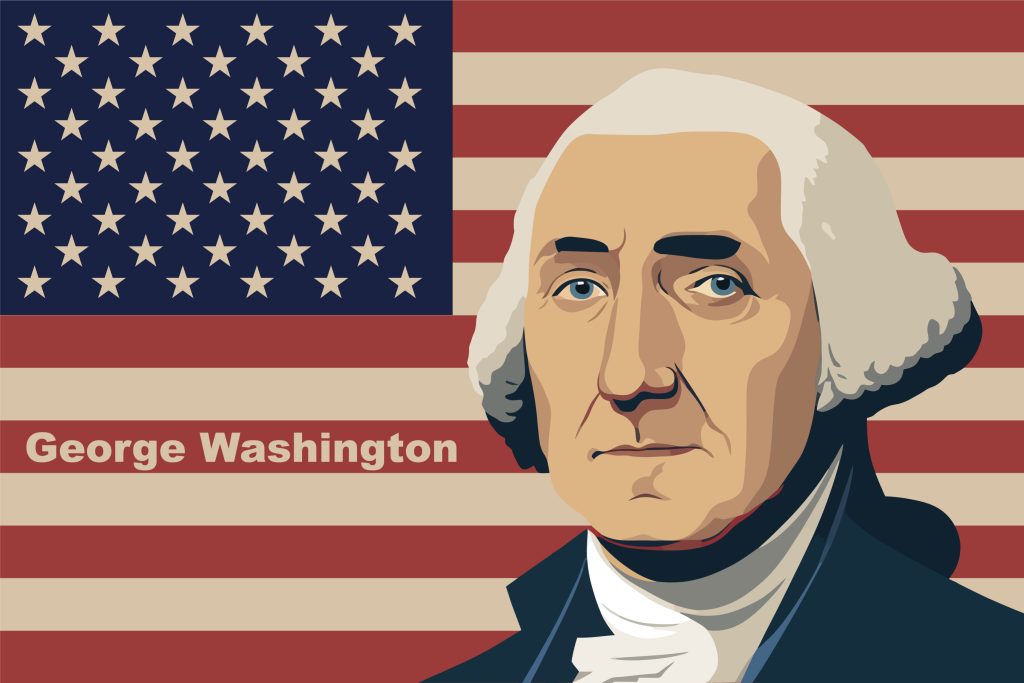
George Washington is often framed as a distinctly American figure—the first President of the United States, commander of the Continental Army, and a central architect of American independence. Yet limiting Washington’s legacy to U.S. borders overlooks his broader historical and intellectual significance. His leadership principles, governance philosophies, and approach to constitutional authority have influenced political systems, legal frameworks, and educational thought far beyond the United States.
For historians, educators, international law experts, and political scientists, translating American founding history is not merely a linguistic task—it is an interpretive exercise that contextualizes democratic ideals across cultures. George Washington’s legacy, when accurately translated and thoughtfully explained, serves as a global reference point for discussions on constitutionalism, civilian control of the military, peaceful transitions of power, and republican governance.
This article explores why George Washington’s legacy has global relevance, the challenges of translating founding-era concepts across languages and legal traditions, and how accurate historical translation supports comparative political analysis and international education.
Washington in the World of Technology: How His Principles Inform Leadership in the Digital Age
In the 21st century, where technology and innovation often drive global change, George Washington’s leadership offers unexpected yet profound lessons for today’s tech industry. His belief in humility, integrity, and placing the collective good above personal gain speaks to the way modern tech leaders can foster ethical innovation. As tech giants like Google, Apple, and Amazon continue to influence global economies, the spirit of Washington’s leadership could guide them towards more responsible and democratic practices in the digital realm.
George Washington as a Global Historical Figure
Beyond the “Father of the Nation” Narrative
In American historiography, Washington is revered as the “Father of His Country.” Internationally, however, he is often studied alongside other transformative leaders such as Simón Bolívar, Mahatma Gandhi, and Nelson Mandela. What sets Washington apart is not only his role in achieving independence, but his restraint in exercising power once it was achieved.
Washington’s voluntary resignation as commander-in-chief in 1783 and later his decision not to seek a third presidential term established precedents that shaped modern democratic governance. These actions resonated deeply in Europe and Latin America, where monarchies and revolutionary movements closely observed the American experiment.
For political scientists, Washington represents an early model of executive leadership constrained by constitutional norms—a concept that continues to influence democratic theory worldwide.
The Importance of Translating Founding-Era Texts
Translation as Interpretation, Not Just Conversion
Translating American founding history—particularly documents associated with Washington—requires more than literal word-for-word accuracy. Letters, military orders, presidential addresses, and contemporaneous accounts are embedded in 18th-century political philosophy, legal terminology, and cultural context.
Key challenges include:
- Archaic language and idiomatic expressions
- Enlightenment-era political concepts without direct equivalents in other languages
- Legal and constitutional terminology specific to Anglo-American traditions
For international law experts, mistranslation of terms such as sovereignty, federalism, or executive authority can lead to flawed comparative analysis. Accurate translation ensures that Washington’s ideas are understood within their proper historical and ideological frameworks.
George Washington and the Development of Constitutional Governance
A Model for Civil-Military Relations
One of Washington’s most globally influential contributions lies in his approach to civil-military relations. By subordinating military authority to civilian government, he set a precedent that remains foundational in democratic systems.
This principle has been cited in:
- Post-colonial constitutional frameworks
- International military law discussions
- Democratic transition studies in Latin America, Africa, and Eastern Europe
For educators and historians teaching comparative governance, translated writings and accounts of Washington’s leadership provide essential primary-source material that demonstrates how theory was applied in practice.
Global Reception of Washington’s Legacy
Europe: Enlightenment Ideals in Action
European intellectuals of the late 18th and early 19th centuries viewed Washington as a living embodiment of Enlightenment philosophy. His leadership was discussed in France, Germany, and Britain as evidence that republican governance could function without descending into chaos.
Translated biographies and political commentaries circulated widely, influencing debates on constitutional monarchy, republicanism, and individual rights.
Latin America: Inspiration for Independence Movements
Leaders of Latin American independence movements studied the American Revolution closely. Washington’s example influenced constitutional drafting and leadership norms in newly independent states.
Accurate translation of American founding texts has been critical for historians examining:
- Cross-Atlantic revolutionary ideology
- The transmission of republican values
- Comparative constitutional development
Educational Value of Translating Washington’s Legacy
Teaching History Across Cultures
For educators, translated historical content allows students worldwide to engage directly with primary sources rather than filtered summaries. Reading Washington’s Farewell Address or correspondence in one’s native language fosters deeper understanding of early American political thought.
Effective translations help:
- Avoid oversimplification of complex ideas
- Preserve nuance in political and ethical reasoning
- Support interdisciplinary study across history, law, and political science
This is particularly valuable in international academic programs and comparative studies curricula.
Legal and Diplomatic Relevance in Modern Contexts
Founding Principles in International Law Discussions
Although Washington lived before the formal development of modern international law, his views on neutrality, treaties, and sovereignty continue to be cited in legal scholarship.
For international law experts:
- Washington’s Neutrality Proclamation is often analyzed in discussions of non-intervention
- His treaty policies provide early examples of executive-legislative balance in foreign affairs
Accurate translation of these texts is essential for legal scholars examining the historical roots of international legal norms.
Challenges in Preserving Historical Accuracy
Avoiding Cultural and Political Bias
One of the greatest risks in translating historical material is the imposition of modern values or political interpretations onto historical figures. Washington’s legacy must be presented within the realities of his time, including contradictions and limitations.
Professional historical translation emphasizes:
- Contextual annotations
- Faithful representation of original intent
- Clear differentiation between historical fact and modern interpretation
This approach ensures credibility for academic and professional audiences alike.
The Role of Professional Translation in Historical Scholarship
Why Accuracy Matters
For historians and political scientists, translated texts often form the basis of research, teaching, and publication. Errors or oversimplifications can distort scholarly conclusions and undermine comparative analysis.
Professional translation of American founding history:
- Supports rigorous academic research
- Enables cross-cultural dialogue
- Preserves the integrity of historical narratives
George Washington’s legacy, when accurately translated, becomes a shared global resource rather than a nationally confined story.
Conclusion: A Legacy That Transcends Borders
George Washington’s legacy extends far beyond the United States. His leadership principles, constitutional restraint, and commitment to republican governance have influenced political systems, legal frameworks, and educational thought worldwide.
Translating American founding history is not merely about preserving the past—it is about making foundational ideas accessible to global audiences. For historians, educators, international law experts, and political scientists, accurate translation enables deeper understanding, meaningful comparison, and informed dialogue.
By approaching Washington’s legacy with linguistic precision and historical sensitivity, scholars ensure that the lessons of the American founding continue to inform global discussions on democracy, governance, and the rule of law—just as they have for more than two centuries.